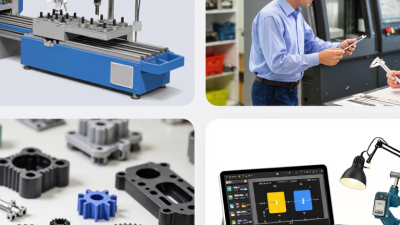
What Is Product Molding and What Types Are There?
Product molding is a manufacturing approach that shapes materials into useful, repeatable forms. Heat, pressure, or both help move material into a mold, where it cools or cures. The result might be a small plastic cap, a flexible silicone seal, or a sturdy housing with ribs and mounting points. Those details matter. A thin wall may cool quickly, while a thick corner can shrink or hold stress.
The phrase covers several processes, not one universal method. Injection molding pushes molten material into a closed mold and suits detailed, high-volume parts. Compression molding presses material into a heated cavity, often for thermoset components. Blow molding forms hollow products such as bottles, while rotational molding can produce larger, hollow shapes with relatively even walls. Each method brings different limits in tooling cost, material choice, finish, and production speed. Some categories overlap in everyday use, so terminology can be less tidy than a chart suggests.
Choosing a process starts with the part’s job. Consider its load, temperature exposure, surface requirements, and expected production volume. A prototype may reveal problems a drawing misses, such as a difficult-to-release edge or uneven wall thickness. No process is automatically best. Cost estimates also depend on mold complexity, material, and part design, so early figures should be treated as provisional. A careful comparison makes product molding easier to understand—and easier to specify without overlooking the small details.

What Product Molding Means
Product molding is the process of shaping a material inside a designed cavity. The material enters or is placed in a mold, takes its form, then hardens or cools before removal. The mold defines the product’s geometry, while process settings affect details such as surface finish, wall thickness, and dimensional consistency. In injection molding, for example, molten plastic flows through a small gate into a closed steel mold. Cooling follows. The part is then ejected, sometimes with visible marks where the gate or ejector pins touched it.
Molding can shape plastics, rubber, metals, and other materials; the method depends on the material and product. Compression molding presses heated material into a cavity, while injection molding fills one under pressure. PlasticsEurope’s Plastics – the Fast Facts 2023 report estimated global plastics production at 400.3 million tonnes in 2022. That figure is not a molding total, but it gives context for the material supply behind many molded goods. In practice, the definition can feel neat, while production is less so. A slight temperature shift may change how a part fills or shrinks. Mold design, material choice, and testing all matter. The first sample may look right and still fail a fit check.
How the Product Molding Process Works
Product molding turns a planned shape into a repeatable part using a formed cavity. The process starts with a product design and a mold designed around its dimensions, material, and intended use. Engineers consider wall thickness, draft angles, and where material will enter and leave the cavity. These details affect filling, cooling, and removal. Small details matter.
In injection molding, for example, prepared plastic is heated until it flows, then pushed into a closed mold under pressure. The material fills the cavity and cools until it holds its shape. The mold opens, and ejector pins release the part. Other methods use different steps: compression molding presses material in a heated cavity, while blow molding expands softened plastic inside a mold.
A production run usually begins with trial parts. Technicians check dimensions, surface marks, and whether the part releases cleanly. If a corner is short-filled or a surface sinks, the team may adjust temperature, pressure, cooling time, or the mold itself. Not every change helps. That part can be frustrating, and a setting that works for one material may fail with another. Once the process is stable, parts are produced in cycles and inspected at planned intervals.
Materials Commonly Used in Product Molding
Thermoplastics are common in product molding because they soften when heated and harden as they cool. Polypropylene suits lightweight containers and housings, while ABS offers a useful balance of impact resistance and surface finish. Polycarbonate is chosen when parts need clarity or greater toughness. Nylon works well for clips and moving components, though it can absorb moisture before processing. Small details matter. A resin’s flow, shrinkage, and drying needs can affect how closely a molded part matches its design.
Thermosetting materials, such as epoxy and phenolic compounds, cure into shapes that do not melt again with heat. They are used where heat resistance or electrical insulation matters. Silicone rubber is another option, valued for flexibility and its ability to hold a seal. Each material brings trade-offs. A stiffer plastic may crack under impact, while a flexible one may distort under load. There is no perfect resin. In practice, choosing well means weighing the part’s purpose, working conditions, finish, and production process together. Material data sheets help, but small test runs can reveal problems that specifications alone may miss.
Major Types of Product Molding
Product molding turns raw material into repeatable parts using heat, pressure, or both. The main method depends on the part’s shape, material, production volume, and acceptable cost. A small design decision can change the process.
Injection molding pushes molten plastic into a closed metal mold, making detailed parts such as clips, housings, and caps. It suits high-volume production, though the mold can be expensive.
Blow molding inflates a heated tube inside a mold to form hollow items, such as bottles and tanks.
Compression molding presses softened material into a heated cavity. It is often used for larger, strong components, but fine details may be harder to achieve.
Extrusion molding forces material through a shaped opening, producing continuous forms such as pipes and profiles.
Thermoforming heats a plastic sheet, then draws it over a mold; trays and interior panels are common examples.
Rotational molding slowly turns a heated mold, coating its interior to create hollow, often large parts. Walls can vary in thickness.
According to PlasticsEurope’s Plastics – the Fast Facts 2024, global plastics production reached 413.8 million tonnes in 2023. That figure describes material production, not molding output, but it shows the scale of plastic use. Choosing a process is rarely automatic; teams may need prototypes to reveal trade-offs in strength, finish, and cycle time.
How Molding Methods Differ in Their Uses
The process matters when shape, production volume, and material requirements meet. Injection molding suits high-volume parts with detailed features, such as electrical housings or appliance clips. A steel mold costs more upfront, but repeated cycles can lower the cost per part. Grand View Research estimated the global injection-molded plastics market at about $284.4 billion in 2023. That figure signals the process’s scale, not that it fits every product.
Blow molding forms hollow items, including bottles and tanks, by expanding hot plastic inside a mold. Compression molding presses heated material into shape, making it useful for thermosets and reinforced components. Rotational molding can produce large hollow objects with relatively simple tooling, though its cycle times are usually longer. Thermoforming heats plastic sheet and draws it over a mold; it works well for trays, panels, and other broad, thin parts. The trade-off is real.
PlasticsEurope’s 2023 Fast Facts report puts global plastics production at 400.3 million tonnes in 2022. This broad figure is not a measure of molding demand, but it shows the scale of material flowing into many applications. In practice, wall thickness, tolerances, finish, and order size guide process choice. A neat rule can still mislead: a small design change may make another method more economical.