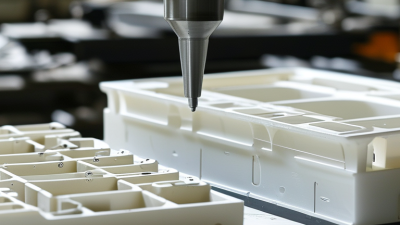
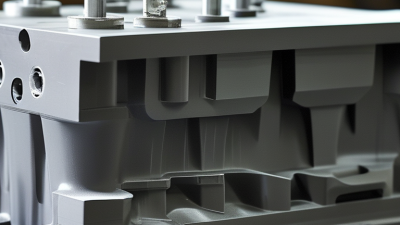
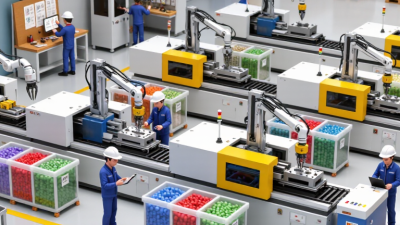
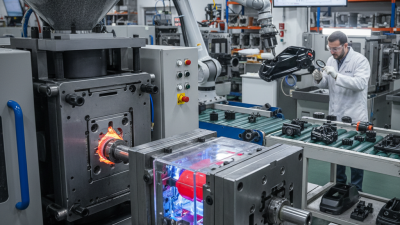
China has become a major sourcing destination for thermoplastic injection molding, supported by skilled engineers, modern equipment, and integrated supply chains. This guide introduces ten notable Chinese manufacturers serving automotive, medical, electronics, packaging, and consumer product industries.
The selection considers practical manufacturing evidence, including mold design, material control, machine capacity, production consistency, and inspection systems. It also reviews engineering support, prototype development, surface finishing, automation, and export experience. These factors matter when a plastic component must fit precisely, survive repeated use, or meet strict industry expectations.
Look beyond impressive factory photos.
A reliable supplier should explain tolerances, resin grades, cycle times, and expected tooling life clearly. Certifications can support credibility, but they never replace factory audits, sample testing, and direct technical communication. Ask for measurable quality records. Request production samples.
Each manufacturer has different strengths. One may excel at high-volume automotive parts, while another may provide better support for complex medical housings or small electronic components. Cost alone can hide risks, including unstable dimensions, delayed tooling, weak documentation, or poor after-sales communication.
This overview aims to provide a practical starting point for international buyers. It does not claim that one supplier fits every project. Manufacturing conditions change, and published information may require independent verification. That limitation deserves attention.
By comparing capabilities, materials, quality practices, lead times, and customer support, buyers can narrow their choices with greater confidence. The best partnership usually begins with a detailed drawing, realistic expectations, and honest discussion about design limitations.
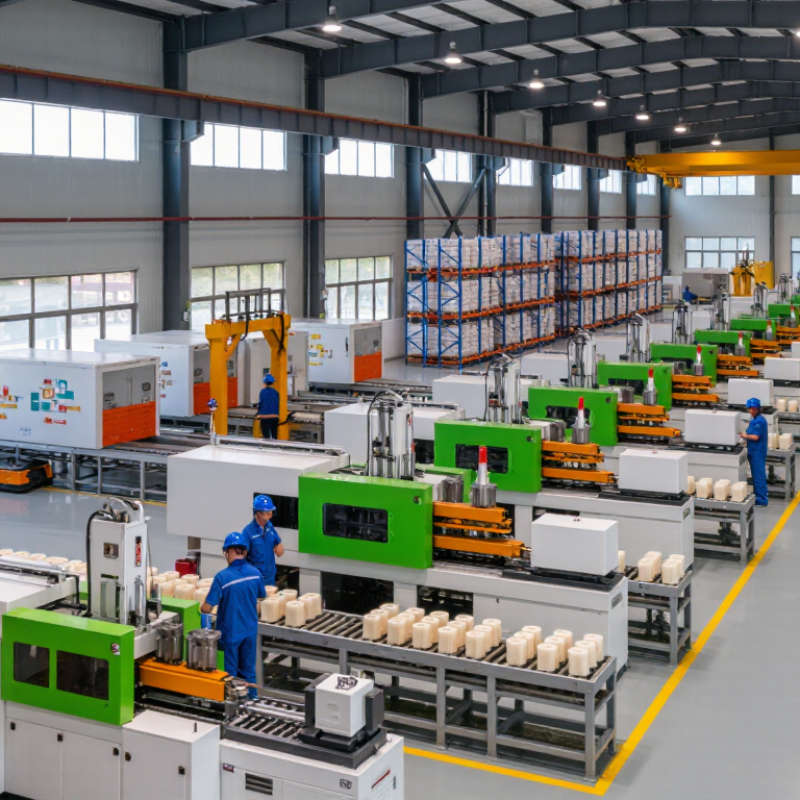
Thermoplastic injection molding is a repeatable process for producing plastic parts with heat, pressure, and a shaped mold. Plastic pellets enter a heated barrel and become a controlled melt. A screw then pushes the melt into a closed cavity. After cooling, the mold opens and ejects the finished component.
The details matter. Operators adjust melt temperature, injection speed, holding pressure, and cooling time. A small error can create sink marks, flash, warping, or short shots. Moisture-sensitive materials may need pre-drying. Mold channels also require balanced cooling, not simply colder water. Practical experience shows that stable process windows often matter more than maximum machine speed.
Industry demand remains substantial. PlasticsEurope reported global plastics production of approximately 413.8 million tonnes in 2023, showing the scale of polymer manufacturing. Grand View Research has also projected steady growth for the global injection molding machine market through 2030, supported by automotive, medical, electronics, and packaging applications. These figures describe market activity, not guaranteed factory performance. That distinction is important.
A reliable manufacturer should document material traceability, mold maintenance, dimensional inspection, and process validation. ISO-based quality systems can support consistency, but paperwork alone cannot correct poor venting or uneven cooling. Thermoplastic molding is efficient, yet not effortless. Some designs still need redesign.
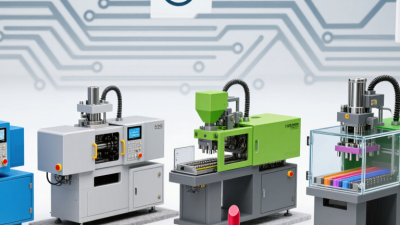
Selecting China’s top thermoplastic injection molding manufacturers requires more than scanning online rankings. We examine production experience, engineering depth, and documented project results. A capable manufacturer should explain mold design, resin behavior, cooling layouts, and expected tolerances clearly. Practical knowledge matters here. Factory visits can reveal details that brochures often hide, such as organized workstations, clean material storage, and calibrated inspection tools.
Our assessment includes equipment range, process control, and quality records. We review machine tonnage, automation levels, mold maintenance routines, and sampling procedures. Inspectors should measure parts with gauges or coordinate measuring machines, not rely only on visual checks. We also verify material certificates, batch traceability, and corrective-action reports. Reliable suppliers usually provide clear answers about lead times, rejection rates, packaging, and after-sales support. Small details matter.
No ranking is flawless. Online information may be incomplete, and factory conditions can change after an audit. Therefore, we compare several evidence sources, including customer references, sample parts, technical drawings, and production observations. We pay attention to how teams handle difficult questions. Honest limitations can be more credible than perfect promises. A manufacturer may have excellent molding skills but weak communication or inconsistent documentation. That weakness should remain visible in the selection process, rather than being softened for a higher position.
How China’s Top Manufacturers Are Selected
The ranking framework evaluates manufacturers using six practical procurement criteria. The weighted score emphasizes quality consistency, technical capability, tooling expertise, delivery performance, compliance, and international customer support. The values represent the percentage contribution of each criterion to the overall selection assessment and do not represent any individual company’s results.
China Top 10 Thermoplastic Injection Molding Manufacturers
Leading Chinese molding companies compete through process control, not scale alone. Grand View Research estimates that the global injection molding machine market will expand steadily through 2030, driven by packaging, automotive, and medical demand. This growth rewards factories with stable cycle times, automated material handling, and documented quality systems.
Core capabilities begin with engineering. Experienced teams convert part requirements into mold-flow studies, gate designs, cooling layouts, and practical tolerance plans. They commonly process PP, ABS, PC, PA, POM, and reinforced grades. Many facilities combine high-speed presses with robotic removal, vision inspection, and real-time production records. The Plastics Industry Association has repeatedly linked higher recycling demand with improved material traceability and process discipline. That connection matters.
Details decide outcomes. A capable supplier checks resin moisture before molding, measures cavity pressure, and records mold temperature for every batch. ISO 20457 provides useful guidance for plastic molded-part tolerances, although real assemblies may require tighter controls. Automated inspection helps, but it does not replace skilled operators. Not completely.
Market reports often present optimistic growth forecasts. Actual performance can vary with resin volatility, labor training, mold maintenance, and customer design changes. Buyers should therefore audit sample runs, review capability studies, and verify corrective-action records. A polished factory is not always a consistent factory. That distinction deserves attention.
| Profile | Primary Manufacturing Focus | Typical Clamping-Force Range | Thermoplastic Materials Commonly Processed | Typical Part-Size Capability | Core Molding Technologies | Typical Mold Lead Time | Quality and Engineering Capabilities | Common Served Industries |
|---|---|---|---|---|---|---|---|---|
| Manufacturer Profile 01 | High-volume precision injection molding | 80–450 tons | PPABSPC/ABSPA | Small to medium parts; approximately 1–1,500 g shot-weight range | Multi-cavity molds, hot runners, automated part handling | 25–45 calendar days for standard production molds | 3D mold design, DFM review, dimensional inspection, process validation | Consumer electronics, appliances, electrical components |
| Manufacturer Profile 02 | Automotive and transportation components | 250–1,600 tons | PP-TDPA-GFPOMPC | Medium to large parts; interior and functional components | Large-part molding, gas-assisted molding, insert molding | 35–70 calendar days depending on mold size and validation scope | Dimensional reports, mold-flow analysis, PPAP-support documentation | Automotive, mobility equipment, industrial transportation |
| Manufacturer Profile 03 | Medical and laboratory plastic products | 50–350 tons | PPPEPCPOM | Small and medium precision parts with controlled cosmetic requirements | Clean-room-compatible molding, micro molding, insert molding | 30–60 calendar days, excluding regulatory or validation activities | Traceability procedures, controlled production documentation, inspection records | Medical devices, diagnostics, laboratory equipment |
| Manufacturer Profile 04 | Consumer electronics housings and precision components | 60–500 tons | ABSPCPC/ABSTPE | Thin-wall and appearance-critical parts from compact to medium size | Thin-wall molding, texture replication, two-shot molding | 20–45 calendar days for commonly used mold structures | Color matching, surface inspection, tolerance analysis, prototype trials | Consumer electronics, telecommunications, smart devices |
| Manufacturer Profile 05 | Industrial and electrical equipment components | 120–900 tons | PA-GFPBTPCPPO | Medium-size technical parts requiring mechanical and thermal performance | Insert molding, overmolding, reinforced-material processing | 30–60 calendar days | Material certification review, CMM inspection, functional testing support | Electrical systems, automation, power equipment, industrial controls |
| Manufacturer Profile 06 | Large structural and appliance parts | 450–3,000 tons | PPABSHIPSPC/ABS | Large housings, panels, bins, covers and structural assemblies | Large-format molding, multi-slide tooling, hot-runner systems | 45–90 calendar days for large or complex molds | Warpage analysis, mold-flow simulation, assembly-fit evaluation | Home appliances, commercial equipment, HVAC products |
| Manufacturer Profile 07 | Precision gears, connectors and micro components | 20–250 tons | POMLCPPAPBT | Micro to small parts with tight dimensional and repeatability requirements | Micro injection molding, high-cavity tooling, precision insert molding | 30–70 calendar days | Optical measurement, CMM inspection, cavity balancing, capability studies | Connectors, precision mechanisms, sensors, electronics |
| Manufacturer Profile 08 | Overmolded assemblies and soft-touch products | 60–650 tons | TPETPUABSPP | Small to medium multi-material parts and ergonomic assemblies | Two-shot molding, insert overmolding, soft-touch molding | 25–55 calendar days | Bond-strength testing, appearance inspection, assembly validation | Hand tools, consumer products, automotive interiors, medical equipment |
| Manufacturer Profile 09 | Prototype-to-production molding services | 50–1,000 tons | ABSPPPCPA | Prototype, pilot-run and low-to-medium-volume parts | Rapid tooling, soft tooling, bridge production, conventional injection molding | 10–35 calendar days for prototype or low-cavity tooling | Rapid DFM feedback, sample approval, revision control, small-batch inspection | Product development, robotics, start-ups, industrial design |
| Manufacturer Profile 10 | Export-oriented contract manufacturing | 100–1,200 tons | PPABSPC/ABSPA-GF | Small to large parts with integrated molding and assembly options | Injection molding, secondary assembly, pad printing, ultrasonic welding | 30–75 calendar days depending on tooling complexity | Incoming, in-process and final inspection; export packaging and documentation | Automotive, appliances, electronics, industrial and consumer goods |
Note: This anonymized comparison uses typical capability ranges publicly associated with Chinese thermoplastic injection-molding operations. Actual machine capacity, material approval, tolerances, certifications, lead times and production volumes should be confirmed directly with each supplier during technical quotation and supplier qualification.
China’s top ten thermoplastic injection molding manufacturers differ in equipment, materials, and production focus. Some specialize in tight-tolerance automotive housings, while others produce medical parts, electronic covers, or household components. Their workshops commonly use servo-driven molding machines, automated mold handling, and in-process inspection. Several manufacturers support engineering reviews before tooling begins. This can reduce sink marks, flash, and uneven wall thickness.
A strong manufacturer should show more than attractive samples. Look for documented quality procedures, material traceability, mold maintenance records, and clear dimensional reports. Experienced teams usually discuss draft angles, cooling channels, shrinkage, and gate locations in practical terms. Their profiles may also reveal export experience and laboratory capabilities. However, no factory is perfect. A polished website cannot replace a production audit, and a promised tolerance may change under real conditions. Ask for recent samples. Inspect the details closely.
Tips: Compare manufacturers by application, not production volume alone. Request a small trial run before approving mass production. Confirm resin grades, inspection standards, packaging methods, and response times in writing. Visit the facility when possible. Observe how operators manage rejected parts and machine adjustments. That quiet process often says more than a sales presentation.
China’s top ten thermoplastic injection molding manufacturers serve diverse industrial needs. Automotive programs require strong housings, clips, ducts, and interior parts. Medical production demands clean facilities, traceability, and stable process control. Consumer electronics often prioritize thin walls, tight tolerances, and attractive surfaces. Packaging projects may focus on cycle speed, lightweight designs, and consistent sealing.
Comparisons should begin with technical capability, not factory size. Check machine range, clamping force, resin experience, and mold maintenance systems. Ask for dimensional reports from comparable projects. Review material certificates, inspection plans, and change-control procedures. Reliable manufacturers explain how they manage warpage, sink marks, flash, and color variation. They should also discuss tooling ownership, repair response, and production capacity during peak demand.
Cost remains important, but the lowest quotation can hide engineering limits. A polished sample can mislead. Request pilot runs before full production. During an audit, observe resin storage, drying equipment, operator checks, and packing methods. Communication quality matters too, especially when drawings change across time zones. No supplier is perfect. Even experienced teams may underestimate mold adjustments or transport risks. A practical comparison should record evidence, not promises, and leave room for corrective action.