Why Choose Thermoplastic Molding for Global Manufacturing? The answer begins with practical scale. Thermoplastic molding produces repeatable parts at high volumes, often with integrated ribs, clips, and threaded features. It also supports rapid material changes, from polypropylene to engineering polymers such as PEEK. That flexibility matters when products cross borders and performance requirements change.
Industry data shows the scale behind this choice. PlasticsEurope reported global plastics production of approximately 400.3 million tonnes in 2022. The OECD’s Global Plastics Outlook also found that only about 9% of plastic waste was recycled globally. These figures reveal both opportunity and responsibility. Thermoplastic molding can reduce assembly steps and material use, but poor design can create difficult-to-recycle parts. The process is efficient. It is not automatically sustainable.
John Beaumont, author of Successful Injection Molding, describes the mold as “the heart of the injection molding process.” His observation remains highly relevant. A well-designed mold controls cooling, cycle time, surface quality, and dimensional consistency. A weak design can multiply defects across thousands of parts. That is where global manufacturers need engineering judgment, not only production speed. They must evaluate tooling cost, resin availability, regional standards, repair access, and end-of-life recovery before production begins.
The decision is rarely perfect. A cheaper resin may increase scrap. A complex mold may shorten assembly but raise maintenance demands. Reliable thermoplastic molding therefore combines data, plant experience, and honest design review. It can deliver scalable manufacturing, but only when performance and environmental consequences are measured together.
Thermoplastics represent approximately 80% of plastics use worldwide, according to widely cited industry estimates. The figure varies by definition, region, and reporting method. It is not exact. Still, the pattern is clear: thermoplastics dominate everyday production.
Their appeal is practical. These materials soften when heated and solidify when cooled, allowing efficient molding cycles. In manufacturing reviews, this behavior supports repeatable parts, automated handling, and scalable output. A molded housing can leave the machine with consistent ribs, clips, and thin walls. That consistency helps teams manage quality across multiple production sites.
Thermoplastic molding also supports global sourcing. Many grades can be shipped as compact pellets, while molds can serve long production runs. Regrind may sometimes return to controlled production, depending on material history and quality requirements. That matters. However, heat resistance, moisture sensitivity, shrinkage, and color stability still require careful testing. A material that performs well in one climate may react differently in another. Process settings are not universal. Engineers should validate drying, temperature, cooling time, and dimensional tolerances at the target facility. Small details matter. The 80% estimate shows market influence, not automatic suitability for every component.
Why choose thermoplastic molding for global manufacturing? The answer often begins with material selection, not machine capacity. Each resin changes part strength, cycle time, cost, and long-term reliability. PE handles moisture and many chemicals well. It suits containers, liners, and flexible closures exposed to rough handling. PP offers low density, strong fatigue resistance, and useful living-hinge performance. It works well for caps, storage boxes, and repeated snap-fit assemblies.
ABS provides a balanced mix of stiffness, impact resistance, and surface quality. It fits housings, panels, and visible components that need a clean finish. However, ABS requires careful control around heat and chemical exposure. Engineering-grade thermoplastics support demanding applications with higher temperature, wear, or dimensional requirements. They may perform better near motors, fluid paths, or loaded structural points. They also cost more, and processing can be less forgiving.
No resin fits everything. A low-cost choice can become expensive after warpage, cracking, or rejected assemblies appear. For global production, engineers should compare supplier data, mold-flow results, regional availability, and recycling requirements. Prototype parts reveal details that spreadsheets miss, such as sink marks near ribs or a stiff snap fit that breaks during assembly. Production trials should confirm drying, molding temperature, shrinkage, and dimensional stability. Experienced teams still revisit assumptions when field conditions differ from laboratory testing. That discipline makes material decisions more reliable, even when the original specification was imperfect.
Thermoplastic molding suits global manufacturing when demand is predictable and volumes are high. Multi-cavity tools divide tooling costs across thousands or millions of identical parts. A 16-cavity mold producing one part every 28 seconds can theoretically deliver over 8.2 million parts annually across two shifts. At 85% availability, practical output falls near 7 million parts. The arithmetic looks clean. Factory reality is not.
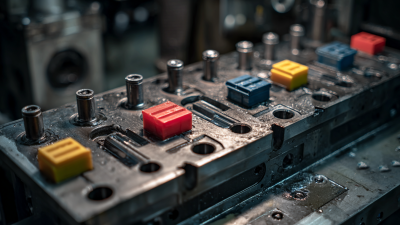
The economics depend on more than cavity count. Balanced runners, uniform cooling, and automatic ejection help protect cycle time and dimensional consistency. A poorly balanced tool may create flash in one cavity and short shots in another. That increases inspection, rework, and maintenance costs.
Grand View Research reported that the global injection-molded plastics market reached approximately USD 387 billion in 2023, with continued growth expected through the decade. Such scale explains why manufacturers invest heavily in durable tooling.
High-volume programs should compare total cost per acceptable part, not only the initial mold quote. The Plastics Industry Association reported that global plastics production exceeded 400 million metric tons in 2023, reinforcing the sector’s enormous production base. Yet resin changes, labor rates, freight, and regional compliance can alter the final calculation. A 32-cavity tool may reduce unit cost, but it also demands stronger process control and more expensive repairs. Sometimes, fewer cavities provide better resilience. That trade-off deserves testing before production approval.
Thermoplastic molding supports global production when process control is measurable and repeatable. ISO 20457 provides a practical framework for evaluating molded-part tolerances. It helps engineers align design expectations with realistic manufacturing conditions. However, the standard does not replace product-specific requirements or functional testing.
Stable cycles begin with controlled material drying, mold temperature, injection pressure, and cooling time. A well-maintained machine can produce consistent parts across multiple shifts. Dimensional checks should include critical features, not only overall length and width. Production teams often use control charts, first-piece inspections, and periodic gauge verification. These records create traceability when quality questions arise.
The target is not perfection. It is predictable variation. Even a strong process can drift after a tool change, material batch shift, or seasonal temperature change. This is where experienced review matters. Small deviations may be acceptable, but unexplained deviations should never be ignored.
Tips: Define critical dimensions before tooling begins. Record actual cycle data, not just machine settings. Check molded parts after cooling, because early measurements can mislead. Review tolerance assumptions with the design and quality teams. One overlooked detail can weaken an otherwise reliable process.
Thermoplastic molding supports global manufacturing when production must expand without losing consistency. ISO 9001 quality systems create a common operating language across plants, suppliers, and inspection teams. Every mold change, material batch, and process adjustment can follow documented controls. That evidence helps engineers trace problems instead of guessing.
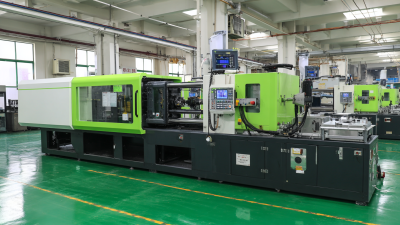
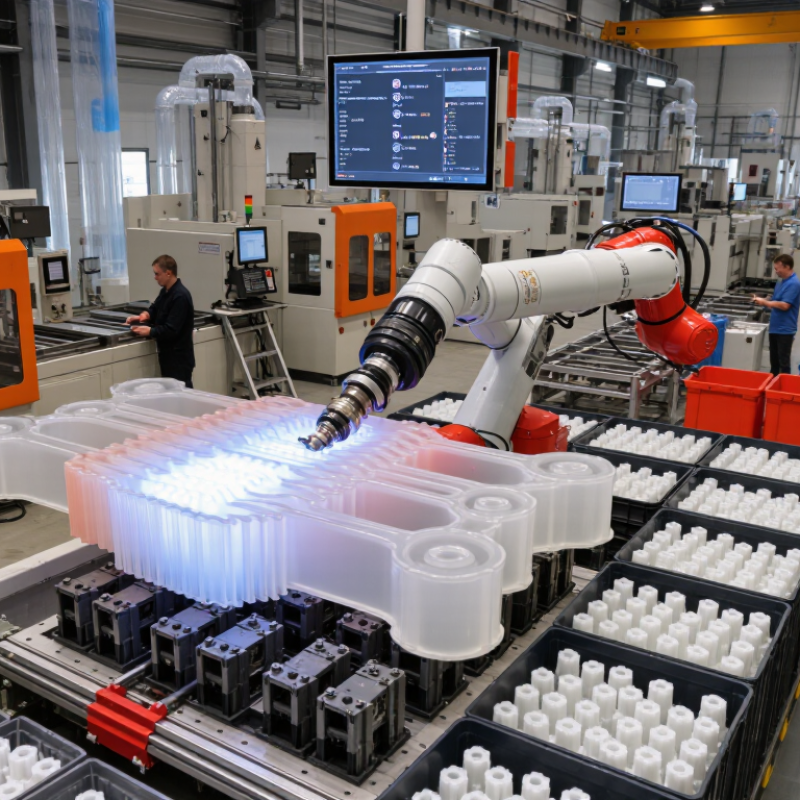
Automated production cells make this discipline visible on the factory floor. A cell may combine material drying, molding, part removal, vision inspection, and sealed packaging. Sensors monitor cycle time, temperature, pressure, and rejected parts. Operators review trends before small variations become expensive failures. Standard work instructions also reduce differences between shifts and regions.
Consistency matters most.
Still, no system is flawless. A rushed handoff can weaken even a well-designed process. Machines require calibration, maintenance, and practical human judgment. Some parts need manual review when surface marks, flash, or dimensional drift appear. Teams should test assumptions during pilot runs, not hide inconvenient data. Regular internal audits, operator feedback, and corrective actions keep the quality system useful rather than decorative. This combination helps manufacturers scale thermoplastic molding with clearer records, repeatable output, and controlled adjustments across international production sites.