2026 Best Product Molding Manufacturers for Global Buyers

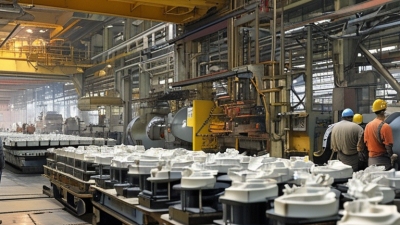
Choosing a reliable molding partner can shape a product’s cost, quality, and launch schedule. In 2026, global buyers face more options, tighter specifications, and greater supply chain pressure. This guide examines leading product molding manufacturers serving international customers. It focuses on evidence rather than impressive claims.

Our evaluation considers tooling expertise, material control, dimensional accuracy, production capacity, and quality systems. We also examine communication, sampling procedures, packaging, and export experience. A capable manufacturer should explain resin grades, mold life, tolerance limits, and inspection methods clearly. Factory audits, technical drawings, sample approvals, and production records provide stronger evidence than online promises. Small details matter. A clean workshop, labeled material bins, and consistent inspection reports can reveal operational discipline.

Cost remains important, but the lowest quotation may create expensive problems later. Delayed samples, inconsistent color, flash, warping, or unclear ownership of tooling can weaken an otherwise promising project. We therefore consider practical risk, not only advertised capability. Still, no supplier is perfect. Production conditions change, and even experienced teams can miss an assumption in a drawing or forecast. Buyers should verify current certifications, lead times, capacity, and contract terms before placing orders.

The manufacturers discussed here may suit different needs, from prototype development to high-volume production. Their strengths should be matched with your product’s materials, tolerances, market, and expected demand. Independent validation remains essential. Use this overview as a decision-making starting point, not a final verdict. That distinction matters.
2026 Best Product Molding Manufacturers for Global Buyers

Definition and Scope of Product Molding Manufacturers

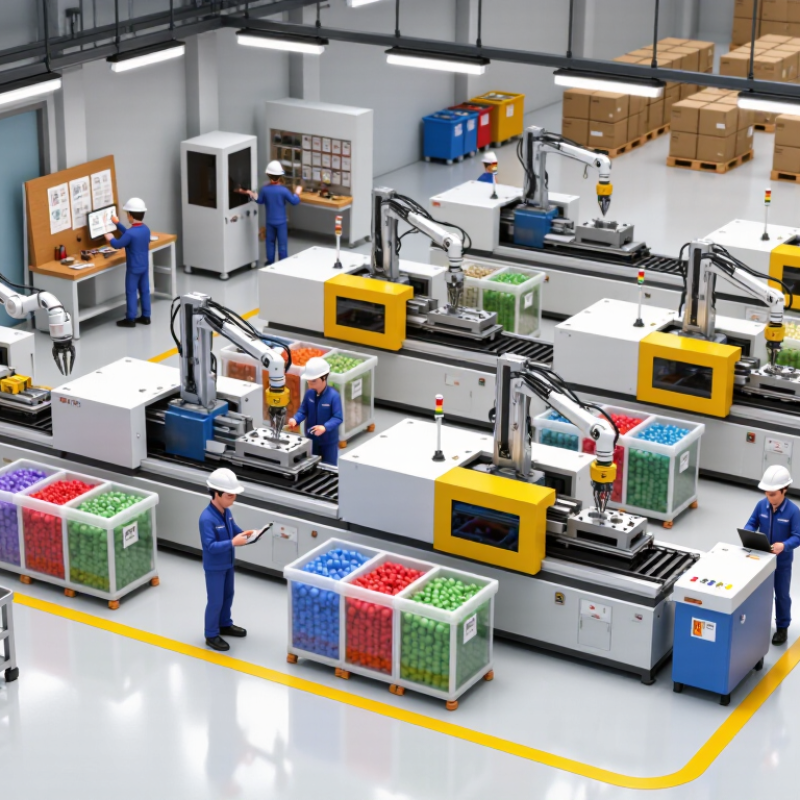
Product molding manufacturers create molded parts by shaping materials inside engineered tools. Their scope extends beyond mold fabrication. It can include product design support, material selection, prototyping, production molding, finishing, inspection, and packaging.

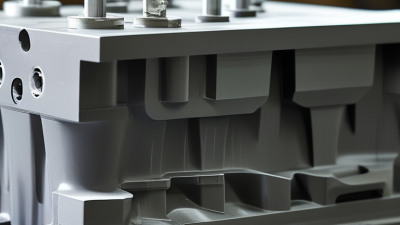
Common processes include injection molding, compression molding, blow molding, rotational molding, and silicone molding. Each method suits different volumes, geometries, tolerances, and material requirements. A reliable manufacturer studies wall thickness, draft angles, shrinkage, and expected service conditions before quoting. Small details matter. A sharp internal corner may increase stress and complicate mold release. Experienced engineers often identify these risks during design reviews, not after production begins.

For global buyers, supplier evaluation should cover capabilities and evidence. Request process records, dimensional inspection reports, material certificates, sample approval procedures, and maintenance schedules. Factory visits can reveal practical details, such as clean storage, labeled resin containers, calibrated gauges, and organized tool rooms. Communication also belongs within the scope. Clear drawings, change-control procedures, shipment terms, and response times reduce avoidable disputes across borders.

No manufacturer is perfect. Even a capable team may underestimate tooling time or overlook a difficult tolerance. That deserves honest review. Buyers should compare trial results, corrective-action reports, production capacity, and contingency plans rather than relying on attractive pricing alone. The best definition of a product molding manufacturer is therefore broad: it is a technical production partner responsible for turning a validated design into consistent, usable parts.

Key Molding Technologies and Manufacturing Capabilities

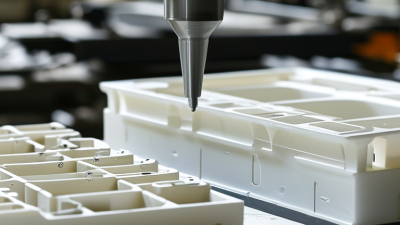
Selecting a product molding manufacturer in 2026 requires more than comparing unit prices. Buyers should examine the technologies behind each production stage. Injection molding suits detailed parts, tight dimensions, and high-volume orders. Compression molding handles thermoset materials and demanding heat resistance. Blow molding supports hollow containers, while insert molding combines metal and plastic components in one cycle.

Reliable manufacturers maintain mold design, machining, sampling, and mass production under controlled procedures. Look for CNC machining, electrical discharge machining, automated material drying, and real-time process monitoring. These capabilities reduce flash, warping, short shots, and inconsistent wall thickness. A skilled team should also explain resin selection, shrinkage allowances, cooling layouts, and expected tool life in practical terms.

Quality evidence matters.

Ask for dimensional inspection reports, material certificates, process validation records, and traceability from batch to shipment. Experienced suppliers often use coordinate measuring machines and statistical process control for critical features. They should understand packaging, labeling, and documentation needs across export markets.

However, no molding process is flawless. Minor design changes can affect cycle time, surface finish, or assembly fit. I have seen projects delayed because a venting issue was ignored during sampling. Early mold-flow analysis helps, but physical trials still reveal surprises.

A transparent manufacturer reports these findings instead of hiding them. Clear communication remains a production capability, not merely a service feature.

How to Evaluate Manufacturers for Global Sourcing

A reliable molding manufacturer is judged beyond sample quality. Global buyers should examine process control, tooling expertise, communication, and delivery evidence. A polished factory tour is not enough.

The ISO Survey 2023 recorded more than 1.2 million ISO 9001 certificates worldwide.

Certification helps, but it cannot replace production records. Ask for capability studies, defect rates, mold maintenance logs, and corrective-action reports. Request a pilot run with your actual resin, tolerances, and surface requirements. Inspect molded parts under consistent lighting. Small changes can reveal unstable temperature control.

Supply continuity deserves equal attention.

UNCTAD’s Review of Maritime Transport 2024 states that ships carry over 80% of global merchandise trade by volume. Delays can therefore affect both components and finished goods. Evaluate the manufacturer’s backup suppliers, packaging design, export experience, and realistic lead-time assumptions. The World Bank’s Logistics Performance Index 2023 emphasizes reliability, tracking, and shipment timeliness. Ask for recent shipment records, not optimistic promises.

Cost comparisons often mislead.

A lower mold quotation may hide engineering changes, maintenance, or higher scrap. Use a total-cost sheet covering tooling, sampling, inspection, freight, duties, and revisions. I have seen buyers overvalue factory size and undervalue response speed. That judgment can fail. No scorecard is perfect; review it after each trial order.

Quality Standards, Certifications, and Production Reliability

Global buyers should assess product molding manufacturers through documented quality systems, not attractive samples alone. An ISO 9001-certified facility usually demonstrates controlled procedures, corrective actions, and internal audits. However, certification does not guarantee every molded part will be consistent. Ask for recent audit findings and closure records.

Reliable production begins with measurable process control. Skilled manufacturers monitor injection pressure, melt temperature, cooling time, and cycle variation. They may use Cpk studies to confirm critical dimensions remain stable. A digital traceability system should connect each batch to resin lot, machine, operator, and inspection results. This detail matters when a shipment reaches several countries.

Certifications must match the intended industry. Automotive programs may require IATF 16949, while medical molding demands stricter validation and documentation. Confirm certificate scope, issuing body, and expiration date. Request first-article reports, material certificates, and gauge calibration records. Inspect the mold room, too. Preventive maintenance logs reveal more than polished presentations. A reliable supplier schedules cleaning, lubrication, and spare-part replacement before failures occur.

Production reliability is also tested during pressure. Ask how the manufacturer handles sudden volume increases, rejected lots, and engineering changes. Clear response times are essential. No factory is perfect. I have seen capable teams lose control after changing resin suppliers without repeating validation. That mistake is avoidable. A practical supplier shares problems early, explains root causes, and provides evidence that corrective actions actually work.

2026 Best Product Molding Manufacturers for Global Buyers - Quality Standards, Certifications, and Production Reliability

Evaluation Dimension Recognized Standard or Requirement Reliable Manufacturing Evidence Recommended Buyer Priority Why It Matters for Global Buyers
Quality management system ISO 9001:2015 Valid certificate issued by an accredited certification body; controlled procedures for inspection, nonconformity handling, corrective action, and internal audits. Essential Provides a common framework for consistent processes and documented quality control across international supply chains.
Mold and tooling control Documented tool design, approval, maintenance, and revision procedures Tool drawings, steel or material specifications, preventive-maintenance records, cavity identification, spare-part planning, and mold-life monitoring. Essential Controlled tooling reduces dimensional drift, unexpected downtime, flash, short shots, and repeat-production risks.
Dimensional verification Calibrated measurement equipment; GD&T and drawing-based inspection Coordinate-measuring machine reports, gauge calibration records traceable to recognized national or international standards, first-article inspection, and sampling plans. Essential Verifies that molded parts meet critical dimensions, tolerances, fit, and functional requirements before shipment.
Process capability Statistical process control using Cp/Cpk or Pp/Ppk where applicable Control charts for critical dimensions, documented sampling frequency, reaction plans, and capability studies based on actual production data. High Shows whether the process can repeatedly meet specifications rather than passing only a limited inspection sample.
Automotive production readiness IATF 16949:2016; APQP, PPAP, FMEA, MSA, and SPC practices Customer-specific requirements review, process FMEA, control plan, production-part approval documentation, and change-management records. Application-specific Important for safety-critical, high-volume, and tightly controlled automotive molded components.
Medical-device production controls ISO 13485:2016; applicable regulatory and validation requirements Validated processes where required, clean manufacturing controls, batch records, traceability, complaint handling, and documented risk management. Application-specific Supports controlled production for medical components, where product safety and regulatory documentation are critical.
Material compliance EU RoHS Directive 2011/65/EU; REACH Regulation (EC) No. 1907/2006, when applicable Supplier declarations, material certificates, controlled bills of materials, and laboratory test reports for restricted substances. Essential Helps buyers meet chemical and substance restrictions in target markets and reduces customs or compliance risk.
Food-contact suitability Applicable food-contact rules, such as FDA 21 CFR requirements or EU Regulation (EC) No. 1935/2004 Food-contact declarations, resin grade documentation, migration testing where required, hygienic handling, and production segregation controls. Application-specific Necessary when molded products contact food, beverages, or related packaging materials.
Production traceability Lot, batch, machine, operator, material, and inspection-record traceability Unique lot numbers, resin batch records, production dates, cavity or machine records, retained samples, and shipment linkage. Essential Allows rapid containment, root-cause analysis, targeted recalls, and reliable replenishment planning.
Capacity and delivery reliability Documented capacity planning and on-time delivery measurement Machine list, cycle-time calculations, mold-cavity capacity, preventive-maintenance schedule, production-loading plan, and historical on-time delivery data. Essential Confirms that the supplier can support forecasted volumes and maintain delivery performance during peak demand.
Environmental management ISO 14001:2015 Environmental objectives, waste-management controls, energy monitoring, legal-compliance evaluation, and improvement records. Preferred Supports responsible sourcing and may help buyers meet corporate sustainability and supplier-governance requirements.
Occupational health and safety ISO 45001:2018 Risk assessments, employee training, incident reporting, emergency procedures, and workplace-safety audits. Preferred Indicates a structured approach to worker safety and operational continuity.
Change and complaint management Formal engineering-change control and corrective-action process Written approval before material, tooling, process, or sub-supplier changes; 8D or equivalent root-cause reports; response-time commitments. Essential Protects form, fit, function, and regulatory status throughout the product life cycle.

Note: Certification and regulatory requirements depend on the product, material, end use, and destination market. Buyers should verify certificate scope, validity, issuing-body accreditation, and product-specific test documentation before approval.

Pricing, Logistics, and Supplier Selection Considerations

For global buyers, product molding prices rarely depend on tooling alone. A reliable quote should separate mold design, steel or aluminum grades, machining, testing, packaging, and revisions. Ask whether maintenance, spare parts, and future cavity changes are included. A low initial price can hide expensive corrections later. I have seen buyers save 10% on tooling, then lose weeks fixing poor tolerances.

Logistics requires equal attention. Confirm production lead time, inspection points, packing standards, shipping terms, and customs responsibilities in writing. Heavy molds need reinforced crates, moisture protection, and clear lifting marks. Request shipment photos before dispatch. Build a small schedule buffer because port delays and document errors still occur. They happen more often than expected. Air freight may protect a launch date, but sea freight usually reduces landed cost. Compare both options using the same delivery assumptions.

Supplier selection should combine technical evidence with practical communication. Review recent samples, dimensional reports, material certificates, process controls, and capacity during peak periods. A video meeting can reveal whether engineers understand your draft angles, cooling channels, and tolerance risks. Verify response times before signing. Do not choose from a polished quotation alone. My own judgment can be wrong when samples are too limited, so a pilot order and independent inspection are sensible. Clear change-control rules also prevent disagreements when specifications evolve. Reliable cooperation matters as much as machine capacity.

2026 Best Product Molding Manufacturers for Global Buyers

This buyer evaluation model assigns practical weight to the main factors used when comparing product molding suppliers: total landed cost, quality capability, delivery performance, engineering support, and export logistics. Buyers can adjust the weighting according to product complexity, order volume, and destination market.