Why Are Injection Molding Products Ideal for Buyers?
Injection molding products appeal to buyers because they can combine repeatable dimensions, complex shapes, and efficient production at scale. A supplier can form small clips, electrical housings, or appliance panels with consistent details across large production runs. Grand View Research estimated the global injection-molded plastics market at USD 357.3 billion in 2023, indicating the process’s substantial industrial reach. That scale matters. It does not, by itself, prove that molding suits every purchase.
For buyers, the practical case depends on part geometry, order volume, resin choice, and tooling cost. Once a mold is ready, automated cycles can help reduce labor per unit and keep output consistent. But mold design and tooling require upfront investment, so low-volume projects may need a careful comparison with other processes. There is a trade-off. The OECD’s Global Plastics Outlook reported that worldwide plastics production reached 460 million tonnes in 2019; this figure also underlines why material selection and waste planning deserve attention. Buyers should ask for sample parts, tolerance data, cycle-time estimates, resin specifications, and documented quality checks. These details make supplier claims easier to verify. A polished sample is not enough. Mold maintenance, color variation, and production changes can affect delivered parts, and quotations do not always make those limits clear. The strongest buying decision weighs unit price against tool life, delivery reliability, and inspection evidence. This article explores where injection molding products offer clear value, and where buyers should pause before committing.
What Injection Molding Is and How the Process Works
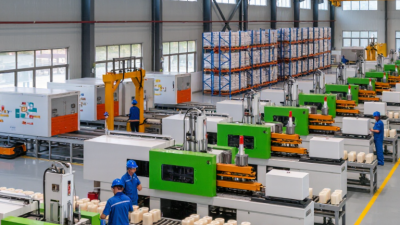
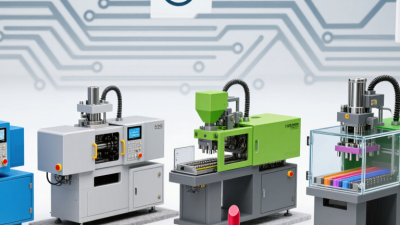
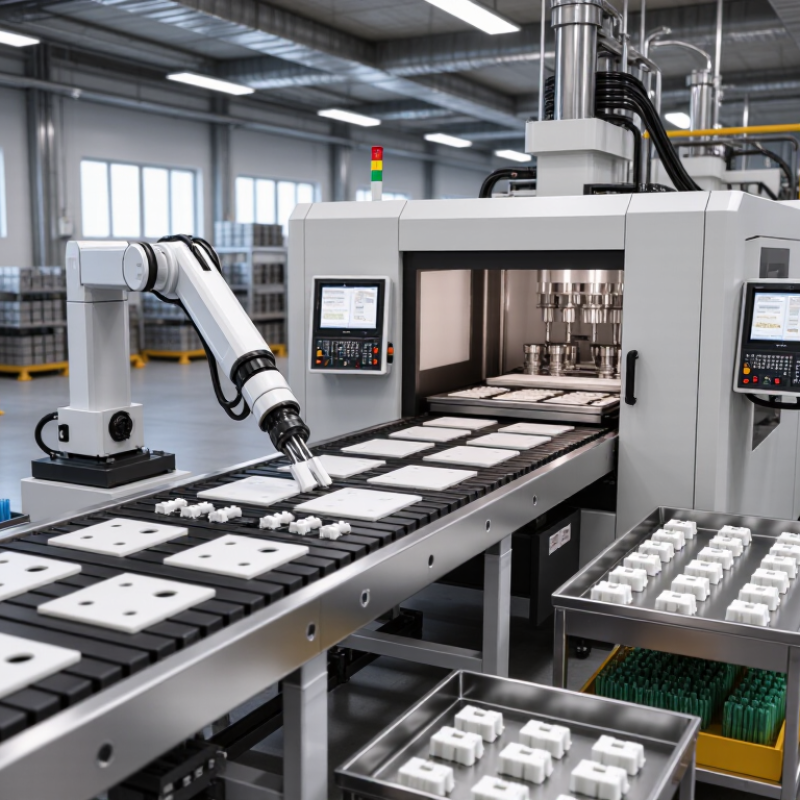
Injection molding is a manufacturing process for making repeated parts from thermoplastic or other moldable materials. Small plastic pellets enter a hopper, then move into a heated barrel. A rotating screw melts and mixes them into a thick, even melt. It is not simply “pouring plastic” into a shape; temperature, pressure, and timing all affect the result.
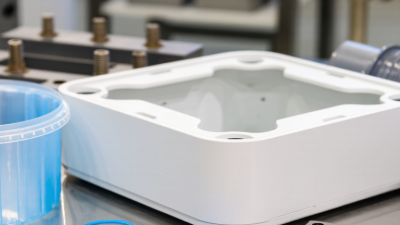
The machine presses two mold halves together. It then injects the melt through a channel into the cavity, where the material takes the mold’s shape. Cooling follows. Once the part is firm enough, the mold opens and ejector pins push it out. The cycle can repeat quickly, though setup and mold production may take significant time. A sharp corner or thin wall can cause defects, so designers often refine part geometry before production begins.
For buyers, the process can make many consistent parts, with details such as ribs, clips, and textured surfaces built into the design. Material choice matters: it influences strength, flexibility, heat resistance, and finish. Buyers should review sample parts and ask how dimensions will be checked, rather than assuming every cycle is identical. Molds also require investment, making the method less attractive for very small orders. “Ideal” is therefore conditional. A useful question is whether the expected volume justifies the tooling and whether the proposed design suits the process.
Which Materials and Product Designs Suit Injection Molding
Why Are Injection Molding Products Ideal for Buyers?
Which Materials and Product Designs Suit Injection Molding
Material choice should follow the product’s job, not just its purchase price. Polypropylene suits lightweight housings, living hinges, and containers that need chemical resistance. ABS is often chosen for rigid covers and consumer parts with a smooth finish. For parts exposed to higher temperatures or impact, polycarbonate may be worth considering, though it can cost more. Nylon works well for gears and clips, but moisture can affect its dimensions. Small detail, big consequence.
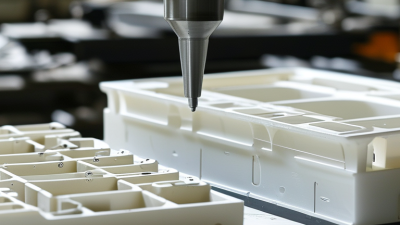
Design matters just as much. Even wall thickness helps plastic cool more evenly and reduces sink marks, those shallow dents near thick sections. Ribs can add stiffness without making the whole part bulky. A modest draft angle helps the part release from the mold; deep, straight walls may stick. Rounded corners also reduce stress compared with sharp internal edges. Undercuts and snap fits are possible, but they can add tooling complexity. There is no perfect resin or layout for every part. A lightweight prototype may reveal that a clip feels too stiff, or that a proposed rib leaves an unwanted mark. Check dimensions, finish, expected loads, and production volume before settling on a design.
How the Process Delivers Consistent Product Quality
Injection molding can produce thousands of parts with closely matched dimensions and appearance. Each cycle fills a shaped cavity, then holds and cools the material before the part is ejected. Consistency starts with a stable mold and a repeatable process. Technicians monitor melt temperature, injection pressure, cooling time, and material condition. Even small shifts can cause sink marks, short fills, or parts that do not fit their assembly. Small changes matter.
Reliable production also depends on thoughtful inspection. Teams can measure sample parts against drawings, check critical features, and record process settings across production runs. These records help identify drift before it affects a large batch. Still, repeatability is not automatic. A worn mold, uneven cooling, or damp resin may create defects, even when the machine settings appear unchanged. Reviewing both the parts and the process gives buyers a clearer picture of quality.
Tips: Ask how the supplier checks dimensions and tracks process changes. Request samples from a normal production run, not only carefully selected prototypes. Look for clear inspection criteria and honest reporting of known limitations. This detail can reveal more than a broad promise of consistency.
What Cost and Production Benefits Buyers Can Expect
Why Are Injection Molding Products Ideal for Buyers?
What Cost and Production Benefits Buyers Can Expect
Injection molding can reduce the cost per part when order volumes are high enough to justify the mold. Tooling requires a significant upfront investment, but production runs can yield many consistent parts. Automated cycles also reduce repetitive handling and make labor needs more predictable. Fast cycles matter. Still, the savings are not automatic; small orders may suit another manufacturing method better.
Buyers can benefit from repeatable dimensions, which can simplify assembly and reduce rework. A molded housing, for example, can include snap-fit points and ribs in one piece instead of requiring several separate components. Fewer parts may mean fewer purchasing steps and less time spent assembling them. These gains depend on sound design. A feature that looks efficient on screen may create a difficult mold or slow production.
Production planning also becomes easier when the mold, material, and process settings are established. Teams can estimate output more reliably and schedule replenishment around known cycle times. Ask suppliers about expected cycle duration, material waste, inspection needs, and tool maintenance before comparing unit prices. A low quote can hide costs. The best choice is usually the process that fits both expected demand and the product’s real requirements.
How Buyers Can Evaluate Injection-Molded Products and Suppliers
Why Are Injection Molding Products Ideal for Buyers?
How Buyers Can Evaluate Injection-Molded Products and Suppliers
Buyers should assess both the molded part and the supplier’s ability to repeat it. PlasticsEurope’s 2024 report, Plastics – the Fast Facts, estimates global plastics production at 413.8 million tonnes in 2023. At that scale, clear material records and consistent quality controls matter. Request the resin grade, colorant details, tolerance limits, and a dimensional inspection report. A polished sample can still hide process variation. Looks matter.
Inspect parts under real conditions. Measure critical dimensions with appropriate gauges, then test fit, strength, and function in the intended assembly. Check for flash along the parting line, sink marks near thick sections, and warpage across flat surfaces. Ask how the supplier controls machine settings, tracks changes, and handles rejected parts. A perfect first sample is useful, but it is not proof of stable production.
Tips: Request samples from three separate production runs. Compare measurements and appearance, and ask for the records behind any claimed defect rate. If a supplier cannot explain a variation, pause and investigate.