Choosing an injection molding supplier is not just a price comparison. It is a decision about repeatability, communication, and risk. A polished sample may look perfect under bright showroom lights; the real test comes after thousands of cycles, when dimensions, surface finish, and delivery dates must still hold. John Beaumont, author of Successful Injection Molding, is widely known for emphasizing the process knowledge behind consistent molded parts. In paraphrase: “Reliable parts begin with a supplier who understands and controls the process.” That is a guiding principle, not a verbatim quotation.
A strong supplier should explain how tooling design, resin selection, machine capability, and quality checks fit your part. Ask for examples of similar projects, details about process monitoring, and a clear plan for handling defects or engineering changes. Look beyond a low unit price. Mold ownership, maintenance, lead times, and production location can change the real cost. Small details matter: a documented inspection at startup, for example, can catch a dimensional drift before an entire batch is affected.
There is no perfect supplier on paper. Even experienced teams can overlook assumptions, and buyers sometimes provide incomplete drawings. That is worth examining honestly. The best partnership makes questions easy to raise, records decisions, and responds with evidence rather than vague assurances. This guide outlines practical ways to assess a supplier’s technical fit, quality systems, communication, and long-term value before committing to production.
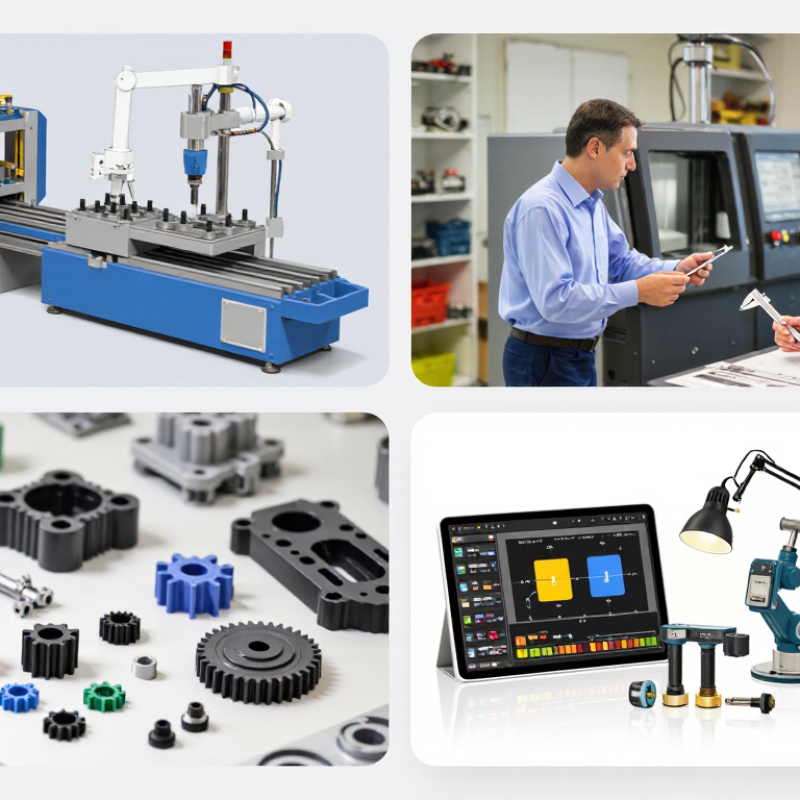
Before comparing injection molding suppliers, define what the part must do and how many you need.
Record its dimensions, critical tolerances, material, color, surface finish, and operating conditions, such as heat or repeated impact. A drawing alone may not explain how a snap-fit should flex or which surfaces will be visible. Mark those details. It is easy to overlook them, and revisions can cost time.
Production goals shape the tooling decision.
Estimate annual demand, expected product life, launch timing, and likely design changes. A low-volume pilot may call for different tooling economics than a stable, high-volume program. Grand View Research estimated the global injection molding market at USD 284.4 billion in 2023, reflecting a broad and varied industry; that figure is not a forecast for any one part.
Ask suppliers to quote against the same volume assumptions, resin grade, and acceptance criteria. Otherwise, the lowest quote may not be comparable.
Tips: Send a 2D drawing and 3D model, then ask the supplier to flag risky wall-thickness changes, ribs, and undercuts. Request sample inspection data for critical dimensions, not just a promise of quality. Keep one tolerance that is genuinely essential; overly tight requirements can add cost without improving function. I would revisit this list after the first prototype, because real parts sometimes reveal what the drawing missed.
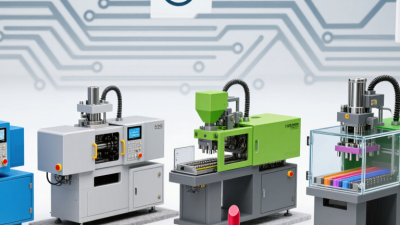
Choosing an injection molding supplier starts with the machine, not the sales presentation. During an audit, check clamp-force ranges, shot capacity, injection pressure, and platen dimensions against your mold portfolio. A machine that barely meets the specification may produce parts, but it leaves little process margin. Ask to see recent mold-trial records, cavity-pressure data, dimensional studies, and preventive-maintenance logs. These records reveal technical discipline better than polished factory tours.
Process control matters just as much. Look for calibrated sensors, automatic material drying, mold-temperature control, robotics, and real-time traceability. Deloitte’s 2023 Smart Manufacturing and Operations Survey found that 86% of manufacturers expect smart manufacturing to become a primary competitiveness driver within five years. That does not make every digital dashboard useful. A supplier still needs operators who understand warpage, sink marks, weld lines, and moisture-related defects. Request a sample control plan and ask how engineers react when data conflicts with visual inspection.
Metrology capability deserves equal attention. Confirm access to coordinate-measuring equipment, optical inspection, and gauge repeatability studies. The International Federation of Robotics reported 553,052 industrial robots installed worldwide in 2022, showing how automation is expanding across manufacturing. Yet automation can repeat a weak process very efficiently. No factory is perfect. I would rather see an honest corrective-action report than flawless statistics with no explanation. Ask whether the supplier can run your material, mold, cycle time, and inspection method under production-like conditions. Small gaps often appear there.
| Assessment Dimension | What to Check | Useful Evidence or Questions | Why It Matters |
|---|---|---|---|
| Machine clamping force | Available press sizes and the range of clamping forces the facility can support. | Request the press list, including clamping force and platen dimensions. Ask which press is proposed for the part and why. | The selected machine must suit the part’s projected area, mold design, and process requirements. |
| Shot capacity and injection unit | Shot size, injection pressure, screw diameter, and material compatibility of the proposed machine. | Compare the part-and-runner shot volume with the supplier’s documented machine specifications; ask how the estimate accounts for the chosen resin. | A suitable injection unit helps achieve consistent filling without operating at unsuitable capacity limits. |
| Mold dimensions and interfaces | Maximum and minimum mold dimensions, tie-bar spacing, opening stroke, and mold-height range. | Provide the mold drawing or dimensions and request written confirmation that it fits the intended press. | Physical compatibility is essential for installation, mold opening, and part ejection. |
| Process control and repeatability | How the supplier establishes, monitors, and records molding parameters such as temperature, pressure, and cycle time. | Ask for a sample process sheet, setup approval procedure, and records showing how changes are controlled. | Documented process control supports repeatable production and helps diagnose variation. |
| Material handling and drying | Resin storage, drying equipment, material identification, and prevention of contamination or mix-ups. | Ask how moisture-sensitive resins are dried and how material lots are tracked from receipt through production. | Incorrect moisture levels or material handling can affect appearance and part performance. |
| Mold design and engineering support | Ability to review part geometry, draft, wall thickness, gating, venting, and ejection before tooling or production. | Request a sample design-for-manufacturing review and ask who approves design changes. | Early engineering review can identify molding risks before they become costly tooling or production issues. |
| Tooling maintenance and repair | Preventive maintenance practices, mold cleaning, repair capability, and availability of spare components. | Request the maintenance checklist and ask how mold condition and repair history are documented. | Well-maintained tooling helps reduce unplanned downtime and quality problems. |
| Inspection and measurement equipment | Inspection methods and equipment suited to the part’s critical dimensions and tolerances. | Ask for a sample inspection report, equipment calibration records, and the measurement method for critical features. | Appropriate measurement practices help verify that parts meet the agreed drawing requirements. |
| Production monitoring and traceability | Lot identification, production records, defect tracking, and the ability to trace material and process history. | Ask for a sample traveler or production record with sensitive customer information removed. | Traceability helps investigate issues and identify affected production lots. |
| Capacity and backup planning | Available production hours, scheduling approach, maintenance downtime, and contingency plans for critical equipment. | Ask how the supplier checks capacity against forecast demand and what happens if the assigned press is unavailable. | Realistic capacity planning supports dependable delivery as order volumes change. |
Evaluation note: Confirm machine fit and process capability against the specific part, resin, mold, tolerance, and production volume. Equipment specifications alone do not guarantee production quality.
A supplier’s quality system should be visible in daily work, not just in a polished certificate. Ask how incoming resin is checked, how machine settings are recorded, and what happens when a part falls outside tolerance. A useful answer includes real examples, such as a dated inspection sheet or a documented corrective action. Look for lot traceability from material receipt through packing. Small details matter.
Review the supplier’s inspection plan for your specific part. It may include first-article checks, dimensional sampling, and tests for strength or appearance. Ask to see recent records, with sensitive customer information removed. The records should identify measurement tools and calibration dates. A gauge with an overdue calibration sticker is a warning sign. It is not proof of a bad process, but it needs an explanation.
Compliance depends on the product and its market. Confirm that the supplier understands relevant material restrictions, safety requirements, and customer-specific standards, and can provide supporting documentation. Certificates can help, but they do not replace consistent production evidence. If a supplier cannot explain how a requirement affects material selection or inspection, pause and clarify expectations. I have seen a tidy audit file miss a practical gap: operators were unsure which revision of a drawing controlled the run. Check that point on the production floor, too.
How to Choose the Right Injection Molding Supplier?
Compare more than the quoted unit price. Ask each supplier to price the same resin grade, part volume, mold scope, inspection plan, and packaging. A low quote may exclude mold maintenance or sampling, leaving costs to surface later. Request a line-item estimate and clarify how revisions affect tooling charges. The cheapest option is not always the least costly. I have seen comparisons become misleading when one quote includes a finished mold trial and another does not.
Lead times need the same scrutiny. Ask for separate dates for design review, mold build, first-article samples, and production. Request a schedule with named milestones, not just “six weeks.” The Project Management Institute’s 2013 Pulse of the Profession report found that ineffective communication put 56% of project investment at risk. That finding is not specific to molding, but it underlines why written updates and early warnings matter. A supplier who flags a delayed steel delivery promptly gives you more options than one who stays silent.
Tips: Send a simple comparison sheet to every supplier. Include response time, engineering support, sample approval steps, and how often you will receive updates. Ask who owns each action and when the next update is due. Then test the process with a small technical question. A slow or vague reply is useful evidence, though it should not be the only evidence.
Compare pricing, lead times, and communication performance before selecting a manufacturing partner.
The benchmark compares common supplier profiles using estimated tooling and production pricing, typical production lead time, and average response time. Lower pricing, shorter lead times, and faster communication generally indicate a more efficient sourcing experience. Final results should be validated through supplier quotations and sample reviews.
A molded part can look convincing in a photograph and still fail when it meets its assembly line. Request production-intent samples, not only hand-finished show pieces.
Check dimensions with the same gauges your team uses, and test snap fits, threads, and mating surfaces. Look closely at gate marks, sink areas, flash, and color variation.
Small flaws matter. Record results across several parts, since one perfect sample says little about process consistency.
Ask how the supplier controls changes to resin, tooling, and production settings. Request inspection records and clear answers about who will notify you when a specification cannot be met.
A useful review includes a practical trial: run samples through assembly, handling, and any relevant temperature or load conditions.
Keep notes, even on details that seem minor. We once overlooked a slightly tight clip; it slowed assembly more than expected.
That was on us, too.
Long-term fit depends on communication as much as equipment. Discuss forecast changes, spare tooling, maintenance intervals, and support for engineering revisions before placing a large order.
Notice whether responses include evidence, realistic timing, and named responsibilities—not just assurances. Ask who will manage the account after launch, and how quality issues are tracked and closed.
A supplier may perform well on a first batch, yet struggle when demand shifts. Be candid about uncertainty on both sides.
A trial order can reveal more than a polished presentation.