Choosing the right thermoplastic injection molding manufacturer can shape a product’s cost, strength, appearance, and delivery schedule. This guide examines ten established manufacturers through practical criteria, including material capability, tooling experience, quality systems, production scale, and customer support.
The comparison considers more than impressive machinery. A reliable supplier should explain mold-flow risks, control temperature and pressure, document inspection results, and communicate problems early. Small details matter: a clean mold surface, stable cycle time, and accurate gate location can decide whether a component passes or fails. Professor David O. Kazmer, a respected plastics engineering academic, highlights an essential principle: “Quality must be designed into the process, not inspected into the product.” That idea remains central to responsible thermoplastic injection molding.
No list is flawless. Manufacturer performance can vary by region, project size, resin, and production date. A company that excels at automotive housings may not suit medical components or small consumer parts. Some suppliers also present strong capabilities online but provide limited evidence about actual process control. That deserves careful attention. The manufacturers below are therefore discussed with a balanced view of strengths, applications, technical depth, and possible limitations. Readers should still request samples, certifications, tolerance data, and a transparent quotation before choosing a partner. Look beyond the brochure. A dependable manufacturer should make quality visible, measurable, and repeatable from the first trial run through full production.
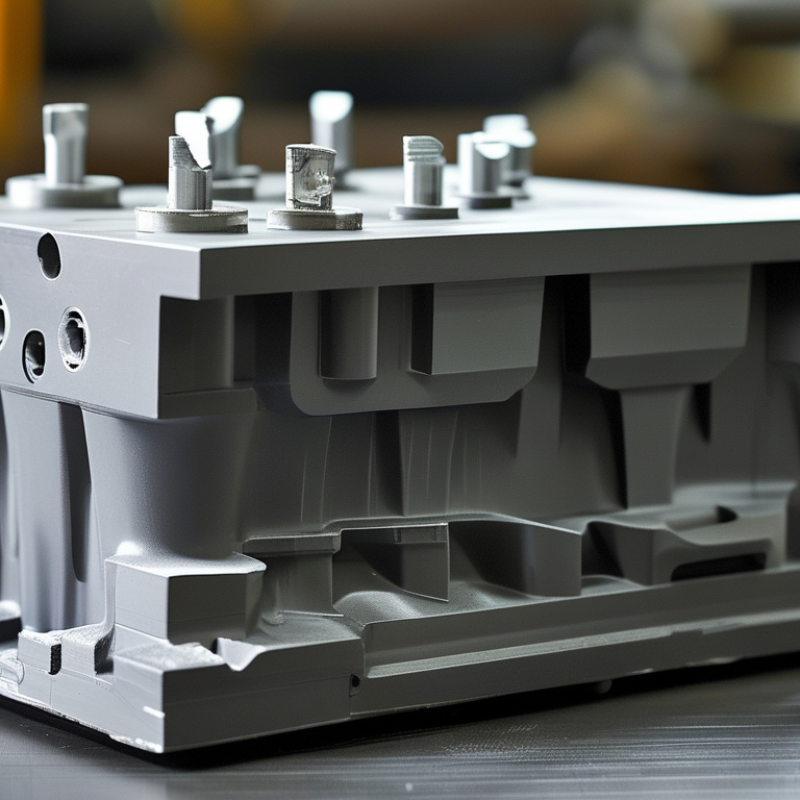
Thermoplastic injection molding is a manufacturing process for producing plastic parts at scale. Small plastic pellets enter a heated barrel through a hopper. A rotating screw melts and mixes the material. Pressure then pushes the melt into a shaped mold cavity.
The mold controls the part’s geometry, surface texture, and many visible details. Cooling channels remove heat while the plastic solidifies. Ejector pins then release the finished component. The cycle repeats, often within seconds, depending on material, thickness, and mold design. Common thermoplastics include polypropylene, ABS, nylon, and polycarbonate. Each behaves differently under heat, pressure, and moisture.
Good results require more than a powerful machine. Engineers check melt temperature, injection speed, holding pressure, cooling time, and shrinkage. They also inspect dimensions, flash, sink marks, weld lines, and warpage. A dry resin can prevent bubbles and weak areas. Small changes matter. A gate placed poorly may leave a visible mark or uneven filling. Recycled content can reduce material waste, but it may also affect color, strength, and consistency. The process is efficient, yet it is not flawless. A polished part can still hide internal stress, and a successful first trial does not guarantee stable production. Careful testing, documented settings, and regular mold maintenance support reliable manufacturing.
Top 10 Thermoplastic Injection Molding Manufacturers?
How to Evaluate Thermoplastic Injection Molding Manufacturers
A strong manufacturer should prove its capability, not merely describe it. Request production samples made from the same resin and with similar wall thicknesses. Examine weld lines, sink marks, flash, surface texture, and dimensional consistency. Ask how operators measure critical features after molding. Calibrated gauges and documented inspection records reveal more than polished brochures.
Review the company’s process controls in detail. Check mold maintenance schedules, machine clamp-force ranges, drying procedures, and material traceability. A reliable supplier can explain its injection speed, holding pressure, cooling time, and allowable process limits. For repeat orders, ask for capability data, such as Cpk results, when appropriate. These records help confirm whether quality depends on one experienced technician.
Visit the facility if the project is important. Observe resin storage, tool-room organization, cleanliness, and labeling on production containers. Speak with the quality manager and the production supervisor, not only the sales representative. Ask how they handle a failed inspection, delayed tooling, or a resin change. The answer may be imperfect, but vague answers deserve caution. I have learned that delivery promises often look stronger before a mold trial exposes weak planning. Confirm lead times through a written schedule, realistic approval stages, and clear responsibility for corrective actions. The cheapest quote can become expensive when communication, tooling support, or process stability is missing.
| No. | Evaluation Dimension | Recommended Benchmark | Evidence to Request | Weight | Priority |
|---|---|---|---|---|---|
| 1 | Quality Management | An active ISO 9001-certified quality management system; regulated medical projects may also require ISO 13485. | Current certificate, certification scope, issuing body, audit date, and corrective-action procedure. | 15% | Critical |
| 2 | Material Processing Range | Documented experience with the required thermoplastics, including commodity, engineering, and reinforced grades where applicable. | Material list, resin certificates, drying records, processing windows, and representative production samples. | 12% | Critical |
| 3 | Machine Capability | Clamping force, shot size, platen dimensions, injection pressure, and tie-bar spacing must match the part and mold requirements. | Machine list, capacity range, maintenance records, calibration status, and machine-to-mold allocation method. | 12% | Critical |
| 4 | Dimensional Control | Controlled inspection methods for critical dimensions, with tolerances defined by the drawing, material, geometry, and process capability. | Inspection plan, calibrated gauges, CMM capability, first-article report, and dimensional capability data. | 12% | Critical |
| 5 | Mold Design and Maintenance | Design-for-manufacturing review, appropriate steel selection, balanced filling, cooling control, and documented preventive maintenance. | Mold-flow review, tool drawings, maintenance schedule, cavity-count history, and spare-parts plan. | 10% | High |
| 6 | Process Validation | Repeatable process settings supported by documented trials, approved samples, and change-control procedures. | Process parameters, trial reports, capability studies, control plans, and approved golden samples. | 10% | High |
| 7 | Production Capacity and Lead Time | Capacity should cover forecasted demand with documented cycle time, uptime, staffing, and contingency planning. | Capacity calculation, historical on-time delivery, planned maintenance calendar, and backup-production plan. | 10% | High |
| 8 | Traceability and Documentation | Lot-level traceability from resin and colorant through molding, inspection, packaging, and shipment. | Sample batch record, barcode or ERP workflow, material-lot records, inspection results, and retention policy. | 8% | High |
| 9 | Secondary Operations | Available in-house or through controlled partners: assembly, pad printing, ultrasonic welding, heat staking, and packaging. | Process capability samples, approved subcontractor list, work instructions, and inspection criteria. | 6% | Medium |
| 10 | Total Cost and Sustainability | Evaluate total landed cost, scrap, energy use, packaging, tooling ownership, and recycled-material compatibility—not unit price alone. | Detailed quotation, scrap-rate assumptions, energy or environmental data, packaging proposal, and tooling terms. | 5% | Medium |
| Total Evaluation Weight | 100% | — | |||
Use the weighted criteria to compare shortlisted manufacturers objectively. Verify all certificates, capacity figures, tolerances, and delivery records directly before placing an order.
Top 10 Thermoplastic Injection Molding Manufacturers
The top ten thermoplastic injection molding manufacturers should be judged by more than machine count. Reliable suppliers combine mold design, material control, process monitoring, and repeatable production. Strong candidates often include medical-part specialists, automotive component producers, packaging experts, precision electronics manufacturers, and high-volume household product makers. Others focus on engineering plastics, recycled resins, rapid prototyping, or complex multi-cavity molds. Each group solves different production problems.
Look for documented quality systems, trained technicians, and traceable inspection records. A capable manufacturer should explain shrinkage, warpage, gate placement, cooling time, and resin drying in practical terms. Ask for sample measurements, not only polished photographs. Experience matters when a thin wall fills unevenly or a threaded part sticks during ejection. A ranking is never perfectly stable. Capacity, delivery reliability, and technical support can change by region and project. That deserves honest review.
Tips: Request a small trial run before signing a large order. Confirm resin certificates, tolerance data, mold ownership, and maintenance procedures. Compare cycle time with actual part quality, not speed alone. Visit the production floor if possible. Notice clean material storage, labeled bins, guarded machines, and clear inspection areas. One overlooked detail can become an expensive defect. Also, question any supplier promising zero risk; molding always requires careful adjustment.
Leading thermoplastic injection molding manufacturers now provide more than press capacity. Their services often begin with design-for-manufacturing reviews, mold-flow simulation, and material selection. Engineers check wall thickness, cooling channels, draft angles, and shrinkage before cutting steel.
Useful support. Recent Grand View Research data values the global injection molding plastics market at hundreds of billions of dollars, reflecting strong demand across medical, automotive, electronics, and packaging sectors.
Advanced manufacturers combine multi-cavity molds, hot-runner systems, servo-electric presses, and automated part removal. Many also offer insert molding, overmolding, gas-assisted molding, and thin-wall production. Inline cameras can inspect flash, short shots, color variation, and dimensional defects.
According to MarketsandMarkets, automation and lightweight polymer demand remain major growth drivers in injection molding. However, automation does not remove every risk. Poor sensor calibration can still create expensive scrap.
Quality services should include material traceability, process validation, metrology, and documented corrective actions. Medical and technical projects may require controlled environments, batch records, and validation aligned with relevant ISO standards.
Sustainability is also becoming practical rather than promotional. Manufacturers increasingly support recycled-content resins, energy monitoring, mold-life analysis, and downgauging studies. The Ellen MacArthur Foundation reports that circular design remains essential for reducing plastic waste, but recycled feedstock can vary in color and performance.
That limitation deserves honest discussion. Buyers should compare verified cycle data, sample parts, tooling ownership, and response times, not only hourly molding rates.
Top 10 Thermoplastic Injection Molding Manufacturers?
How to Select the Right Manufacturer for Your Project
Choosing a thermoplastic injection molding manufacturer requires more than comparing hourly rates. Start with your part’s resin, wall thickness, tolerances, annual volume, and surface requirements. An experienced supplier should explain shrinkage, warpage, gate location, and draft angles before cutting steel. Ask for samples from similar projects. Real parts reveal more than polished presentations.
Review the manufacturer’s quality system and production evidence. Check inspection equipment, process records, material traceability, and corrective-action procedures. Confirm whether technicians measure critical dimensions with calibrated tools. Request details about mold maintenance, machine capacity, and validation methods. A capable partner will discuss risks openly, not promise perfect results without reviewing your drawings. That matters.
Communication also affects cost and delivery. Ask who owns the tooling, how engineering changes are handled, and how quickly problems receive documented responses. A factory visit can reveal practical details, such as organized material storage and labeled inspection areas. I have learned that impressive equipment does not guarantee careful work. Sometimes a smaller team provides better technical attention, but its capacity may limit urgent orders. No checklist is perfect. Compare evidence, not confidence, and test the working relationship with a small pilot run before expanding production.
Typical melt-processing temperature benchmarks for commonly molded thermoplastics
The chart shows approximate midpoint melt-processing temperatures for widely used thermoplastics. Actual settings vary by resin grade, mold design, equipment, and part geometry. When comparing manufacturers, confirm that their machines, temperature control systems, tooling expertise, and quality processes match your selected material.