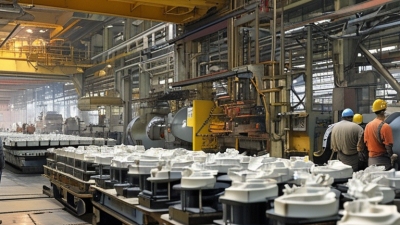
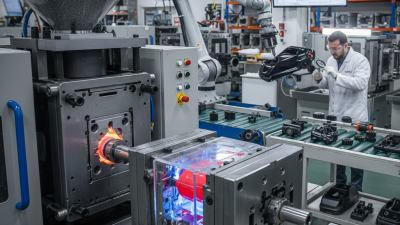
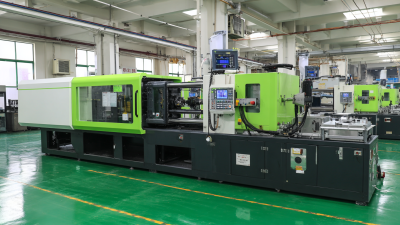
Choosing an industrial molding partner is not simply a search for the lowest quotation. It is a practical evaluation of process control, engineering judgment, and delivery reliability. Global buyers must examine how a supplier handles material selection, mold design, dimensional tolerances, surface finishes, and production changes. A polished website proves little.
John Bozzelli, a respected injection-molding engineer and founder of Scientific Molding, has said, “The process makes the part.” That principle remains highly relevant when comparing industrial molding companies for global sourcing. A capable supplier should connect mold-flow analysis with measurable shop-floor controls. Look for documented inspection methods, traceable resin records, preventive maintenance schedules, and technicians who can explain defects without hiding behind vague language.
Details matter. Ask how a factory controls mold temperature during a long production run. Request sample inspection reports, not only finished samples. Examine warpage around ribs, sink marks near bosses, flash at parting lines, and consistency across different cavities. These small signs reveal process discipline.
Cost still matters. It should not lead alone.
This guide reviews leading industrial molding companies through a sourcing-focused lens. It considers technical capability, tooling experience, quality systems, production capacity, communication, and regional support. No ranking can fit every project. A medical enclosure, automotive connector, and heavy equipment cover demand different strengths. Supplier claims also require verification. Even experienced buyers can overlook communication delays, unclear ownership of tooling, or weak change-control practices. Careful comparison creates a stronger foundation for reliable global manufacturing.
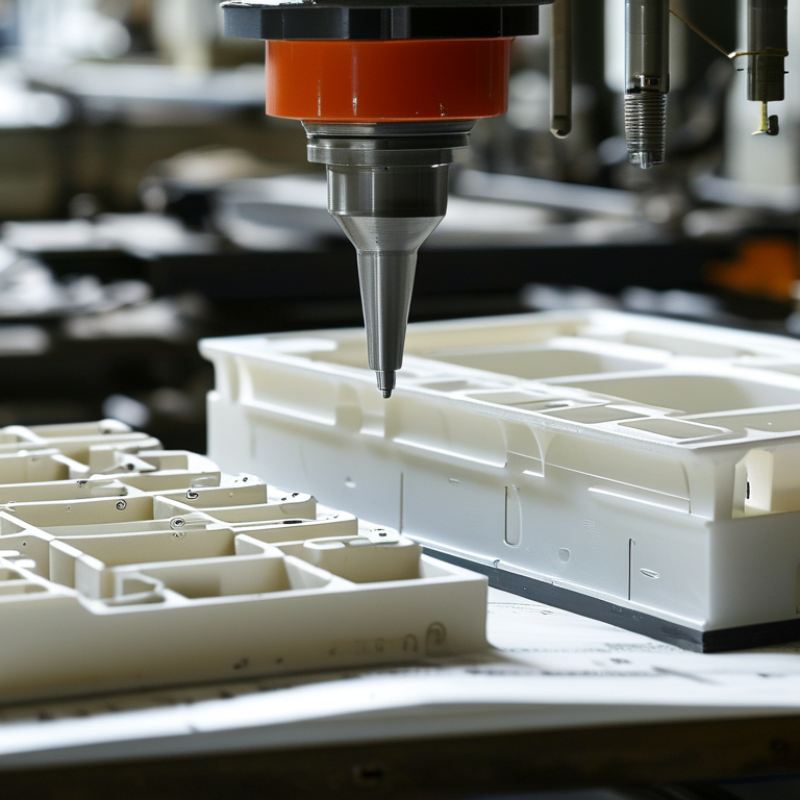
Industrial molding companies turn engineering concepts into repeatable parts for machinery, electronics, transportation, and other demanding industries. Their work begins with design review, material selection, and mold planning. Engineers examine wall thickness, draft angles, cooling channels, and possible deformation before production starts. A small design change can prevent costly defects later.
These companies also build or manage tooling, run trial samples, and adjust process settings. They may use injection, compression, or blow molding, depending on the part’s shape and performance needs. During production, technicians monitor temperature, pressure, cycle time, and surface quality. Reliable suppliers keep inspection records and trace material batches. However, even experienced teams can overlook a sharp corner or difficult ejection point. Practical testing still matters.
Tips: Ask for sample parts, dimensional reports, and clear production tolerances. Confirm how the supplier handles mold maintenance and corrective actions. Visit the facility when possible. Look closely at the work area, inspection tools, and packaging method. A polished presentation is not proof of stable production. In my experience, communication often reveals more than a sales document. Clear drawings, realistic deadlines, and honest feedback create fewer surprises. Some projects still need several trial rounds. That is normal.
| Molding Method | Primary Materials | Typical Production Profile | Common Part Characteristics | Typical Applications | Key Global-Sourcing Evaluation Criteria |
|---|---|---|---|---|---|
| Injection Molding | ABS PP PA PC POM | High-volume production of repeatable thermoplastic parts; suitable for automated manufacturing after tooling is validated. | Complex geometries, ribs, bosses, snap-fits, thin walls, and integrated cosmetic features. | Enclosures, automotive components, medical housings, consumer products, electrical parts, and industrial equipment. | Tooling ownership, mold-flow validation, resin traceability, dimensional inspection, cavity balance, and production capacity. |
| Compression Molding | SMC BMC Rubber Thermosets | Medium- to high-volume manufacturing of durable composite or thermoset components; often used for larger parts. | Strong, heat-resistant parts with relatively uniform wall sections and good structural performance. | Electrical insulation, automotive panels, covers, appliance components, and industrial structural parts. | Material formulation control, curing consistency, press capacity, fiber distribution, flash control, and environmental testing. |
| Transfer Molding | Epoxy Phenolic Silicone Rubber | Production of encapsulated or insert-molded parts where material must flow around embedded components. | Encapsulation, electrical insulation, fine details, inserts, and controlled material distribution. | Electronic packages, connectors, terminals, seals, sensors, and electrical protection components. | Insert positioning, cure-cycle control, void prevention, insulation performance, and process documentation. |
| Blow Molding | HDPE PET PP PVC | High-volume manufacture of hollow thermoplastic products with efficient material usage. | Hollow bodies, controlled wall thickness, handles, openings, and integrated neck finishes. | Industrial containers, tanks, ducts, packaging, automotive reservoirs, and fluid-handling products. | Wall-thickness control, leak testing, resin compliance, mold cooling, container strength, and capacity planning. |
| Rotational Molding | LLDPE PVC Plastisol Nylon | Low- to medium-volume production of large, hollow, seamless parts with comparatively low tooling complexity. | Large hollow shapes, uniform corners, durable walls, and relatively low residual stress. | Water tanks, material-handling bins, playground equipment, protective housings, and outdoor products. | Wall-thickness uniformity, powder distribution, oven temperature control, cycle repeatability, and dimensional stability. |
| Reaction Injection Molding | Polyurethane Epoxy Polyurea | Manufacturing of medium- to large-sized parts using reactive liquid components that cure inside the mold. | Lightweight structures, large surfaces, integrated reinforcement, and variable-density sections. | Automotive body panels, equipment covers, insulation parts, seating components, and industrial enclosures. | Mix-ratio accuracy, chemical storage, mold temperature, foam density, cure behavior, and surface-finish control. |
| Liquid Silicone Rubber Molding | LSR Medical Silicone Fluorosilicone | Automated production of flexible, heat-resistant, chemically stable parts, including high-volume precision components. | Fine details, soft-touch surfaces, seals, diaphragms, thin sections, and repeated elastic performance. | Medical components, valves, gaskets, keypads, food-contact parts, and electrical seals. | Cleanroom controls, biocompatibility documentation where required, flash limits, cure validation, and lot traceability. |
| Die Casting | Aluminum Zinc Magnesium | High-volume production of metal components with short cycle times and repeatable dimensional output. | Thin walls, integrated ribs, threaded features, complex details, and good surface finish after process optimization. | Automotive hardware, electronics housings, power tools, lighting components, and machinery parts. | Alloy certification, porosity control, dimensional capability, mold life, trimming operations, and surface treatment. |
| Metal Injection Molding | Stainless Steel Tool Steel Titanium | High-volume production of small, complex metal parts using feedstock, molding, debinding, and sintering. | Small intricate geometries, fine features, near-net-shape production, and reduced secondary machining. | Medical instruments, electronics hardware, automotive mechanisms, locks, and precision industrial components. | Feedstock consistency, shrinkage compensation, sintering profile, density, dimensional capability, and metallurgical testing. |
| Thermoforming | ABS PETG HIPS PC | Cost-effective production of large or shallow plastic parts, especially for prototypes and low- to medium-volume orders. | Large surface areas, relatively uniform shells, molded flanges, and broad cosmetic panels. | Machine guards, trays, equipment covers, interior panels, packaging, and point-of-use industrial products. | Sheet thickness, forming temperature, trim accuracy, tool material, surface quality, and material utilization. |
| Prototype and Low-Volume Molding | Engineering Plastics Silicone Polyurethane | Small-batch production for design verification, market testing, replacement parts, and bridge manufacturing. | Functional prototypes with production-like appearance, fit, and selected material characteristics. | New product development, engineering validation, spare parts, pilot programs, and customized equipment. | Lead-time accuracy, design-for-manufacturing feedback, sample approval, revision control, and scalable production planning. |
| Post-Molding Services | Applicable to molded plastic, rubber, composite, and metal parts. | Secondary operations that prepare molded components for assembly or shipment. | Machining, drilling, trimming, deburring, welding, printing, coating, plating, assembly, and packaging. | Finished assemblies, labeled components, sealed products, decorative parts, and ready-to-install modules. | Process flow, inspection checkpoints, contamination control, packaging specifications, final acceptance criteria, and export documentation. |