What Are the Top Injection Moulding Process Types in 2026?
Injection moulding remains one of the world’s most practical methods for producing repeatable plastic parts. From automotive clips to medical housings, the process combines speed, precision, and scalable production. PlasticsEurope reported global plastics production of 413.8 million tonnes in 2023, showing the enormous material base behind this industry. However, production volume alone does not identify the best technology.
The right injection moulding process depends on resin behaviour, part geometry, tolerances, energy targets, and expected output. Hydraulic machines still support demanding, high-force applications. Electric systems offer cleaner operation, accurate control, and potentially lower energy use. Hybrid machines attempt to balance both advantages. Meanwhile, two-shot moulding, insert moulding, gas-assisted moulding, and micro-injection are expanding design possibilities. Some are highly specialised.
Market evidence supports this shift. Grand View Research forecasts continued growth in the global injection moulding machine market through 2030, driven by automotive, packaging, electronics, and healthcare demand. Fortune Business Insights also predicts steady market expansion, although its estimates differ because report boundaries and definitions vary. That difference matters. Market data is useful, but it is not perfectly comparable.
This guide examines the top injection moulding process types shaping 2026. It considers machine architecture, production speed, part quality, material efficiency, tooling needs, and practical limitations. The most expensive option is not automatically the most suitable. Nor is the newest process always the most reliable. Real factory conditions can expose weaknesses that catalogues hide.
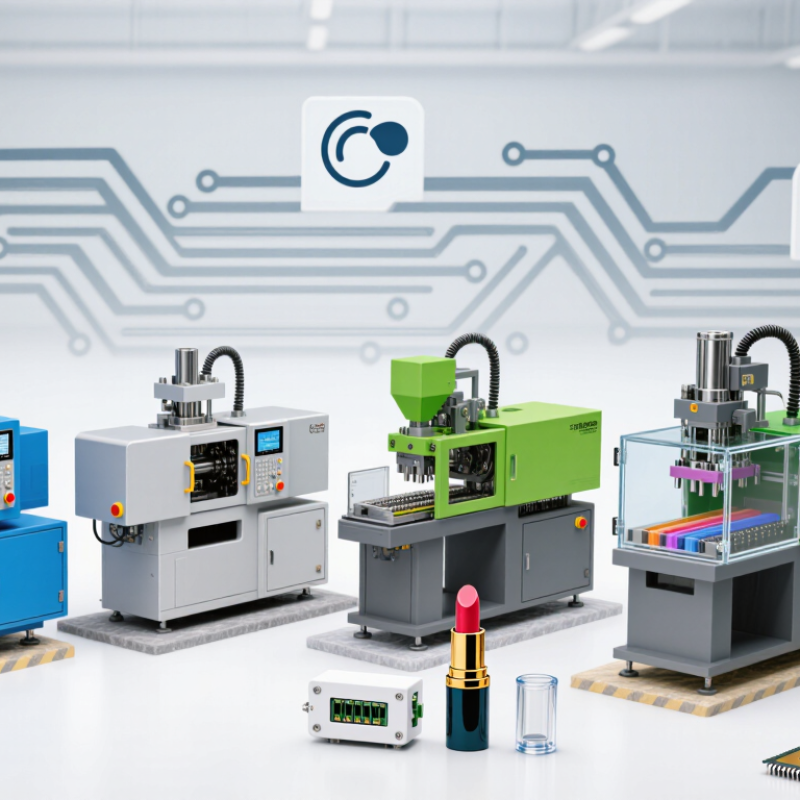
Injection Moulding Basics: ISO 20430:2020 and the 2026 Process Map
What Are the Top Injection Moulding Process Types in 2026?
Injection moulding begins with controlled material flow, pressure, cooling, and ejection. In 2026, the process map includes standard thermoplastic moulding, insert moulding, overmoulding, gas-assisted moulding, foam injection, and liquid silicone moulding. Each route changes the tooling design, machine settings, inspection points, and operator responsibilities.
ISO 20430:2020 provides safety requirements for injection moulding machines. It addresses guarding, access control, unexpected movement, injection units, and other machine-related hazards. It does not rank process types or replace a factory risk assessment. That distinction matters. A process map should connect each manufacturing step with its hazards and controls.
For example, an insert moulding cell needs secure fixture loading and reliable presence detection.
Overmoulding requires stable insert placement before injection pressure rises.
Gas-assisted moulding adds specialised pressure control and new verification checks.
Small changes can create large defects.
The details matter.
Experienced teams record melt temperature, cavity pressure, cooling time, and part weight. They also check flash, sink marks, short shots, and warped edges. These records support traceability and practical process decisions. However, no map is perfect. I have seen carefully documented settings fail after a material batch changed. Human review still matters.
A reliable 2026 process map should link machine safety, material behaviour, tooling conditions, quality checks, and maintenance intervals. It should remain easy to revise when new evidence appears.
Thermoplastic Moulding: 32.5% of European Plastics Processing
What Are the Top Injection Moulding Process Types in 2026?
Thermoplastic moulding remains central to European plastics processing, accounting for 32.5% in the cited industry benchmark. The figure reflects strong demand for materials that melt, flow, and solidify repeatedly. Plastics Europe reported 54.6 million tonnes of plastics production in Europe during 2023. That scale supports continuous investment in injection moulding capacity.
Conventional thermoplastic injection moulding still handles the largest volume. It suits housings, fittings, closures, and automotive components. Recycled-content grades are becoming more common, but they need tighter drying and process control. Small moisture errors can create silver streaks or brittle parts. That is easy to underestimate. Two-shot moulding adds two materials or colours in one cycle. Insert moulding combines plastic with metal or fabric components. Gas-assisted and micro-injection moulding reduce weight or create very small, detailed parts.
Grand View Research identifies automotive, packaging, and medical applications as major demand areas for injection moulding. Its market analysis also points to automation and material efficiency as important growth factors. European processors increasingly use electric machines, inline inspection, and closed-loop temperature control. These systems reduce variation, although they do not remove every defect. A poorly designed gate can still produce weld lines. Tool maintenance remains decisive.
The 2026 process choice should match geometry, resin behaviour, production volume, and recovery targets. Thermoplastics offer speed and repeatability, yet recycled feedstock may vary between batches. Engineers must test real production material, not only laboratory samples. That practical step is often missed. Relying on catalogue data alone can produce expensive surprises.
Specialty Methods: Gas-Assisted, Foam, Insert, Overmoulding, and Micro
In 2026, specialty injection moulding is helping engineers solve difficult design and weight problems. Gas-assisted moulding creates hollow channels inside thick sections. It can reduce sink marks, warpage, and material use. However, gas pressure needs careful control. Small changes can affect wall uniformity.
Foam injection moulding produces lightweight parts with a cellular interior. It suits panels, housings, and structural components. Insert moulding combines metal or fabric pieces with plastic during one cycle. This can reduce assembly work, but insert placement must remain precise. Overmoulding adds a second material for grip, sealing, or impact protection. Micro moulding produces extremely small components, where tiny vents and clean tooling are essential.
Tips: Check flow simulation before cutting tools. Measure insert movement during trials. For foam parts, inspect density across the cavity. Micro parts need magnified inspection and stable material drying. These details often matter more than machine size.
I have seen overmoulded parts fail because the bond area was too narrow. That mistake looked minor on the drawing. Gas-assisted parts may also need stronger ribs near load points. Designers sometimes expect foam to hide every defect; it does not. Material selection, cooling balance, and mould maintenance still control the final result. A practical trial should compare weight, strength, appearance, and cycle time together.、】【
Process Selection: 70–180 MPa Pressure, 10–60 s Cycles, and Energy Use
What Are the Top Injection Moulding Process Types in 2026?
Choosing an injection moulding process starts with pressure, cycle time, and energy demand.
Typical injection pressures range from 70 to 180 MPa.
Thin walls and reinforced polymers often need the higher end. Larger, simpler parts may run efficiently near 70 MPa. Do not select pressure from material data alone. Part geometry, gate design, and mould temperature also matter.
Hydraulic machines remain practical for demanding moulds and steady production. Electric systems usually offer precise movement and lower idle energy use.
Hybrid machines can balance high force with improved efficiency. Gas-assisted moulding reduces part weight and may lower material consumption.
However, it adds tooling complexity and process controls. A 10–60 second cycle is common, but cooling often controls the pace. The mould may need more time than the injection stage.
Energy monitoring should cover heating, clamping, cooling, and standby losses.
A machine using less power per hour may still perform poorly with long cycles. Measure kilowatt-hours per acceptable part. That figure is more useful.
In shop trials, I would record melt temperature, peak pressure, cooling time, and reject rate together.
Small changes can reveal hidden waste. Yet not every efficiency improvement survives full-scale production.
Material batches vary, and operators still influence results. Careful validation remains necessary.