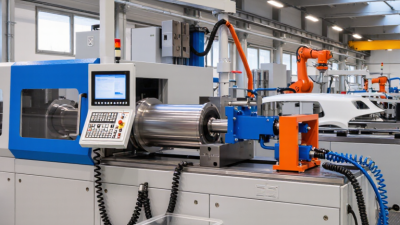
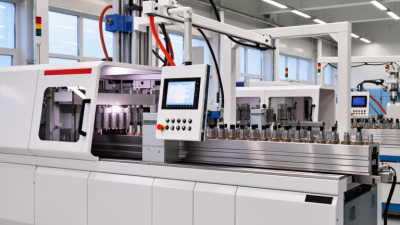
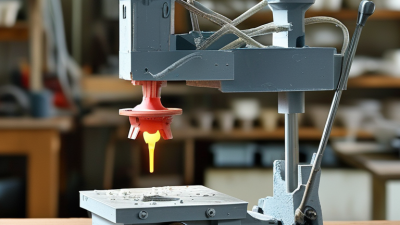
Choosing among the 7 best injection molding machines for global buyers takes more than comparing clamping force or purchase price. A machine that looks impressive in a showroom may struggle with a demanding mold, unstable material, or frequent production changes. Buyers should examine shot size, platen dimensions, tie-bar spacing, control repeatability, energy use, and local service support. Details matter. A mold that barely clears the tie bars can turn installation into a costly problem.
John Bozzelli, an injection molding consultant and educator, is known for emphasizing process understanding. A practical paraphrase of his process-focused guidance is: judge a machine by the control it can maintain, not the numbers in its brochure. This is not a verbatim quotation. It reflects a useful buying principle: request trial data, inspect sample parts, and ask how the supplier handles setup and troubleshooting. For global buyers, spare-parts access and technician response times can matter as much as the machine’s initial price.
This guide compares seven options by application, capability, and ownership considerations. It covers machines suited to different production needs, from compact parts to larger molded components. No single model fits every factory. The right injection machine depends on the mold, material, target cycle time, operator skills, and available utilities. Some comparisons remain imperfect because quoted performance figures may use different test conditions. Verify critical claims with your own mold and production requirements before making a purchase.
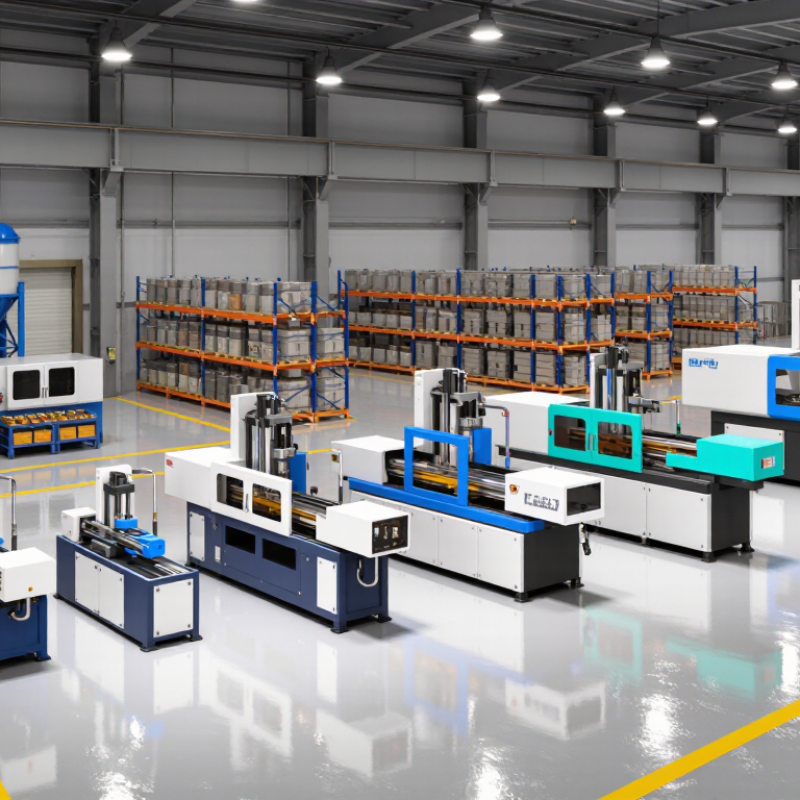
A molding machine converts thermoplastic pellets into shaped parts by heating the material and injecting it into a closed mold. A rotating screw moves pellets through a heated barrel until they soften into a viscous melt. The machine then pushes that melt through a nozzle and into the mold cavity. Pressure matters. Too little can leave a short shot; too much may cause flash along the mold seam.
After filling, the machine holds pressure while the part cools. The mold opens, and ejector pins release the finished piece. Cycle time depends on material, wall thickness, mold design, and cooling. A thin lid may emerge quickly; a thick housing needs longer. PlasticsEurope’s Plastics—the Fast Facts 2024 report puts global plastics production at 413.8 million tonnes in 2023. That figure covers all plastics production, not injection molding alone. Grand View Research estimated the injection molding machine market at about $10.5 billion in 2023; this is market value, not production volume.
Injection molding makes items such as bottle caps, appliance housings, medical components, and automotive connectors. The process suits high-volume production because one mold can produce many similar parts. But repeatability is not automatic. Moisture, temperature shifts, or worn tooling can alter dimensions and surface finish. A part can look flawless and still fail a fit test. That gap deserves attention.
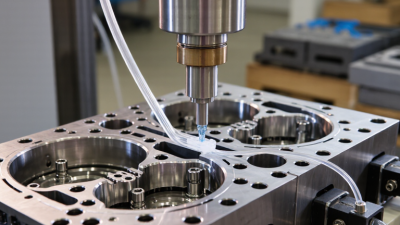
A global buyer should match machine capacity to the actual mold, resin, and production schedule—not just the largest part listed on a specification sheet. Check shot size against the part’s total shot weight, including runners, and leave a practical margin. Compare clamp force, tie-bar spacing, and platen dimensions with the mold drawing. A machine that cannot accept the mold safely is no bargain.
Tips: Ask for a trial using your mold and material. Record cycle time, part weight, scrap rate, and energy use. Check whether local technicians can diagnose faults and stock common wear parts. Small delays add up.
Also review control-system usability, safety features, and the availability of clear operating manuals. Confirm the machine’s electrical supply and cooling requirements fit the factory floor. Request service and spare-part lead times in writing. A spreadsheet may make one option look perfect; it rarely captures the frustration of a sensor fault during a night shift. I would not treat quoted output as guaranteed until it is tested under realistic conditions. Keep room for uncertainty.
Seven injection molding machines serve different production needs, and the right choice depends on part size, material, cycle time, and shop-floor conditions. The OECD’s Global Plastics Outlook (2022) reports that global plastics production reached 460 million tonnes in 2019, about twice its 2000 level. That scale makes equipment fit consequential, but volume alone is a poor buying guide.
Hydraulic machines suit high-clamping-force work and demanding production schedules. All-electric models offer precise motion and can reduce energy use in suitable applications; compare measured consumption, not brochure claims. Hybrid machines balance electric control with hydraulic force. Vertical machines help operators load inserts by hand or with automation. Two-platen designs can accommodate large molds while limiting machine footprint. Multi-component machines mold different materials or colors in one cycle. Micro-molding machines target small, detailed parts, where stable dosing and process control matter. The details matter.
Ask suppliers to run your actual mold and resin, then record cycle time, scrap, energy use, and changeover time. A short trial often exposes issues a specification sheet misses. A spreadsheet can mislead. No machine wins everywhere; even a capable machine may be a poor fit when local maintenance skills, mold access, or floor space are limited.
| Machine Type | Typical Clamping Force | Best Suited For | Key Advantages | What Buyers Should Check |
|---|---|---|---|---|
| Compact all-electric machine | About 300–1,000 kN | Small, precise parts; medical components; electronic connectors; short-run production | Accurate, repeatable movements; clean operation; no hydraulic oil in the clamping and injection drives | Required injection pressure, tie-bar spacing, mold dimensions, cleanroom requirements, and local service availability |
| General-purpose hydraulic machine | About 1,000–3,000 kN | Everyday production of household, packaging, and general industrial parts | Broad application range; familiar operating principles; available in many configurations | Pump and motor efficiency, cycle time, control options, energy supply, and maintenance support |
| High-clamping-force machine | About 5,000–20,000 kN | Large parts, deep containers, automotive components, and molds with substantial projected area | Provides the clamping force needed to resist cavity pressure and help prevent flash | Mold opening stroke, daylight, platen size, tie-bar spacing, foundation needs, and site power capacity |
| Two-platen machine | About 10,000–40,000 kN | Large molds and high-tonnage applications where factory floor space is limited | Typically has a shorter machine footprint than a comparable conventional toggle machine | Installation access, mold-change method, opening stroke, clamping-system design, and commissioning support |
| Vertical injection molding machine | About 300–3,000 kN | Insert molding, overmolding, and parts that benefit from gravity-assisted insert placement | Vertical clamping can make loading inserts and arranging operator access more convenient | Rotary-table or shuttle-table layout, guarding, automation interfaces, and operator ergonomics |
| Hybrid injection molding machine | About 2,000–10,000 kN | Production that needs a combination of hydraulic force and electrically driven precision or speed | Can combine hydraulic and electric subsystems to suit particular performance and energy targets | Which motions are electrically or hydraulically driven, expected duty cycle, energy data, and service requirements |
| Multi-component injection molding machine | About 2,000–10,000 kN | Two-material or multi-material parts, including rigid-soft combinations and color combinations | Can mold multiple materials in one integrated production cycle when the mold and process are designed for it | Number and arrangement of injection units, material compatibility, mold interface, process control, and tooling cost |
Clamping-force ranges are indicative and vary by machine design and configuration. The right machine depends on the part’s projected area, material, mold dimensions, required cycle time, utilities, and local service support.
The seven machine types differ most in clamping force, repeatability, and energy use. Hydraulic machines deliver strong clamp force for large parts and demanding molds. Their pumps may consume more energy during pauses. All-electric machines control injection and clamping with precise servo drives, helping maintain consistent shot weight. They often suit tight-tolerance parts, though purchase cost and service needs deserve attention. Hybrid machines combine electric injection with hydraulic clamping. A practical middle ground, sometimes. Toggle-clamp designs can close quickly, but mold setup and force distribution still matter.
Two-platen machines handle high tonnage while using less floor space than some traditional layouts. Vertical machines make insert loading easier, especially when metal components must stay positioned during molding. Micro-injection machines meter very small shots, but they cannot replace standard presses for larger components. Capacity figures alone can mislead. Compare shot size with the part and runner weight, then check clamp force against projected area. Efficiency also depends on mold cooling, resin behavior, and actual cycle time. A machine that looks efficient on paper may lose time to frequent changeovers. That detail is easy to miss. Ask for trials using your own mold and material, and record cycle stability, scrap rate, and energy per accepted part. A neat datasheet is not enough.
When comparing the seven best injection molding machines, global buyers should look beyond clamp force and shot size. A machine suited to one factory may still cause delays if its electrical configuration, guarding, or documentation does not match local requirements. Before ordering, request detailed specifications, wiring diagrams, operating manuals, and a list of included components. Small details matter.
Compliance requirements vary by destination. Treat certificates and safety declarations as documents to verify, not assumptions in a sales quotation. Ask a qualified local engineer to review voltage, frequency, emergency stops, guarding, and installation needs. Also confirm who handles customs documents, freight insurance, commissioning, and operator training. These responsibilities are easy to miss. Purchase price alone rarely reflects the full cost; spare-part lead times and technical response hours matter too.
After-sales support should be specific. Ask for written response times, warranty exclusions, remote troubleshooting procedures, and availability of wear parts such as seals and heaters. Request a sample service workflow: whom to contact, what photos or alarm details to provide, and how urgent faults are escalated. Check references from buyers in comparable regions. Not every claim is measurable. Leave some room for uncertainty, since shipping routes, local technician availability, and production conditions can disrupt even a careful plan.
These nominal clamp-force classes are representative size points found in injection molding machine catalogs, not a universal standard or a ranking of machines. Select a machine based on the part, mold, material, and production requirements. For global sourcing, also verify applicable market compliance and confirm local installation, spare-parts, and after-sales support.