How to Choose the Best Low Pressure Injection Molding Machine?
Choosing the right low pressure injection molding machine is crucial for manufacturers. This equipment plays a vital role in optimizing production efficiency and ensuring product quality. According to a recent industry report by the International Plastics Association, the market for low pressure injection molding machines is expected to grow by over 15% in the next five years. This growth reflects the increasing demand for precision and cost-effective manufacturing processes.
Dr. Emily Chen, a renowned expert in injection molding technology, emphasizes that “the right machine can transform production capabilities and reduce waste significantly.” Selecting a low pressure injection molding machine involves evaluating various factors, including material compatibility, energy efficiency, and production volume. Many manufacturers struggle with these choices. A tailored approach can lead to improved output and decreased operational costs.
Yet, it's essential to acknowledge that not every machine will meet all production needs perfectly. Companies must be open to reflecting on their specific requirements and adapting their choices accordingly. Balancing features with budget constraints can be challenging. Finding the ideal low pressure injection molding machine requires insight and careful analysis.
Understanding Low Pressure Injection Molding Machines
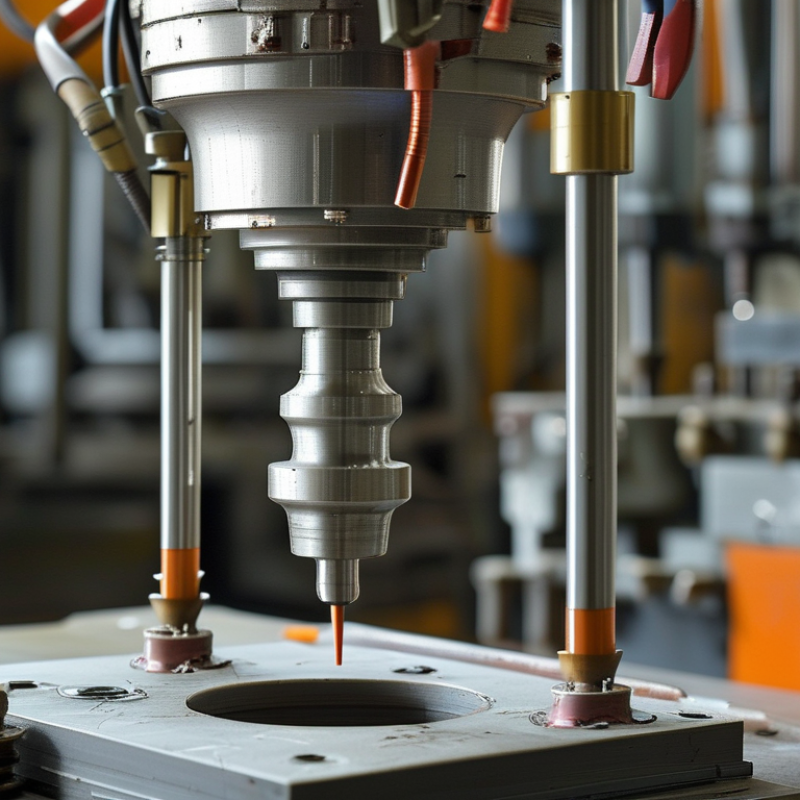
Low pressure injection molding machines play a pivotal role in manufacturing. They are ideal for producing complex parts with high precision. These machines operate at lower pressures than traditional counterparts. This allows for better control over the material, reducing the risk of defects. However, choosing the right machine requires an understanding of specific aspects.
Material compatibility is crucial. Different materials behave differently under low pressure. Knowing how the material interacts with the molding process enhances the outcome. Consider the cooling time and cycle efficiency. A well-timed cycle contributes to an optimal production rate. Yet, manufacturers often overlook these factors, leading to inefficiencies.
Additionally, assess the machine's design features. Features like heating, insulation, and control systems impact the overall process. Operators must feel comfortable with the interface. A complicated setup can lead to mistakes and wasted resources. Reflect on your production needs and make informed decisions. Each detail matters in optimizing your production line.
Key Factors to Consider When Choosing a Machine
When selecting a low pressure injection molding machine, several key factors require careful consideration. One crucial aspect is the machine's clamping force, which directly impacts the quality and precision of molded parts. According to industry reports, machines with a clamping force range of 50-150 tons are suitable for most applications. Ensuring the right calibration prevents defects in the final product and enhances overall production efficiency.
Another important factor is cycle time. A shorter cycle time increases productivity but could compromise part quality. Reports suggest that modern low pressure machines can achieve cycle times of under 30 seconds for many materials. This efficiency allows manufacturers to meet market demand quickly, yet balancing speed with quality remains a challenge. Many operators overlook this, leading to increased waste and financial loss.
Energy consumption is also a vital consideration. Machines that possess energy-saving features can lead to significant cost reductions over time. Data indicates that machines designed for low energy consumption can reduce operational costs by up to 30%. However, not every machine on the market provides this benefit, and diligent evaluation is essential in making an informed choice.
Evaluating Machine Specifications and Capabilities
When evaluating low pressure injection molding machines, a few key specifications and capabilities stand out. One critical factor is the clamping force. Machines often operate within a range, with forces varying from 5 to 50 tons. The right force ensures proper mold closure and product integrity. According to industry reports, inadequate clamping force can lead to defects, costing manufacturers up to 20% in rework and scrap.
Another important specification is the machine's injection speed. Faster injection ensures better filling of intricate molds, which is crucial for high-quality production. Speeds can vary significantly, with some machines reaching up to 150 mm/s. However, higher speeds can lead to issues like shear heating, which may affect material properties. Understanding these trade-offs is essential for effective machine selection.
Energy consumption is also a vital consideration. Recent studies indicate that low pressure injection molding machines can save up to 30% more energy than their conventional counterparts. This can significantly impact operational costs. However, achieving energy efficiency often requires careful calibration and operator training. Manufacturers should invest time in understanding their machine's capabilities and limits to maximize performance.
Assessing Manufacturer Reputation and Support Services
When selecting a low-pressure injection molding machine, the reputation of the manufacturer is crucial. A manufacturer with experience demonstrates reliability. Look for companies that have been in the industry for several years. They often have a proven track record. Evaluate customer reviews to gain insight into their support services. Positive feedback can indicate a strong commitment to customer satisfaction.
Support services should also be thoroughly assessed. A reputable manufacturer provides effective technical support. This includes quick response times and knowledgeable staff. If a machine malfunctions, timely assistance is vital. Make sure the manufacturer offers clear warranty terms and service plans. Consider visiting production facilities or speaking with existing customers if possible.
Researching manufacturers can be challenging. Keep an open mind and ask tough questions. Not all manufacturers will meet your expectations. Don’t hesitate to seek references. Talk to users about their experiences. Identify potential red flags before making a decision. A thoughtful approach leads to better outcomes in your investment.
How to Choose the Best Low Pressure Injection Molding Machine? - Assessing Manufacturer Reputation and Support Services
| Criteria |
Details |
| Manufacturer Reputation |
Established for over 20 years with positive market reviews |
| Customer Support |
24/7 customer support with a dedicated helpline |
| Warranty & Service |
2-year warranty with annual maintenance checks |
| User Training |
Comprehensive training program included with equipment |
| Spare Parts Availability |
Readily available with a promise of shipment within 48 hours |
| Customization Options |
Flexible options to cater to specific production needs |
| User Feedback |
High ratings for efficiency and ease of use from users |
Cost Analysis and Budgeting for Your Investment
When considering a low pressure injection molding machine, budgeting is crucial. Begin by estimating both upfront costs and ongoing expenses. These machines vary in pricing based on features, capacity, and efficiency. Understanding your production needs will help you avoid overspending. Aim for a balance between cost and functionality.
Evaluate the long-term value of your investment. Cheaper machines may save money initially, but they can have higher maintenance costs. Review the energy consumption rates of different options. A reliable machine should reduce operational costs over time. Getting quotes from multiple suppliers can also provide insight into your budget.
Plan for unexpected costs. These can include installation fees and training expenses. It's wise to set aside a portion of your budget for these potential extras. Consider the time required for installation and setup. This can impact your production schedule. Ultimately, a careful, informed budget will guide you to the right machine that meets your long-term goals.