What Is an Injection Machine Mold and How Does It Work?
An injection machine mold is the precision tool that gives molten plastic its final shape. It works inside an injection molding machine, where heated material flows through a nozzle and enters a carefully engineered cavity. Once the plastic cools, the mold opens and releases the finished component.
The process appears simple. It is not. A mold usually contains two main halves, called the core and cavity. Cooling channels carry water around the molding area, while ejector pins push the solid part away. Gates, runners, vents, and sliders control how material fills difficult sections. Even a tiny blocked vent can leave burn marks, trapped air, or incomplete edges.
In practical manufacturing, engineers select steel, aluminum, coatings, and surface finishes according to production volume and product requirements. A high-volume automotive connector needs different durability from a short-run prototype housing. Skilled mold makers inspect alignment, cooling balance, shrinkage, and wear before production begins. Measurement tools, trial shots, and documented quality checks help verify performance.
Small errors matter. A few seconds of cooling can change the part. Mold design also depends on resin behavior, machine pressure, temperature, and geometry. For this reason, no injection machine mold should be judged by appearance alone. Reliable results come from tested design data, experienced maintenance, and continuous review. Some assumptions will fail. That is normal. Recognizing them early protects product quality, reduces waste, and extends mold life.
What Is an Injection Machine Mold?
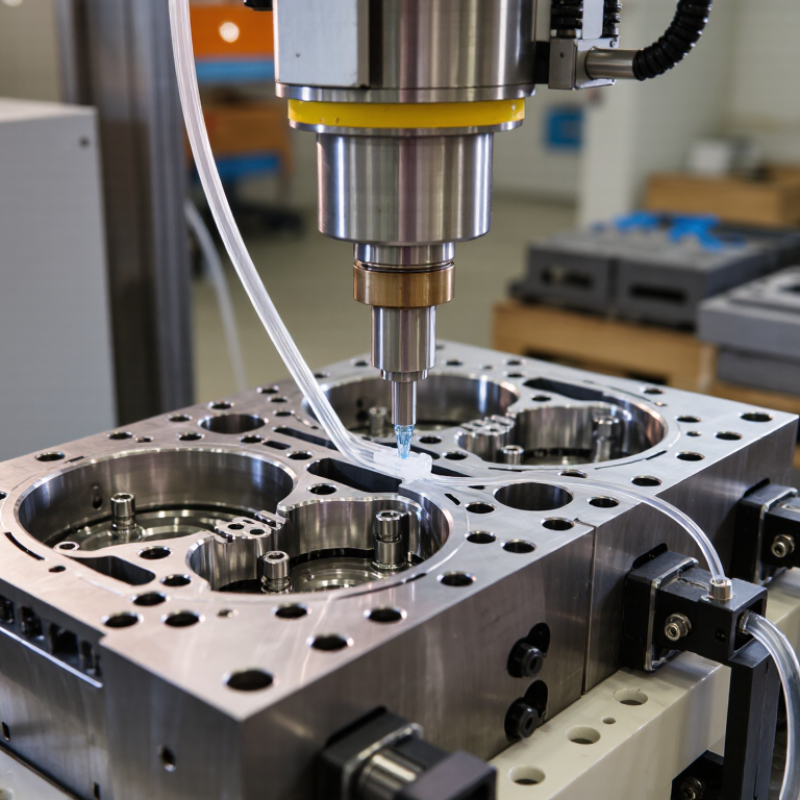
Injection machine mold is the shaped tool that turns molten plastic into a repeatable part. It is not the machine itself. The mold usually contains two main halves, called the cavity and the core. When they close, their steel surfaces form the product’s three-dimensional shape. A runner system guides melted material into the cavity, while cooling channels remove heat. Ejector pins then push out the solidified part.
During operation, the injection unit melts measured plastic pellets and forces the material through a nozzle. Pressure fills narrow features, including ribs, clips, and textured surfaces. After cooling, the mold opens, and the ejection system releases the component. A well-designed mold controls filling speed, temperature, pressure, and shrinkage. These details affect flash, sink marks, warping, and visible flow lines.
Mold construction requires practical judgment, not only computer drawings. Hardened steel suits long production runs, while aluminum can support quicker, lower-volume work. Vent depth, gate location, and cooling layout deserve careful inspection. Small errors matter. Poor venting may trap air near a thin wall, leaving burn marks or incomplete filling. Regular cleaning, lubrication, and dimensional checks help maintain accuracy. Even so, results are not always perfect. Plastic behavior changes with moisture, pigment, and recycled content, so trial shots and measured adjustments remain necessary.
What Is an Injection Machine Mold and How Does It Work?
An injection mold is a precision tool that shapes molten plastic into a finished part.
The machine closes the mold, injects material into the cavity, applies holding pressure,
cools the part, and then opens the mold for ejection.
Typical thermoplastic injection-molding cycle example: total cycle time is approximately
17 seconds. Actual times vary with material, part thickness, mold design, and machine settings.
What Are the Main Parts of an Injection Mold?
An injection mold is the tool that gives molten plastic its final shape. Its performance depends on several precisely fitted parts, not only the cavity. According to the OECD’s Global Plastics Outlook, global plastic production reached about 460 million tonnes in 2019. That scale makes mold reliability and material efficiency increasingly important.
The mold base supports the entire assembly and keeps both halves aligned. Guide pillars and guide bushes control movement during closing. The cavity forms the outside surface, while the core creates internal features such as holes, ribs, or threads. Their steel surfaces must be polished or textured carefully. Small alignment errors can leave visible parting lines.
The runner system carries plastic from the sprue to each cavity. Gates regulate the entry point and affect filling marks, pressure, and cooling. Cooling channels remove heat through circulating water. Uneven cooling may cause warpage. The ejector pins then push the solidified part from the core, while the ejector plate transfers force evenly. It sounds simple.
In practice, venting is often underestimated. Tiny vents release trapped air near the end of filling and reduce burn marks. A 2023 technical review in Polymer Testing notes that cooling conditions strongly influence cycle time and dimensional stability. Designers should still validate results with mold-flow analysis and trial shots. Reports help, but real plastic behavior can be less predictable than the simulation.
How Does the Injection Molding Process Work?
An injection machine mold is a precision tool that shapes molten plastic inside a closed cavity. The injection molding process begins when plastic pellets enter a heated barrel. A rotating screw melts and pushes the material forward. The machine then injects it through a nozzle at controlled pressure. Clamping force keeps the mold halves closed during filling. Small vents release trapped air.
After the cavity fills, holding pressure reduces shrinkage as the plastic cools. Cooling channels carry water around the cavity and control solidification. Ejector pins then remove the finished part. The cycle repeats, often within seconds. This detail is easy to underestimate. According to PlasticsEurope’s Plastics—the Fast Facts 2024, global plastics production reached 413.8 million tonnes in 2023. That scale explains why cycle stability matters. In practical mold trials, uneven cooling can create warpage, sink marks, or visible stress. The process is repeatable, not perfectly simple.
Tips:
Dry moisture-sensitive pellets before processing. Check melt temperature, injection speed, and holding pressure together. A single setting rarely explains every defect. Record mold temperature at several points, not only at the controller. Fortune Business Insights reported strong long-term growth for the global injection molding market, but production volume alone does not prove quality. Operators still need dimensional checks, sample testing, and honest review of failed parts.
Which Materials and Products Use Injection Molds?
What Is an Injection Machine Mold and How Does It Work?
Injection molds shape heated material inside a precision-machined cavity. The machine injects plastic under pressure, then cooling channels remove heat. After solidification, ejector pins release the finished part. The material matters.
Common choices include polypropylene for food containers, caps, and living hinges.
Polyethylene suits bottles, storage boxes, and flexible packaging components.
ABS provides toughness for appliance housings, control panels, and protective covers.
Polycarbonate handles impact-resistant shields and transparent components.
Nylon works well for gears, clips, and other parts exposed to friction.
Thermoplastic elastomers create soft grips, seals, and flexible overmolded surfaces.
Different materials require different temperatures, drying conditions, mold designs, and cooling times.
Products can be tiny medical fittings, automotive fasteners, electronic enclosures, or large waste containers. Engineers examine wall thickness, shrinkage, draft angles, and weld-line locations before production.
A thick corner may cool slowly and develop a visible sink mark.
A narrow gate can restrict flow and weaken the part.
Small details matter.
A glossy surface can hide internal stress. A part may look acceptable but fail during assembly. Material selection is not always perfect, especially when cost, strength, appearance, and cycle time conflict.
Experienced technicians adjust pressure, cooling, and injection speed through controlled trials. Testing remains essential, because real production rarely matches the first computer model exactly.
How Are Injection Machine Molds Designed and Maintained?
An injection machine mold is a precision tool that shapes molten plastic under pressure. The machine heats plastic pellets, pushes the melt into the mold cavity, and holds pressure while the part cools. The mold then opens, and ejector pins release the finished component. Small design decisions affect every cycle.
Mold design begins with the product’s geometry, material, and expected production volume. Engineers plan the parting line, gate location, cooling channels, vents, and ejection system. Even a slight wall-thickness change can create warping or sink marks. Steel selection also matters because repeated pressure and heat cause gradual wear. A practical design review should check airflow, cooling balance, and safe access for cleaning. One assumption may still fail during the first trial.
Maintenance protects accuracy and reduces unexpected downtime. Operators should remove residue from vents and cavities after scheduled runs. They should inspect guide pins, ejector pins, seals, and cooling lines for scratches, leakage, or unusual resistance. Lubrication must follow the mold maker’s specifications. Too much grease can attract dust and contaminate surfaces. Record cycle counts and repair findings. Data often reveals problems before defects become obvious.
Tips: Use a soft copper or plastic tool for stuck residue. Avoid sharp steel scrapers. Check the first molded parts after every setup change. Keep photographs of wear areas, because memory is unreliable. Recheck cooling performance when seasons or water conditions change.