In 2026, thermoplastic molding is becoming more precise, data-driven, and material-conscious. Manufacturers are not choosing one process for every product. They are matching each method to geometry, volume, resin behavior, surface finish, and end-use stress. That decision can reduce waste, shorten cycle times, and prevent costly mold changes.
John Bozzelli, a respected injection-molding consultant and founder of Scientific Molding, has said, “Injection molding is a process, not an event.” This practical observation remains important. A stable result depends on drying, melt temperature, filling speed, cooling, mold maintenance, and operator judgment. Small details matter. A damp nylon pellet can create bubbles, weak weld lines, or unexpected shrinkage.
This guide examines the leading thermoplastic molding types expected to shape production in 2026. Injection molding remains central for tight tolerances and high-volume parts. Extrusion supports continuous profiles, films, pipes, and sheets. Blow molding serves hollow containers and technical tanks. Thermoforming offers efficient shaping for large, thin components. Rotational molding remains useful for durable, hollow products with complex curves. Compression and hybrid processes may also gain attention for reinforced thermoplastics and lower-pressure applications.
The ranking is not absolute. It depends on the part. A simple tray may favor thermoforming, while a medical connector may demand controlled injection molding. Recycled polymers can also change the answer. Their moisture, flow, and contamination levels are not always predictable. That uncertainty deserves honest testing, not marketing promises. Good molding is never only about machines. It is about evidence, process discipline, and thoughtful compromise.

Injection Molding: High-Volume Precision
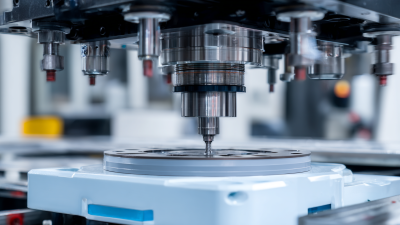
Injection molding remains one of the leading thermoplastic molding types entering 2026. The cited GVR estimate valued this market at USD 190.5 billion in 2023. Its strength is repeatable production. Molten pellets enter a heated barrel, then fill a precisely machined mold under pressure. After cooling, the part releases with consistent dimensions.
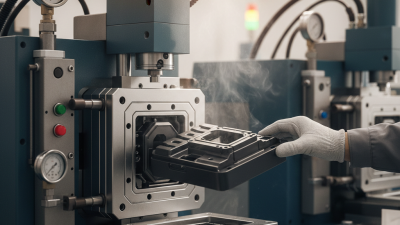
This process suits automotive housings, medical components, appliance panels, and everyday closures. Cycle times can be short, especially with balanced cooling channels and automated part removal. Engineers also control melt temperature, injection speed, holding pressure, and shrinkage. Small adjustments matter. A slight temperature shift may create warping, sink marks, or visible flow lines.
High volume does not mean effortless quality. Tooling costs can be substantial, and poor mold maintenance may increase scrap. I have found that production teams sometimes trust machine settings too much. Resin moisture, ambient temperature, and worn gates still influence results. The process also uses considerable energy during heating and clamping. That weakness deserves more attention in 2026.
Digital monitoring can improve traceability by recording pressure curves and cycle changes. However, data cannot replace skilled inspection. A technician may notice a dull surface before software flags a problem. Material selection requires equal care. Reinforced thermoplastics can improve stiffness, but they may accelerate mold wear. Injection molding remains highly capable, though its precision depends on disciplined design, maintenance, and human judgment.
A practical comparison of major thermoplastic molding processes by production scale, material suitability, precision, tooling profile, and typical applications.
| Molding Type | How the Process Works | Common Thermoplastics | Typical Production Volume | Precision & Surface Finish | Tooling and Cost Profile | Typical Products | 2026 Relevance |
|---|---|---|---|---|---|---|---|
| Injection Molding | Pellets are melted and injected under pressure into a closed mold, where the part cools and solidifies. | PP, PE, ABS, PS, PC, PA, POM, PBT, TPE and reinforced engineering grades. | High to very high Best suited to thousands or millions of parts. |
Excellent repeatability; supports tight tolerances, complex geometry, ribs, bosses, living hinges and textured surfaces. | High initial mold investment; low unit cost at scale. Multi-cavity and hot-runner tools improve throughput. | Caps, closures, housings, medical components, automotive interiors, appliances and consumer products. | Core process for automated, high-volume precision production. |
| Extrusion Molding | Molten polymer is forced continuously through a die to create a constant cross-sectional profile. | PE, PP, PVC, PS, ABS, TPU and thermoplastic elastomers. | Very high Continuous production with long, repeatable output. |
Good profile consistency; surface quality depends on die design, cooling and line control. | Moderate die cost; economical for continuous products. Die changes are required for new profiles. | Pipe, tubing, film, sheet, wire coating, weather seals, channels and window profiles. | Important for lightweight construction, infrastructure, film and recyclable packaging formats. |
| Blow Molding | A heated preform or parison is expanded with air inside a mold to form a hollow part. | HDPE, LDPE, PP, PET, PVC and selected engineering thermoplastics. | High Well suited to large repeat runs of hollow products. |
Good external surfaces and wall distribution; precise control is more challenging than with injection molding. | Moderate to high tooling cost; tooling economics improve substantially with large production quantities. | Bottles, fuel tanks, drums, containers, ducts and hollow technical parts. | Supports lightweight packaging, fluid handling and hollow-part weight reduction. |
| Thermoforming | A thermoplastic sheet is heated until pliable and formed over or into a mold using vacuum, pressure or both. | ABS, HIPS, PET, PP, PVC, PE, PC and multilayer sheet structures. | Medium to high Effective for medium runs and large-area parts. |
Good appearance and moderate dimensional accuracy; thickness can vary in deep draws. | Lower tooling cost and faster tool development than injection molding; trimming is often required. | Food trays, medical packaging, appliance liners, pallets, vehicle panels and protective covers. | Attractive for fast product development, large parts and material-efficient packaging. |
| Rotational Molding | Polymer powder is placed in a hollow mold that rotates on multiple axes while being heated. | LLDPE, HDPE, PVC plastisol, PA and selected specialty grades. | Low to medium Suitable for large parts and moderate production quantities. |
Seamless hollow parts with relatively uniform walls; tolerances are generally looser than injection molding. | Relatively low mold cost; long cycle times and manual handling can increase unit cost. | Storage tanks, coolers, playground equipment, kayaks, traffic barriers and agricultural containers. | Useful for durable, large, hollow products with complex shapes and low tooling budgets. |
| Compression Molding of Thermoplastics | A heated charge or preform is placed in a mold and compressed into shape; heating and cooling occur in the tool or process line. | PP, PE, PA, PPS, PEEK and thermoplastic composite compounds. | Medium to high Suitable for structural parts and repeat production. |
Good structural performance and fiber orientation control; detail depends on charge placement and mold design. | Moderate to high tooling and press investment; can reduce waste for composite or sheet-based components. | Automotive panels, electrical components, structural brackets and fiber-reinforced parts. | Relevant to lightweight structural components and thermoplastic composites with recyclable matrices. |
| Transfer Molding of Thermoplastics | A heated thermoplastic charge is transferred from a chamber into a closed mold cavity under pressure. | High-temperature engineering thermoplastics such as PEEK, PPS, PEI and reinforced PA. | Low to medium Best for specialized, high-value components. |
Good encapsulation and complex-feature capability; process control is required for high-temperature materials. | Higher equipment and process-control requirements; justified by complex or high-performance parts. | Electrical insulation parts, aerospace components, precision technical parts and encapsulated assemblies. | Supports demanding applications requiring heat resistance, chemical resistance and dimensional stability. |