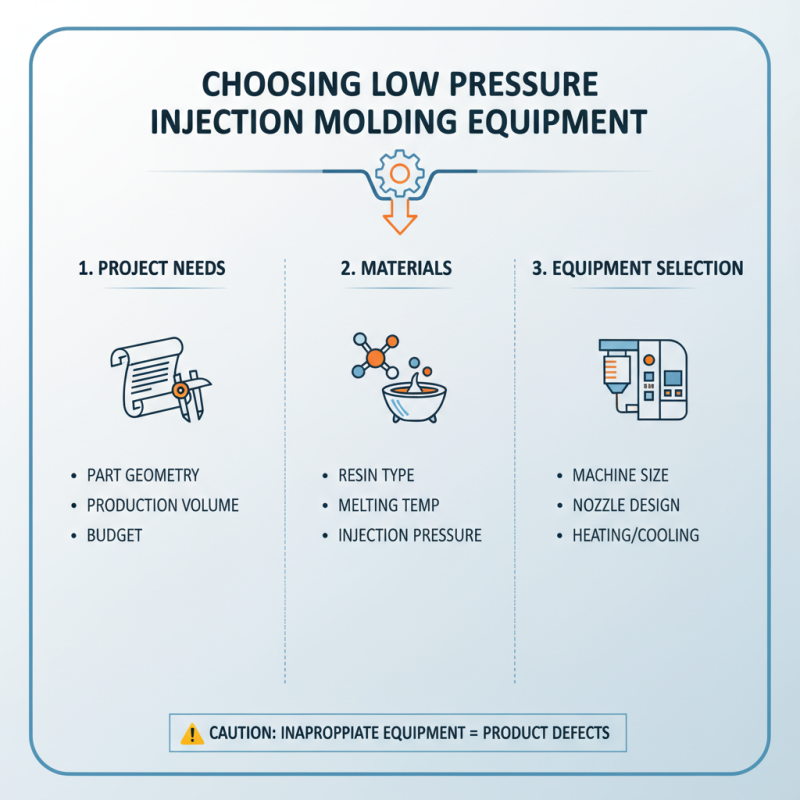
How to Choose Low Pressure Injection Molding for Your Project?
Choosing the right method for manufacturing can significantly impact your project's success. Low pressure injection molding is a popular option in various industries. Experts emphasize its benefits in producing high-quality parts with less material waste. According to Dr. Jane Thompson, a leading specialist in polymer science, "Low pressure injection molding allows for greater flexibility and cost efficiency."
This technique utilizes lower pressures during the mold filling process. It reduces stress on the materials, resulting in fewer defects. Companies often overlook the importance of selecting the right molding method. This choice can affect production speed, part quality, and overall costs.
Investing time in understanding low pressure injection molding is crucial. Many projects suffer from rushing decisions that lead to wasted resources. By reflecting on your specific needs and the capabilities of this method, you can achieve better results. Even experts encourage careful consideration of each project’s unique demands. Ensure your decision aligns with long-term goals and sustainability practices.
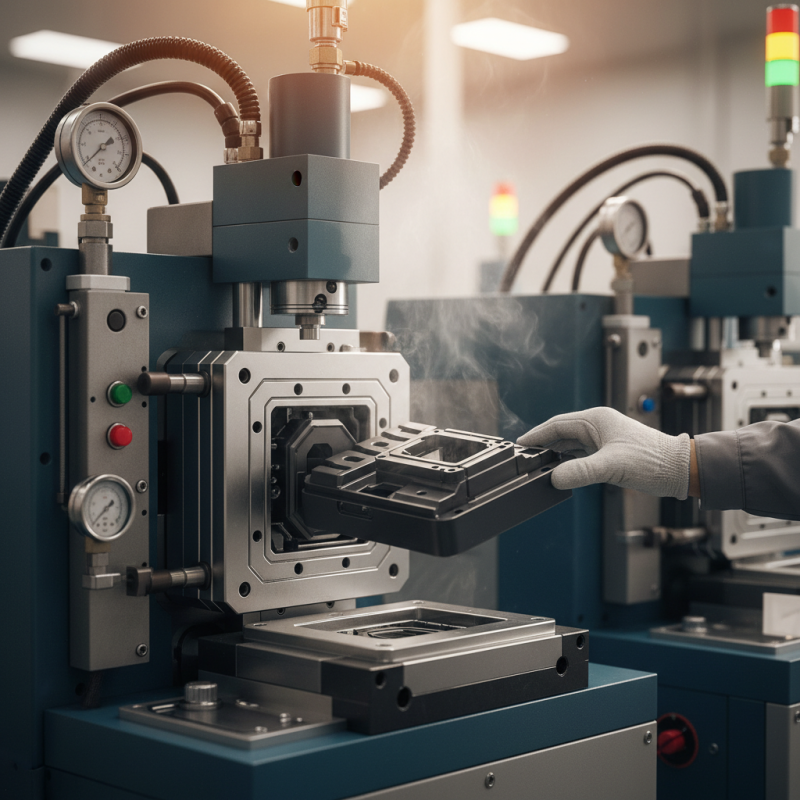
Understanding Low Pressure Injection Molding: Key Concepts and Benefits
Low pressure injection molding (LPIM) offers distinct advantages for various manufacturing projects. This method operates at reduced pressures, typically below 20 MPa, making it suitable for producing complex parts with intricate designs. According to a report from the American Society of Mechanical Engineers, LPIM can decrease material wastage by up to 30%. This efficiency helps to lower overall production costs and positively impacts sustainability.
One of the key benefits of LPIM is its capability to use a broader range of materials, including thermoplastics and some thermosets. By utilizing lower pressures, manufacturers can incorporate reinforcements like glass fibers without compromising part integrity. A study by the Society of Plastics Engineers highlights that LPIM achieves a surface finish comparable to traditional methods. Despite these advantages, not all projects may benefit from this approach. Engineers must consider the specific design requirements and production volumes before proceeding.
While the benefits of LPIM are significant, a few challenges remain. The initial setup time may be longer than traditional methods. Additionally, mold design must accommodate the flow characteristics of low-pressure materials. Understanding these factors ensures a smoother transition to using LPIM for your next project.
Understanding Benefits of Low Pressure Injection Molding
Assessing Material Compatibility for Low Pressure Injection Projects
When embarking on low pressure injection molding projects, assessing material compatibility is critical. Materials must meet specific requirements to ensure optimal results. According to industry reports, nearly 40% of production failures are due to improper material selection. Each material behaves differently under low pressure conditions, influencing both the final product's quality and durability.
It’s essential to consider factors such as thermal stability, viscosity, and adhesion properties. For instance, thermoplastics often provide suitable flow characteristics, while thermosets may exhibit superior strength. Compatibility testing can reveal unforeseen challenges. Small variations in material formulation can lead to significant defects. The compatibility matrix should be meticulously analyzed, as data shows that mismatched characteristics can reduce product lifespan by up to 30%.
In low pressure injection molding, it’s not just about choosing a material; it’s about understanding its interaction with the mold and the environment. Engaging with material specialists can uncover insights that standard guidelines may miss. Be prepared for potential trials and modifications. Maintaining flexibility in the design and material selection process can lead to innovative solutions. Ultimately, thorough assessments and ongoing adjustments can enhance the reliability of your project.
Evaluating Production Volume Requirements and Cost Efficiency
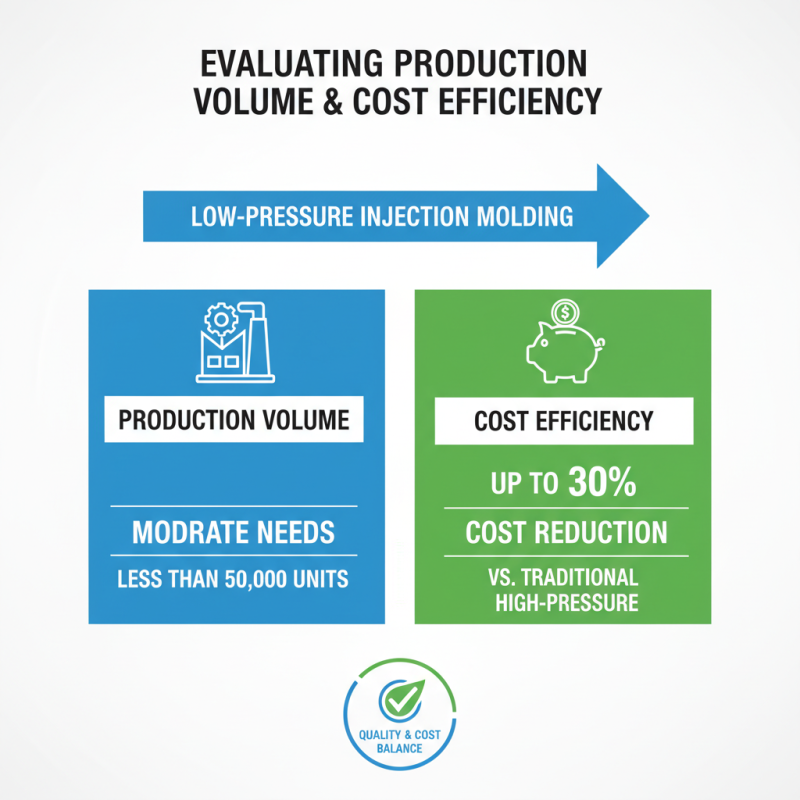
When considering low pressure injection molding, assessing production volume and cost efficiency is crucial. Industry studies indicate that low pressure processes can reduce overall production costs by up to 30% compared to traditional high-pressure methods. This makes it a viable option for projects with moderate production needs. For instance, projects requiring less than 50,000 units often find that low pressure systems offer a balance between quality and cost, allowing for competitive pricing while maintaining desirable product specifications.
A reliable report from the Plastics Industry Association reveals that low pressure injection molding excels in niche markets. It efficiently produces smaller batches without incurring substantial costs. Projects focused on specialized parts or prototypes can benefit heavily from this method. However, it is essential to evaluate your volume requirements accurately. Overestimating production needs could lead to unnecessary expenditures. On the other hand, underestimating may result in insufficient quantities, limiting marketability. Balancing these factors ensures your project remains both feasible and risk-averse.
Common Applications and Industries Utilizing Low Pressure Injection Molding
Low pressure injection molding is increasingly popular across various industries. Its ability to create complex shapes with reduced stress levels makes it ideal for delicate components. This method is heavily utilized in the automotive sector, where manufacturers value precision and lower production costs. A report from the Society of Plastics Engineers emphasizes that low pressure methods reduce material waste by up to 30%, enhancing sustainability efforts.
Medical device production also benefits greatly from this process. The biocompatibility and customizability of molded parts are critical in this field. Statistics indicate that the medical industry is projected to grow over 6% annually. Companies are eager to adopt low pressure injection molding techniques due to their potential for creating intricate designs while ensuring material integrity.
However, challenges do exist. The initial setup costs can be high and might discourage smaller businesses. Moreover, determining the right material and design parameters requires expertise. Engineers often need to refine processes through trial and error. The learning curve can be steep, but the potential rewards in terms of efficient production and lower costs are significant.