What is a Low Pressure Molding Machine and Its Benefits?
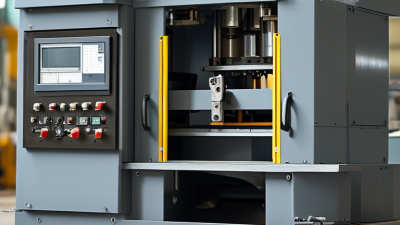
A low pressure molding machine plays a vital role in various manufacturing processes. This technology offers efficient and cost-effective solutions for encapsulating electronic components, providing protection against environmental factors. The machine operates at lower pressures, which reduces the risk of damage to delicate parts during production.
Using a low pressure molding machine can significantly enhance production efficiency. It allows for faster cycle times and greater precision in molding. Manufacturers benefit from lower material waste, improving overall sustainability. However, one must consider that the initial investment can be substantial. Long-term benefits often outweigh these costs.
Additionally, while the technology is reliable, it requires proper training for operators. Mistakes in the setup can lead to imperfect molds. Constant monitoring is essential to ensure product quality. In summary, the low pressure molding machine is a valuable asset, but its effectiveness hinges on proper usage and maintenance.
Definition and Overview of Low Pressure Molding Machines
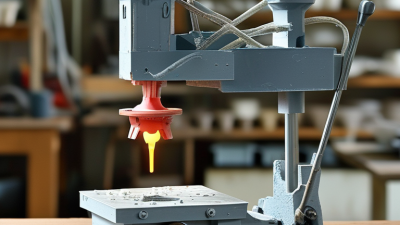
Low pressure molding machines are innovative devices primarily used in the manufacturing sector. They utilize lower pressures than traditional molding methods, typically ranging from 10 to 50 psi. This significantly reduces the risk of damage to sensitive components. These machines often employ thermoplastic materials and are designed to provide a smooth, accurate encapsulation process.
The key benefits of low pressure molding include enhanced safety and efficiency. Studies from industry reports indicate that nearly 70% of manufacturers see reduced cycle times using these machines. Lower temperatures and pressures mean less thermal stress on electronic components. This results in fewer defects and higher product quality. Moreover, the materials used are often eco-friendly, aligning with sustainable manufacturing practices.
Despite the advantages, challenges exist. Not all materials are suitable for low pressure molding. Manufacturers must carefully select their polymers. Some applications may require more strength than low pressure molding can provide. Understanding these limitations is crucial. Continued research is essential for improving techniques and expanding material options. This proactive approach can enhance the overall reliability of low pressure molding technology.
Key Components of a Low Pressure Molding Machine
Low pressure molding machines are vital in various manufacturing processes. They work by using lower temperatures and pressures to mold thermoplastic materials. This approach minimizes stress on components and materials, enhancing the overall quality of the finished product. Reliable reports indicate that the global low pressure molding market is expected to reach $1.2 billion by 2026, reflecting a CAGR of 8.5% from 2021.
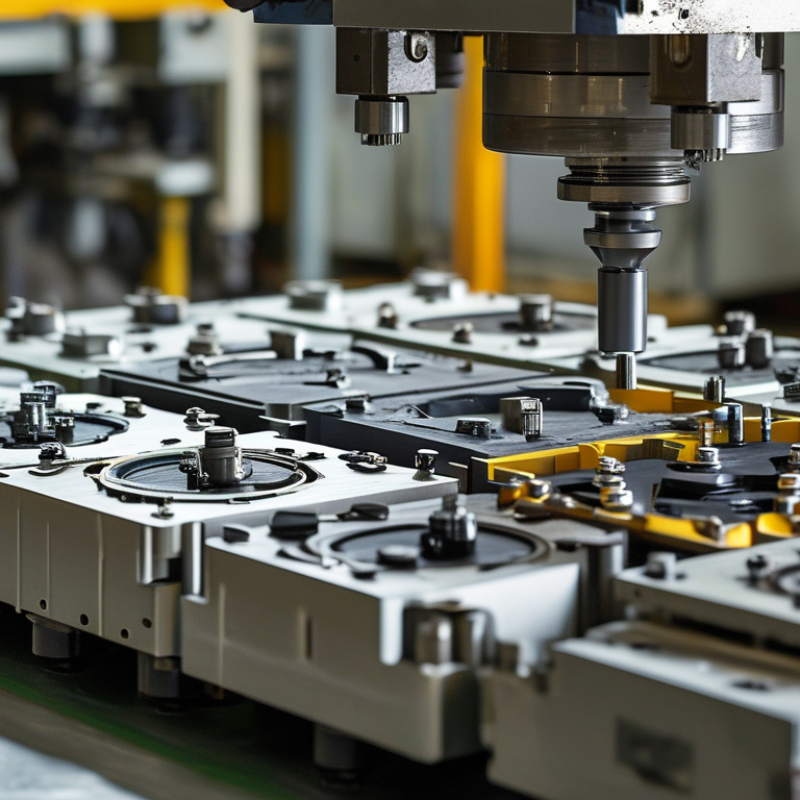
Key components of a low pressure molding machine include the injection unit, the mold, and the heating system. The injection unit is responsible for melting the material and injecting it into the mold. Materials typically used are polycarbonate and polyamide, known for their excellent thermal and mechanical properties. The mold design is crucial, as it dictates the final shape and dimensions of the part produced. A well-designed mold reduces waste and improves efficiency.
Moreover, the heating system must maintain precise temperature control. This is essential to ensure the molten material reaches the correct viscosity for optimal flow. An analysis highlights that improper temperature regulation can lead to defects in the final product. Companies must monitor temperature trends closely for quality assurance. While low pressure molding is efficient, the initial setup costs and maintenance can pose challenges.
Advantages of Low Pressure Molding in Manufacturing Processes
Low pressure molding machines are reshaping manufacturing processes. They offer unique advantages that can enhance production efficiency. One major benefit is their ability to reduce waste. Unlike traditional molding methods, low pressure molding uses less material. This leads to more cost-effective production.
The precision of low pressure molding is another key advantage. It allows for tight tolerances in complex shapes. This accuracy ensures a better fit for components, leading to improved product quality. Additionally, low pressure molding minimizes the risk of distortion, which is crucial for maintaining specifications.
When considering low pressure molding, focus on material selection. Certain materials may not perform well under low pressure conditions. Evaluate your product's requirements carefully. Also, always prioritize operator training. Skilled workers can maximize the benefits of the technology.
Incorporating low pressure molding can also streamline assembly processes. Parts produced through this method often integrate easily, reducing assembly time. Overall, the efficiency and precision offered by low pressure molding can significantly benefit manufacturers aiming for consistent and high-quality production.
Applications of Low Pressure Molding Technology
Low pressure molding technology is gaining traction in various industries. This process involves forming plastic parts under lower temperatures and pressures, which minimizes the risk of damaging delicate components. One of the primary applications is in the automotive sector. Here, low pressure molding encapsulates sensitive electronics, providing protection while maintaining performance integrity. The process creates a stronger bond than other molding methods, enhancing durability in harsh environments.
Another notable application is in healthcare. Medical devices often require robust but lightweight housings. Low pressure molding offers customized solutions with tight tolerances, essential for functionality. It allows for the integration of multiple materials into a single component. This versatility reduces assembly time and costs. However, manufacturers must stay informed about material compatibility. Choosing the wrong plastics can lead to long-term issues.
In the electronics industry, this technology shields circuit boards and components from moisture and mechanical damage. Low pressure molds provide excellent adhesion and can be molded in complex shapes. The process, however, may not be suitable for every project. Some applications may require traditional high-pressure methods for optimal results. Balancing these choices is crucial for achieving the desired outcomes in production.
Comparison with Other Molding Techniques and Their Benefits
Low pressure molding stands out in the molding industry due to its unique methodology. This technique uses lower temperatures and pressures, resulting in less stress on materials. As a result, it often leads to a more durable final product. Comparatively, traditional molding techniques like injection molding require higher temperatures and pressures, which can damage delicate components. This makes low pressure molding more suitable for sensitive parts.
When considering cost and time efficiency, low pressure molding shines. The shorter cycle times reduce energy consumption. In addition, this technique minimizes the need for post-processing, saving both time and labor costs. Traditional methods often involve multiple steps, making them more complex and expensive. However, it's essential to analyze specific project requirements before choosing a method.
It's also important to recognize the limitations of low pressure molding. While it is effective for many applications, not every product benefits from it. Some intricate designs may still require traditional methods. Gathering feedback from experienced professionals can provide insights on the best approach. It's wise to weigh the benefits and drawbacks of each molding technique carefully before making a decision.