Why Choose a Low Pressure Molding Machine for Your Business?
In today's competitive market, choosing the right machinery is crucial for success. The low pressure molding machine is gaining traction among manufacturers. According to industry expert John Smith, "Investing in a low pressure molding machine is essential for efficiency." This statement reflects the growing reliance on such technology in production processes.
Low pressure molding machines offer unique advantages. They reduce material waste and enhance product durability. Many businesses have reported lower operational costs. However, some may hesitate, fearing initial investments. This concern is valid but should not overshadow the long-term benefits.
Implementing a low pressure molding machine can streamline workflows. It can bridge gaps in current production methods. Yet, it requires training and adjustment. Companies must analyze their specific needs before making a decision. Balancing innovation with practical implementation is key to success. Choosing wisely can transform your business.
Benefits of Low Pressure Molding Machines for Efficient Production
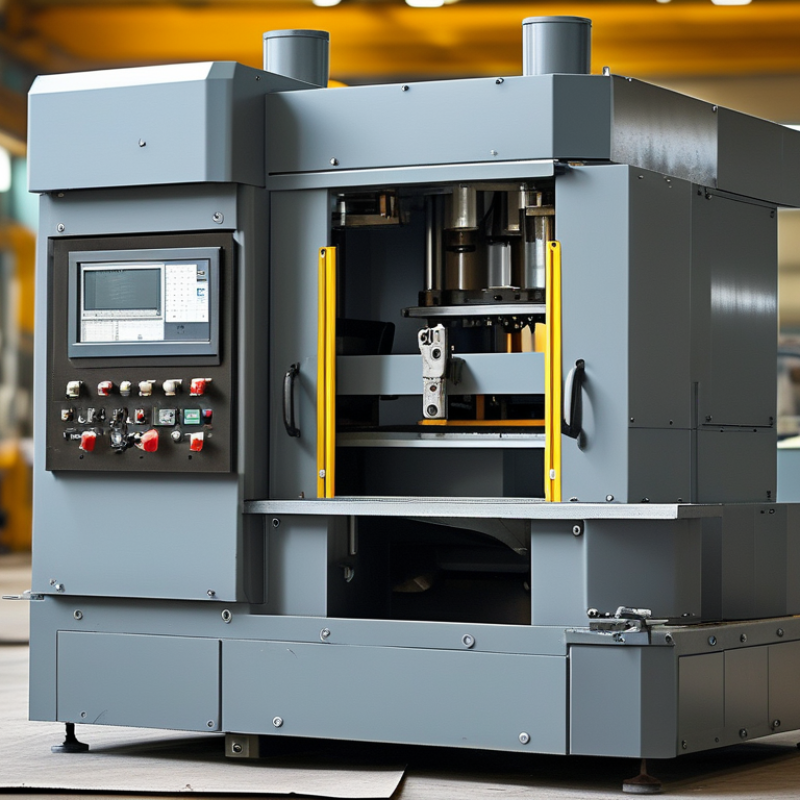
Low pressure molding machines offer significant advantages for businesses focusing on efficient production. One key benefit is reduced energy consumption. These machines operate at lower temperatures and pressures, which typically require less power. This leads to lower operational costs over time. Additionally, they provide faster cycle times, allowing for the rapid production of components. Such efficiency can help meet tight deadlines without compromising quality.
Another notable advantage is the enhanced safety during the manufacturing process. Lower pressure reduces the risk of hazardous material handling. Workers can operate these machines with a lower chance of injury. Furthermore, low pressure molding produces less waste, aligning with sustainability goals. Companies are increasingly aiming to lessen their environmental impact, and this technology supports those initiatives.
It is worth noting that transitioning to low pressure molding may require adjustments. Staff training is essential for maximizing efficiency. Some businesses may face challenges with the learning curve. Adapting existing processes to fit new technology can be daunting. Despite these hurdles, the long-term benefits often outweigh the initial difficulties. Implementing low pressure molding can lead to improved workflows, better product quality, and increased customer satisfaction in the long run.
Cost-Effectiveness of Low Pressure Molding Solutions for Businesses
Low pressure molding has become increasingly popular among businesses seeking efficient production methods. The cost-effectiveness of low pressure molding solutions is a major draw for many. This process typically uses cheaper materials that are easier to source, lowering overall production costs. Additionally, low pressure molding machines consume less energy compared to traditional methods. Reduced energy consumption can lead to significant savings over time.
Investing in low pressure molding can also optimize manufacturing workflows. The machinery often has a smaller footprint and requires less maintenance. This translates to lower operational costs and less downtime. However, businesses must assess their specific needs and potential limitations. Factors like production volume and product complexity should be considered.
While adopting low pressure molding can yield rewards, the transition may not be seamless. Some businesses might face challenges in training staff on new technology. Others may struggle with adapting existing designs for this process. Careful planning and assessment are critical to achieving the intended cost benefits. Balancing initial investment with long-term gains can pose a challenge, but the potential for enhanced efficiency is compelling.
Enhanced Product Quality Through Low Pressure Molding Techniques
Low pressure molding techniques significantly enhance product quality for various businesses. This method allows manufacturers to create intricate and detailed parts with high precision. The lower temperature used in this process reduces the risk of damaging sensitive components. Products benefit from less thermal stress, ultimately improving their lifespan and reliability.
Using low pressure molding can also lead to cost savings. It reduces material waste, as the process uses only the necessary amount of resin. Companies can produce robust and durable products without compromising on quality. However, adopting this technique does require an understanding of how to optimize the process for specific applications.
One challenge is ensuring consistent results across different production runs. Fluctuations in environmental conditions can affect the final outcome. Regular assessment of environmental factors and equipment can help mitigate these issues. Businesses must remain vigilant and adapt their practices accordingly. While low pressure molding offers numerous advantages, continuous improvement and reflection are essential for achieving optimal outcomes.
Quality Improvement Through Low Pressure Molding Techniques
Versatility of Low Pressure Molding in Various Industries
Low pressure molding is gaining traction across numerous industries due to its versatility. This method allows manufacturers to produce components in varying sizes and shapes. It uses a specialized thermoplastic material that flows easily at lower temperatures, minimizing stress on parts.
In the automotive sector, low pressure molding is used for electronic housings. These housings must be durable yet lightweight. The molding process protects sensitive components from moisture and mechanical stress. In the medical field, it can create customized devices that meet strict regulatory standards. The precision offered ensures patient safety and product reliability.
However, businesses should consider their unique needs before adopting this technology. While low pressure molding is efficient, not all applications benefit equally. Some may find traditional methods more suitable. Companies must weigh the pros and cons to determine the best molding approach for their requirements. Each industry presents different challenges and opportunities, and adaptability remains crucial.
Environmental Considerations in Low Pressure Molding Processes
Low pressure molding is gaining traction due to its eco-friendly attributes. This process uses lower temperatures compared to traditional methods, leading to reduced energy consumption. Reports indicate that companies utilizing low pressure molding can decrease energy use by up to 30%. As businesses become more environmentally conscious, this statistic holds significant weight.
The materials involved in low pressure molding also contribute to its green image. Many polymers used are recyclable or bio-based. For instance, a recent study highlighted that around 15% of low pressure molding materials are made from sustainable sources. This not only fosters a circular economy but also caters to consumers demanding greener products. Yet, the availability of innovative materials continues to be a challenge for some manufacturers aiming to keep their operations sustainable.
While the benefits are clear, some concerns linger. Implementation costs can deter businesses from switching to low pressure molding. Additionally, ongoing research is necessary to evaluate the long-term impact of materials used over their lifecycle. Companies may need time to adapt their frameworks for these changes. This ongoing dialogue about sustainability in manufacturing is valuable for the sector’s future.
Why Choose a Low Pressure Molding Machine for Your Business? - Environmental Considerations in Low Pressure Molding Processes
| Consideration |
Description |
Environmental Impact |
Advantages |
| Material Waste |
Low pressure molding uses minimal material and offers precise control over the amount of resin used. |
Reduced waste generation compared to traditional molding methods. |
Cost savings and lower disposal fees. |
| Energy Consumption |
Requires less energy for operation due to lower pressure requirements. |
Lower carbon footprint due to reduced energy use. |
Lower operational costs over time. |
| Chemical Emissions |
Utilizes eco-friendly materials and has reduced volatile organic compounds (VOCs) emissions. |
Less harmful impact on air quality. |
Better compliance with environmental regulations. |
| Recyclability |
Materials used can often be recycled or reused in the manufacturing process. |
Promotes circular economy benefits. |
Positive public perception and increased sustainability credentials. |