How to Choose a Thermoplastic Molding Supplier in 2026?

Choosing a thermoplastic molding supplier in 2026 is about more than unit price. The right partner can help turn a workable design into consistent parts, delivered on a schedule your team can trust. A poor fit may show up later as warped housings, short shots, uneven wall thickness, or production delays that seemed avoidable.

Start with the details that shape your part: resin grade, annual volume, dimensional tolerances, surface finish, and service conditions. Ask suppliers how they validate tooling, control process changes, and inspect initial and production parts. Their answers should be specific, not merely confident. Clear explanations of mold maintenance, sampling plans, and corrective action can reveal relevant experience. Details matter.

Price deserves scrutiny, but it rarely tells the whole story. Compare tooling ownership, lead times, material sourcing, capacity, communication, and the cost of changes after launch. Request relevant examples and review sample parts against your drawings and critical features. If a supplier cannot explain how a quoted cycle time or tolerance was established, ask about the assumptions behind it. Fit matters.

This guide outlines practical ways to evaluate a thermoplastic molding supplier, from technical capability to day-to-day reliability. It also acknowledges an uncomfortable point: no checklist can guarantee a smooth program. Requirements change, and even a capable supplier can miss something. A careful selection process makes risks easier to identify, discuss, and manage before production begins.

How to Choose a Thermoplastic Molding Supplier in 2026?

Define Your Thermoplastic Part and Production Requirements

Before comparing thermoplastic molding suppliers, define what the part must do. Record its dimensions, critical tolerances, operating temperature, and exposure to moisture or chemicals. A small clip used indoors has different needs from a housing exposed to heat and repeated handling. Note the resin requirements, but stay open to alternatives if performance data supports them. Your first estimate may still be wrong.

Tips: Share a marked-up drawing or 3D model, expected annual volume, and likely order sizes. Identify cosmetic surfaces and acceptable defects, such as minor gate marks. Ask how the supplier checks dimensions and documents material batches. Clear details make quotes easier to compare.

Describe the production process you expect, including prototype quantities and the target launch date. Ask whether tooling design, sample runs, and process adjustments are included in the proposed plan. For example, a thin rib may fill poorly, even when the part looks simple on screen. A capable supplier should explain the trade-offs and suggest a test, not promise perfection. Request sample parts made with the intended material, then review fit, finish, and measured dimensions. Keep a short list of must-haves and negotiable features; it helps prevent a low quote from hiding important gaps.
Compare Supplier Processes, Materials, and Technical Capabilities

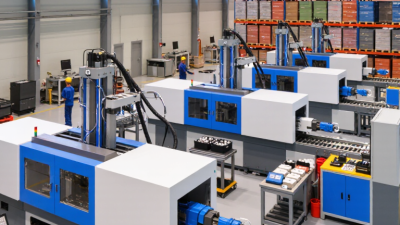
Choosing a thermoplastic molding supplier means comparing how its processes fit your part, not just its equipment list. Injection molding suits repeatable, detailed components at higher volumes. Thermoforming may work better for large, shallow shapes, while extrusion produces continuous profiles. Ask how the supplier handles draft angles, wall thickness, and expected production volume. A small design change can affect tooling cost and cycle time.

Compare material knowledge with the conditions your part will face. Request resin data for heat, impact, chemical exposure, and stiffness, then confirm the selected grade is available consistently. Discuss colorants, fillers, and recycled content; each can change flow or surface appearance. Ask for sample parts and inspection results. That matters.

Technical capability should include more than a machine’s stated tonnage. Look for mold-flow analysis, dimensional measurement, process monitoring, and documented change control. Ask how operators respond when a cavity produces a short shot or a dimension drifts. A polished capability list can still hide gaps, so review a relevant production example. I would not treat one successful sample as proof of stable output; repeatability across runs deserves attention too.

Assess Quality Systems, Certifications, and Regulatory Compliance

A thermoplastic molding supplier’s quality system should be visible in daily work, not just on a polished certificate. Ask how incoming resin is identified, stored, and matched to production lots. Request a sample inspection record for a molded part, including dimensions, inspection methods, and instrument calibration status. Can operators trace a finished shipment back to its resin lot and machine settings? They should be able to show the route. Look for controlled procedures, training records, corrective-action logs, and internal audit findings. A tidy binder is not enough.

Check certifications against the actual plant, process, and scope you plan to use. Confirm that each certificate is current and independently verifiable, then ask what happens when a process changes. Regulatory compliance depends on the product’s intended use and destination market. For food-contact, medical, electrical, or other regulated applications, request relevant material declarations and test evidence; do not rely on a generic claim. Ask who reviews updates and how supplier changes are approved. Small gaps matter. A compliant resin does not automatically make every molded component compliant. Review the evidence with your technical or regulatory team. One useful, uncomfortable question: can the supplier explain a failed inspection without simply blaming the operator?

Evaluate Total Cost, Lead Times, and Supply Chain Reliability

A low unit price can hide costs that appear later. Compare total cost across tooling, materials, setup, inspection, packaging, freight, and expected scrap. Ask suppliers to state the assumptions behind each quote. Resin prices, cavity count, and part tolerances can change the numbers. A detailed quote is useful, but it is not a guarantee.

Lead time should cover more than molding hours. Check the timeline for tooling, first-article review, production, inspection, and shipping. Ask for recent delivery performance and a schedule showing when each stage begins. For a molded housing, a delayed tool correction can push shipment by weeks. Small gaps matter. I would not treat a polished forecast as proof; it is still only a forecast.

Reliability depends on the supplier’s own capacity and its upstream sources. Ask how it handles resin shortages, machine downtime, and sudden demand changes. Confirm whether critical materials have qualified alternatives and how much finished stock can be held. A simple contingency plan, with named responsibilities and realistic response times, is more useful than a broad promise of uninterrupted supply. Check that reported performance can be supported with dated production and shipment records.

How to Choose a Thermoplastic Molding Supplier in 2026

Suggested evaluation weighting for comparing suppliers

Use these suggested weights as a starting point, then adjust them to match your project. Compare total cost of ownership—not just unit price—including tooling, material, scrap, logistics, and expected costs from delays or quality issues. Confirm quoted lead times, process capability, and backup plans with each supplier. These percentages are an evaluation framework, not market statistics.

Verify Supplier Fit Through Audits, Samples, and Contract Terms

How to Choose a Thermoplastic Molding Supplier in 2026?

A supplier’s presentation can look polished; the production floor tells a fuller story. During an audit, check resin storage, drying records, machine maintenance, and how operators handle rejected parts. Follow one work order from material receipt to packed components. Look for clear lot identification and documented process settings. A tidy tour is useful, but not proof. Verify the records.

Request samples made with the intended resin, color, tooling, and cycle conditions. Inspect dimensions, flash, sink marks, and surface consistency against your drawing. If the supplier offers only hand-picked samples, ask for parts from a normal production run. Small differences matter. They can signal unstable processing, though one sample cannot settle the question. Review corrective-action examples and response times, too.

Tips: Put audit access, sample approval, tolerances, change notifications, inspection frequency, delivery targets, and tooling ownership in writing. Define what happens when parts fail acceptance. Read payment and capacity terms carefully. A contract can be clear and still miss an awkward edge case; ask one more question before signing.

How to Choose a Thermoplastic Molding Supplier in 2026? — Verify Supplier Fit Through Audits, Samples, and Contract Terms
Evaluation Area Evidence to Request What to Verify Signs of a Strong Fit Warning Signs Suggested Weight
Quality system and audit readiness Current quality-system certificate, audit findings and corrective-action records, inspection procedures, and calibration records. Confirm that the certificate scope covers the proposed manufacturing site and relevant processes. Review how nonconformances are documented, investigated, and closed. Records are traceable, findings have owners and due dates, and corrective actions include checks for effectiveness. Expired or out-of-scope certificates, incomplete records, or repeated findings without documented follow-up. 20%
Process capability and production controls Process flow, control plan, work instructions, machine and material records, and capability data for agreed critical dimensions. Check that measurement methods, sampling plans, and acceptance limits match the part drawing and intended use. Review actual data rather than capability claims alone. Critical characteristics are identified and monitored, measurement equipment is suitable, and process changes are controlled. Capability figures with no supporting data, unclear inspection methods, or undocumented process adjustments. 15%
Material control and traceability Material specifications, supplier certificates or declarations where applicable, lot records, storage procedures, and regrind policy. Verify resin grade, colorants, additives, and approved substitutions against the specification. Confirm that incoming material lots can be linked to production and finished parts. Material identity and lot history are recorded, storage conditions are managed, and substitutions require written approval. Unapproved material changes, mixed or unlabeled stock, or no reliable link between resin lots and production batches. 12%
Sample and first-article approval Production-intent samples, dimensional inspection report, material documentation, and a defined approval record. Agree in writing on sample quantity, drawing revision, measurement points, acceptance criteria, and whether samples are made with production tooling and materials. Samples represent the intended production process, deviations are disclosed, and approval is documented before routine production. Hand-finished or non-production samples presented as production-equivalent, missing inspection data, or unclear revision control. 15%
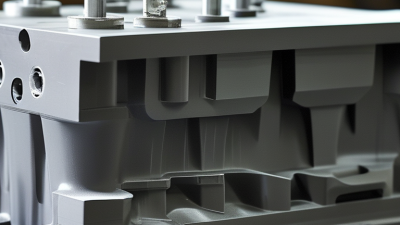
Tooling ownership and maintenance Tooling specification, maintenance schedule, repair history, storage conditions, and written ownership terms. Clarify who owns the mold, who may authorize modifications, how maintenance costs are handled, and how tooling is returned or transferred. Tool condition and maintenance are documented, responsibilities are assigned, and access or transfer terms are clear. Unclear ownership, undocumented repairs, or contract terms that restrict access to customer-owned tooling. 10%
Capacity, lead time, and continuity Capacity plan, quoted lead times, production schedule assumptions, backup arrangements, and business-continuity procedures. Check whether quoted timing accounts for tooling, material procurement, approvals, and production. Ask how shortages, equipment downtime, or site disruption are managed. Lead-time assumptions are transparent, capacity is supported by a production plan, and escalation paths are defined. Unqualified delivery promises, no visibility into constraints, or no communication plan for disruptions. 10%
Contract scope and change control Draft agreement, statement of work, drawing and specification references, pricing assumptions, and change-request process. Confirm that revisions, approved materials, inspection requirements, packaging, delivery terms, and acceptance criteria are unambiguous. Changes require written approval, responsibilities are assigned, and the contract identifies the controlling document revisions. Conflicting specifications, informal change approvals, or unclear responsibility for scrap, rework, and rejected parts. 10%
Warranty, liability, and dispute terms Proposed warranty language, defect-notification procedure, remedies, liability provisions, and dispute-resolution terms. Review obligations with qualified legal counsel. Ensure timelines, evidence requirements, corrective-action expectations, and remedies are practical for the product and market. Terms clearly define defect handling, investigation cooperation, corrective action, and responsibilities without relying on informal promises. Vague warranty scope, very short or impractical claim windows, or remedies that conflict with the agreed quality requirements. 8%
Total suggested evaluation weight 100%
Use this as a comparison framework, not as a universal certification checklist. Adapt the evidence and acceptance criteria to the part, material, application, and applicable regulations.