2026 Best Injection Molding Projects for Global Buyers
The right injection molding projects solve a production problem, not just a design challenge. Global buyers must weigh part function, resin choice, mold complexity, order volume, and delivery expectations. A compact electrical enclosure may need precise snap fits, while a reusable storage bin may depend more on impact resistance and cycle time. Details matter. Even a small change in wall thickness can affect cooling, shrinkage, and cost.
John Beaumont, an injection-molding engineer and author, is known for practical guidance on molding fundamentals. Paraphrasing that process-centered approach: “A dependable part is designed with its material, mold, and process in mind.” This guide compares project types through those connected decisions. It considers consumer products, automotive components, medical-device housings, packaging, and industrial parts, while noting where requirements differ. Buyers can use the examples to ask suppliers clearer questions about tooling, samples, tolerances, and production capacity. A polished sample is useful, but it does not prove stable production. That distinction is easy to miss.
The strongest project is not always the most technically ambitious. Sometimes a simpler geometry, a readily available resin, or a carefully planned mold layout offers better value. Trade-offs remain. No single project suits every market, and estimates depend on design details and supplier capabilities. These examples provide a practical starting point for comparing options and identifying what needs closer review before a production commitment.
What Injection Molding Projects Involve and How They Work
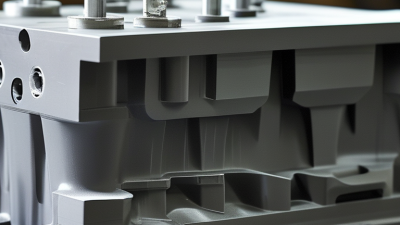
Injection molding projects turn a part drawing into a repeatable production process. Buyers define the material, dimensions, surface finish, annual volume, and acceptable defects. Engineers then review wall thickness, draft angles, and gate locations before designing the mold. Small details matter. A gate mark near a visible edge can become a costly surprise. The mold is machined, installed in a press, and tested through sample runs. Teams inspect dimensions and appearance, then adjust temperature, pressure, or cooling time. A stable sample is not the whole story.
The scale is substantial. Grand View Research valued the global injection molded plastics market at USD 284.5 billion in 2023 and projected 4.7% annual growth from 2024 to 2030. Its market report helps explain why buyers compare tooling cost, cycle time, and production capacity—not just unit price. In practice, a two-cavity mold may suit a moderate order, while a higher-volume project may justify more cavities and greater tooling expense.
PlasticsEurope reported global plastics production of 413.8 million tonnes in 2023 in its Plastics – the Fast Facts 2024 report. That figure covers plastics broadly, not injection molding alone.
Buyers should also request trial-part measurements, resin documentation, mold-maintenance plans, and clear revision records. Even careful planning misses things. A thin rib may warp after cooling, so the first design often needs another look.
Which Product Categories Are Best Suited to Injection Molding
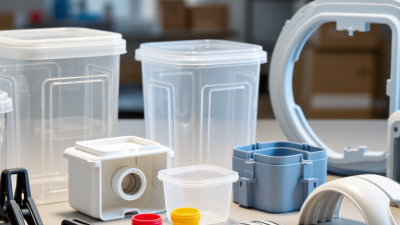
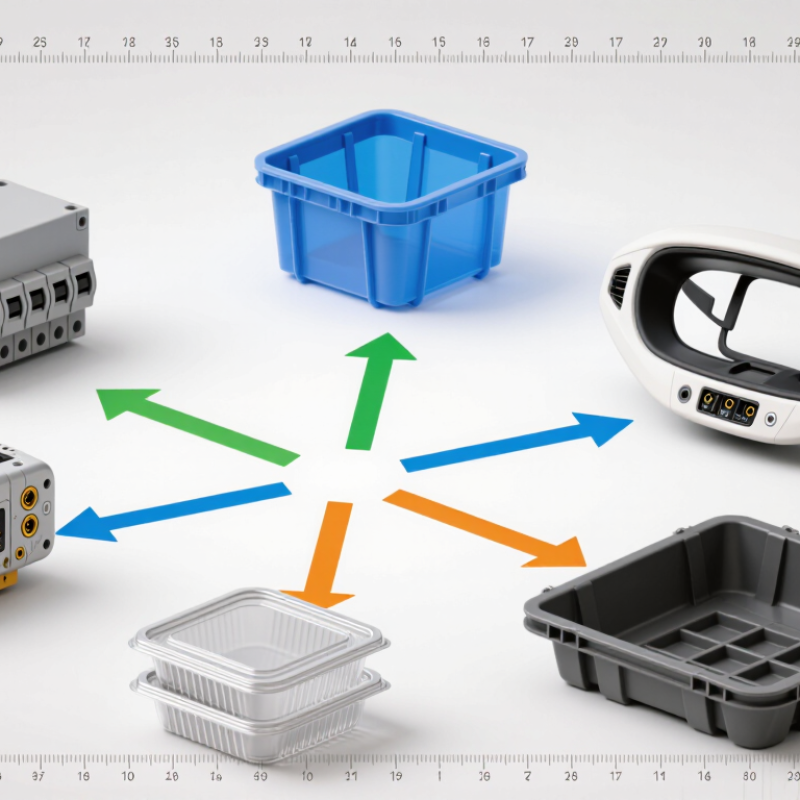
Injection molding suits products made in repeatable volumes, especially when each part needs consistent dimensions and a smooth finish. Enclosures for small appliances, electronic housings, storage containers, and reusable kitchen tools are common candidates. Their ribs, snap-fit tabs, and screw bosses can often be formed in one molded piece, reducing assembly steps. Fit matters.
Packaging components such as closures, dispensing caps, and rigid containers also benefit from fast cycle times. Buyers should compare resin choice, wall thickness, and expected annual volume before approving tooling. A cap that must seal reliably needs careful testing; a low unit price alone says little about long-term performance.
Industrial clips, cable-management parts, and equipment covers can work well when their geometry is stable and production runs justify a mold. Some consumer products also need soft-touch areas or multiple colors, which may require additional processes and tighter coordination. Medical-device components can be molded too, but material traceability, cleanliness, and validation requirements deserve early review. Small details count. I have seen teams overlook draft angles or gate marks until late samples arrive. That is an avoidable, but not rare, mistake. Favor categories with predictable demand, clear tolerances, and designs that can be tested before full production.
How to Evaluate Materials, Tooling, and Production Requirements
Material selection should begin with the part’s real working conditions, not a resin’s headline strength. A flexible clip may suit polypropylene, while a clear impact-resistant housing may need polycarbonate. Nylon can absorb moisture, so drying and storage affect dimensions and consistency. Check chemical exposure, operating temperature, appearance, and expected service life against supplier data sheets. Small test parts help, but they do not fully predict production behavior.
Scale matters. Grand View Research valued the global injection-molded plastics market at USD 330.91 billion in 2023 and forecast 4.6% annual growth through 2030. That broad market figure is context, not a project cost estimate. Tooling decisions still depend on volume, geometry, and tolerances. Review draft angles, wall thickness, gate position, cooling, and parting lines before approving a mold. Ask for a mold-flow review and confirm who owns maintenance and repair costs. Details get missed.
Production plans should include trial shots, dimensional checks, cycle-time targets, and a realistic scrap allowance. PlasticsEurope reported global plastics production of 413.8 million tonnes in 2023; this scale underscores why resin consistency and process control matter. Yet a polished forecast can hide uncertainty. Color shifts, material substitutions, and late design changes can disrupt a schedule. Record acceptable tolerances and sample-approval criteria in writing, then revisit them after the first production run.
How Global Buyers Compare Suppliers and Manage Sourcing Risks
For global buyers, an injection molding quote is only a starting point. Compare suppliers using the same part drawing, resin grade, annual volume, and inspection requirements. Ask for measured cycle times, mold-life assumptions, and dimensional records from comparable parts. A polished sample proves little if production shifts change the result. Paper claims aren’t enough.
Resilinc’s EventWatchAI 2023 report recorded 11,642 supply-chain disruption events, 38% more than in 2022. This does not predict a mold shop’s failure, but it makes backup capacity worth checking. Ask where resin is sourced, how alternate grades are validated, and how quickly replacement tooling can be arranged. The World Bank’s 2023 Logistics Performance Index assessed 139 economies using factors including shipment tracking and delivery timeliness. Buyers should therefore compare actual shipping routes, customs experience, and lead-time history—not just factory distance. Request a recent production schedule and traceability example, then verify them against a live order. Measure twice. A useful supplier scorecard can include quality escapes, response time, tool maintenance, and freight variability. Some assumptions will still be wrong; revisit them after the first production run, when real scrap and delivery data appear.
2026 Best Injection Molding Projects for Global Buyers
How Global Buyers Compare Suppliers and Manage Sourcing Risks
Material shrinkage affects part dimensions and tooling decisions. These typical ranges vary by resin grade, part geometry, mold design, and processing conditions; buyers should confirm the exact resin datasheet and validate dimensions with the selected supplier before production.
Reference: typical thermoplastic design-guide ranges; values are indicative, not a guarantee for a specific grade or project.
How Quality Control and Logistics Shape Project Success
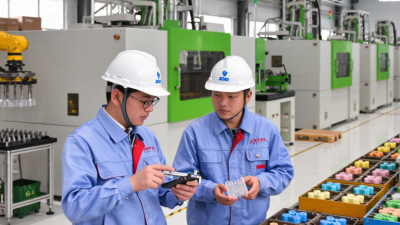
For global injection molding projects, quality control begins before the first production run. Buyers should approve resin specifications, color samples, critical dimensions, and inspection criteria in writing. A first-article check can reveal warpage around ribs or sink marks near thick sections. Small flaws matter. Still, inspection plans can miss problems when sampling is too sparse or measurements vary between shifts.
The American Society for Quality’s quality-cost guidance puts poor-quality costs at roughly 15–20% of sales, though actual costs differ by operation. That benchmark shows why buyers should track scrap, rework, and rejected parts—not just unit price. Ask suppliers to share process capability results, inspection records, and corrective actions. For critical dimensions, agree on gauges and measurement methods before tooling approval. A polished report is not proof by itself.
Logistics can undo good production planning. The World Bank’s 2023 Logistics Performance Index assessed 139 economies across factors including customs, infrastructure, tracking, and timeliness. For molded parts, confirm packaging, carton quantities, shipment milestones, and contingency stock early. A late container can leave an assembly line waiting, even when every part passed inspection. Build buffer time into launch plans. We sometimes underestimate it. Quality teams and logistics partners should review the same shipment and defect data; otherwise, delays and recurring damage may be blamed on the wrong step.