Top Low Pressure Injection Molding Machine Benefits for Buyers?
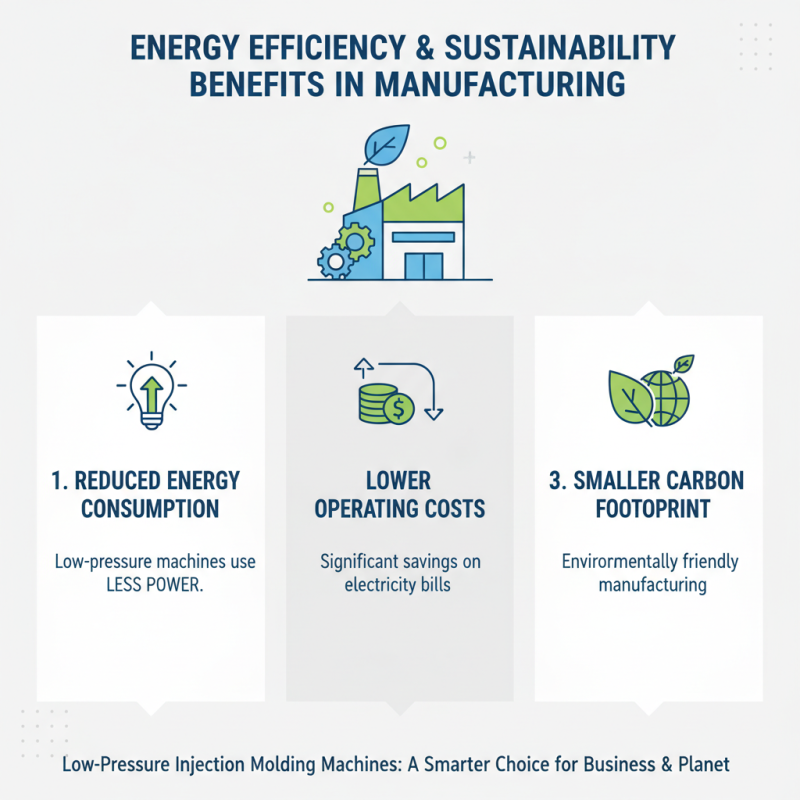
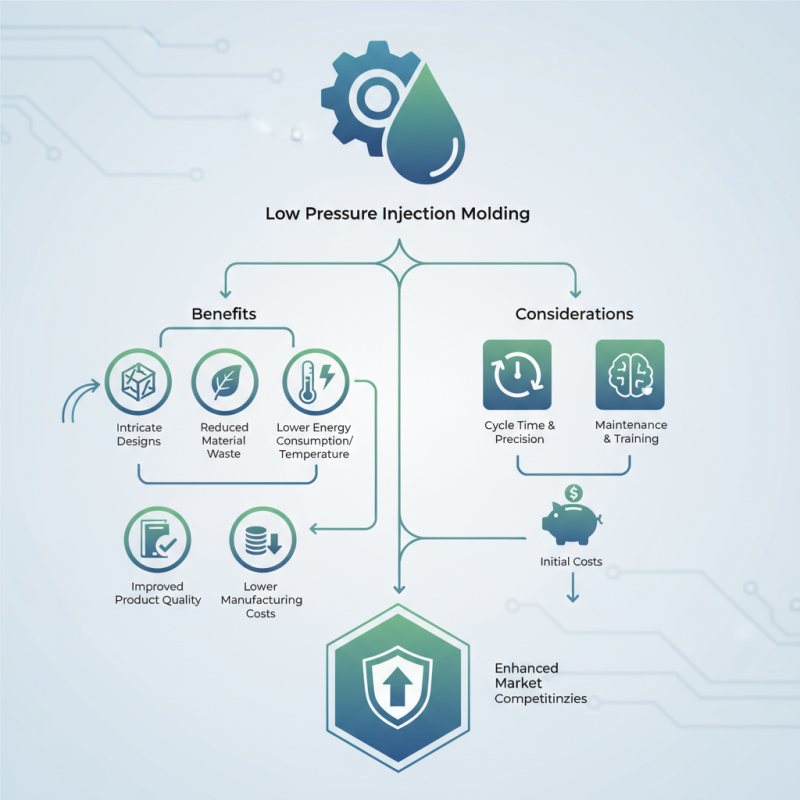
Investing in a low pressure injection molding machine can significantly impact production efficiency. This technology offers numerous advantages that buyers should consider. It allows for the creation of intricate designs with reduced material waste. Moreover, it operates at lower temperatures, minimizing energy consumption.
However, not all machines present the same benefits. Buyers must assess specific features, such as cycle time and precision. Understanding these aspects can lead to better decision-making. Many companies report improved product quality and lower manufacturing costs after switching to low pressure systems.
Nonetheless, it's crucial to acknowledge potential drawbacks. Maintenance and training may be required to maximize benefits. Additionally, initial costs can be a concern for some businesses. Recognizing these factors can lead to informed investment choices. Embracing the advantages of low pressure injection molding can ultimately enhance competitiveness in the market.
Understanding Low Pressure Injection Molding Machines
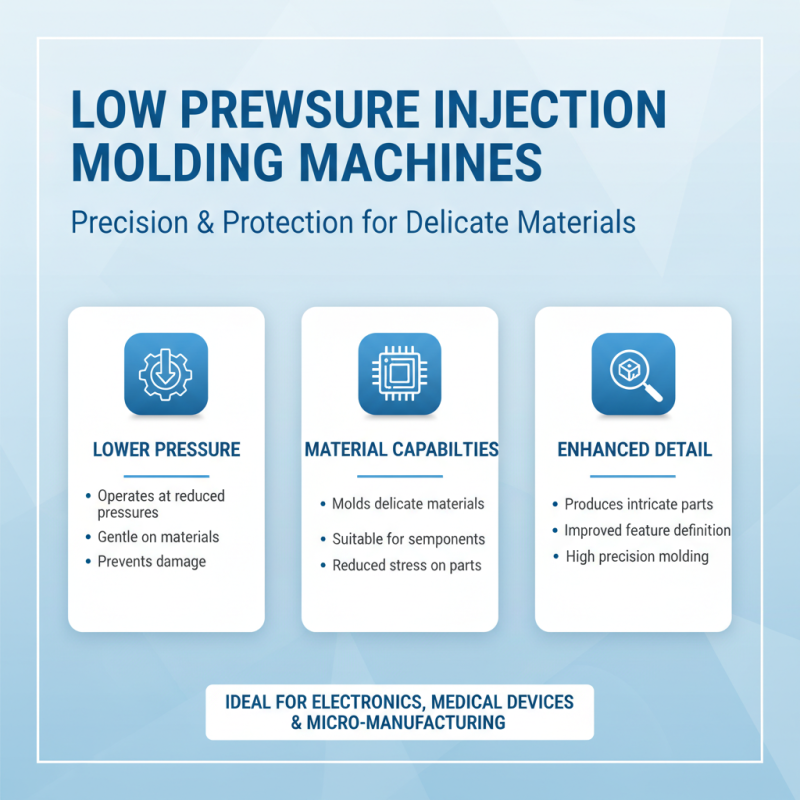
Low pressure injection molding machines have gained popularity for several reasons. These machines operate at lower pressures compared to conventional ones. This capability allows for precise and delicate materials to be molded without risking damage. Industries appreciate their ability to produce intricate parts with enhanced detail.
The design of low pressure machines typically includes a simple and efficient layout. This simplicity can lead to reduced maintenance requirements. However, buyers must consider the potential trade-offs. For instance, the production speed may be slower than high-pressure counterparts. Additionally, navigating the initial setup can pose challenges for some users. Despite these considerations, many find the benefits worth the effort.
Understanding these machines helps buyers make informed choices. The technology behind low pressure injection molding is advancing. Buyers should explore the potential applications in their operations. Conducting thorough research is essential before making a purchase. It's important to weigh the pros and cons, ensuring the choice aligns with production needs.
Key Advantages for Cost-Efficient Production
Low Pressure Injection Molding Machines offer significant benefits for cost-efficient production. With reduced material waste and lower energy consumption, these machines optimize the manufacturing process. They create parts with fine details and a smooth surface finish. This precision leads to less rework, saving both time and resources.
Investing in low-pressure technology can also minimize operational costs. A well-configured machine requires fewer operators. This optimization reduces labor costs while maintaining high production rates. However, buyers must carefully assess their specific production needs to ensure the machine's capabilities align with their goals.
Tips for a successful purchase include evaluating the machine’s specifications and performance history. Consider production volume and material types you plan to use. Seek insights from industry experts on machine maintenance and operation. A good choice now could lead to savings and efficiency down the road.
Improved Quality of Molding with Low Pressure Techniques
Low pressure injection molding techniques have gained traction in the manufacturing industry. These methods offer significant improvements in molding quality. By utilizing lower pressure, the risk of defects decreases, resulting in a cleaner and more precise finish. This process reduces material wastage as well, ensuring that resources are used efficiently.
The careful control of pressure and temperature enhances the flow of materials. It allows for complex designs with intricate details. Manufacturers find that even delicate components can maintain dimensional accuracy.
However, not all projects may benefit from low pressure techniques. Understanding the specific requirements of each project is crucial. Sometimes, businesses may need to balance speed and quality.
Investing in low pressure injection molding equipment can seem daunting. Buyers must consider initial costs and operational demands. Weighing the benefits against potential challenges can help in making informed decisions. While the promise of superior quality is compelling, it’s essential to reflect on the overall production goals before adapting new technologies.
Enhanced Material Versatility in Low Pressure Molding
Low pressure injection molding (LPIM) has emerged as a versatile solution in manufacturing. This process allows companies to work with a broad range of materials, enhancing product design options. Reports indicate that LPIM can accommodate materials such as thermoplastics, elastomers, and even some thermosets. This flexibility can lead to innovations in product creation, from automotive components to consumer goods.
The unique advantages of low pressure molding lie in its ability to handle delicate and complex geometries. According to industry data, LPIM typically operates at pressures below 1,000 psi. This significantly reduces the risk of damaging intricate parts, making it ideal for applications in industries like electronics and medical devices. As a result, designers can pursue more daring and creative designs without fear of compromising material integrity.
However, as with any technology, there are limitations to consider. The initial investment in LPIM machinery can be high. Additionally, not all applications may benefit from low pressure; specific materials may require traditional molding techniques. Therefore, potential buyers must conduct in-depth analyses to determine if LPIM aligns with their manufacturing goals. Understanding these nuances is vital in harnessing the full potential of low pressure injection molding.