How to Choose the Best Mold Solution for Your Business
Choosing the right mold solution can determine product quality, delivery speed, and long-term manufacturing cost. It is not simply a supplier comparison. It requires evidence from materials, cycle times, maintenance records, and production trials.
Grand View Research reports that the global injection-molded plastics market continues to expand, driven by automotive, medical, packaging, and consumer products. Deloitte’s 2023 Smart Manufacturing and Operations Survey found that 86% of manufacturing leaders expect smart manufacturing to become a major competitiveness driver within five years. These findings matter. A modern mold solution should support repeatable production, sensor-based monitoring, efficient cooling, and reliable data collection. However, market growth does not guarantee a suitable tool for your factory.
Injection-molding specialist John Bozzelli often stresses, “You cannot control what you do not measure.” That principle should guide your evaluation. Ask potential suppliers for dimensional capability studies, steel specifications, expected tool life, maintenance intervals, and documented case experience. Examine the cooling layout, venting design, ejection system, and compatibility with your existing machines. A lower initial quotation may hide slower cycles, difficult repairs, or excessive material waste. The cheapest option can become expensive.
No framework is flawless. Your actual resin, geometry, annual volume, tolerance requirements, and operator skills may change the decision. Run a controlled pilot when possible. Compare cycle stability, part consistency, scrap rates, and service response. A dependable mold solution should fit your process, not merely look impressive in a proposal. Credible decisions come from measurable performance, transparent assumptions, and a willingness to revise the plan when production evidence disagrees.
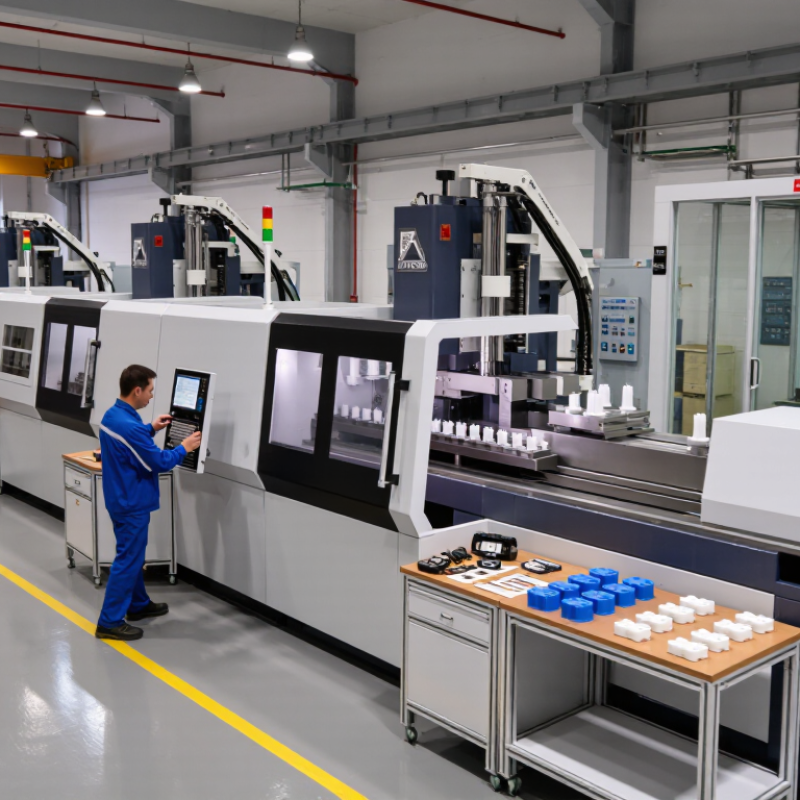
Defining Your Business’s Mold Requirements
Choosing the best mold solution starts with defining your business’s actual requirements. A mold that works for ten prototypes may fail during continuous production. Record your expected volume, material type, product dimensions, and tolerance limits. Include details such as a 0.2-millimeter wall variation or a textured surface that must remain consistent.
Your production environment also matters. Check available machinery, cooling capacity, operator skills, and maintenance time. A complex mold may deliver excellent detail but create longer setup periods. A simpler design might reduce downtime and training costs.
Review previous defects, including flash, warping, short shots, or uneven surfaces. These records reveal practical needs better than assumptions. However, internal data is sometimes incomplete. Be willing to question it.
Tips:
Speak with operators before choosing a solution. They notice problems others miss. Ask suppliers for material compatibility data, service expectations, and realistic cycle estimates. Request sample testing when surface quality or tight tolerances matter. Calculate total operating cost, not only the initial price. Include cleaning, repairs, storage, and replacement parts. A written requirement sheet can prevent small misunderstandings from becoming expensive production delays.
Comparing Mold Materials, Designs, and Manufacturing Methods
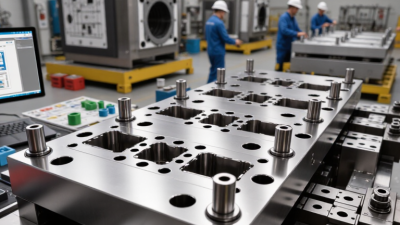
Choosing the best mold solution starts with the material, design, and manufacturing method. Each choice affects cycle time, product quality, and maintenance costs. Steel molds usually support long production runs and repeated polishing. Aluminum molds are lighter, faster to machine, and useful for prototypes or limited batches. However, softer materials may wear sooner than expected.
Design details matter just as much. A practical mold should include suitable draft angles, balanced cooling channels, and reliable ejection points. Poor venting can leave burn marks or trapped air on the part. I have seen teams focus on cavity count while ignoring maintenance access. That decision saved space, but it created longer cleaning intervals. Small design compromises can become expensive later.
Tips:
Match the mold material to expected volume, resin type, and surface requirements. Compare CNC machining, electrical discharge machining, and additive manufacturing before choosing a process. Ask for dimensional inspection records and sample parts. Check how easily inserts, vents, and cooling components can be replaced. Do not trust a perfect computer model alone. Real trials reveal warpage, flash, and uneven filling. Keep those findings in the final specification.
Evaluating Supplier Expertise, Quality, and Production Capacity
How to Choose the Best Mold Solution for Your Business
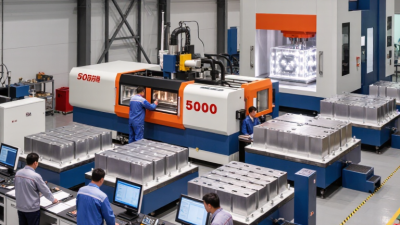
Supplier expertise should be judged through evidence, not polished presentations. Ask how the team handles draft angles, wall thickness, cooling channels, and difficult parting lines. Experienced engineers should explain their decisions in clear production language. Request previous project examples with similar materials, tolerances, and expected cycle times. A supplier that only discusses price may overlook maintenance costs later. In practice, small design changes can prevent flash, sink marks, and repeated mold repairs.
Quality needs measurable proof. Review steel certificates, dimensional inspection reports, mold-flow analysis, and trial records. Ask whether critical dimensions are checked with calibrated equipment. Inspect sample parts under consistent lighting, especially around textured surfaces and thin ribs. A clean first sample is encouraging, but it does not prove long-term stability. A common evaluation mistake is trusting appearance before reviewing process data. No supplier is flawless. Their response to a detected issue matters greatly.
Tips: Check production capacity before signing. Confirm machine sizes, available shifts, tooling equipment, and backup resources. Ask for a realistic schedule during peak demand, not only the best-case estimate. Visit the facility when possible. Observe material storage, inspection areas, maintenance records, and work-in-progress controls. Also clarify who approves design changes and how revisions are documented. Vague answers can become expensive delays.
Calculating Total Costs, Lead Times, and Long-Term Value
Choosing the best mold solution requires more than comparing quoted prices. Build a total-cost model covering design, tooling, sampling, freight, maintenance, scrap, and downtime. The American Society for Quality reports that poor quality can consume 15–20% of sales. For a business generating $500,000 annually, that exposure could reach $75,000. That figure is sobering.
Ask for a timeline from design freeze to validated production, not only a promised delivery date. Include steel preparation, machining, trials, corrections, and approval cycles. The 2023 World Bank Logistics Performance Index evaluated 139 economies and highlighted major differences in supply-chain reliability. A mold arriving ten days late can delay product launch, customer testing, and factory scheduling. Calculate the daily cost of that delay. Days become expensive.
Long-term value depends on repeatability and maintainability. Check cooling performance, spare-part access, expected cycle life, and inspection records. U.S. Department of Energy guidance notes that compressed-air leaks can waste 20–30% of compressor output, reminding us that small operating losses accumulate. The same principle applies to molds. A cheaper tool may create more flash, longer cycles, or frequent polishing work. However, a premium solution is not automatically better. I have seen specifications become too complex for the actual production volume. Review real output, not impressive paperwork. Choose the solution that protects quality, lead time, and cash flow together.
How to Choose the Best Mold Solution for Your Business - Calculating Total Costs, Lead Times, and Long-Term Value
| Mold Solution |
Best-Fit Production Profile |
Initial Tooling Cost
(USD) |
Engineering & Sampling
(USD) |
Estimated Lead Time
(Weeks) |
Expected Tool Life
(Shots) |
Annual Volume
(Parts) |
Estimated Unit Cost
(USD) |
Annual Maintenance
(USD) |
Five-Year Total Cost
(USD) |
Five-Year Cost per Part
(USD) |
Overall Value
Score |
| Prototype or Soft Tooling |
Product validation, design changes, and low-volume launches |
$8,000 |
$2,500 |
4 |
10,000 |
5,000 |
$2.80 |
$500 |
$85,000 |
$3.40 |
58 |
| Standard Production Mold |
Stable designs with moderate recurring production demand |
$24,000 |
$4,000 |
8 |
100,000 |
25,000 |
$1.20 |
$1,200 |
$185,000 |
$1.48 |
86 |
| High-Durability Production Mold |
High-volume programs requiring consistent quality and low downtime |
$46,000 |
$6,500 |
12 |
500,000 |
75,000 |
$0.78 |
$2,000 |
$361,500 |
$0.96 |
94 |
| Multi-Cavity Production Mold |
Very high volume where cycle efficiency and throughput are priorities |
$82,000 |
$10,000 |
16 |
750,000 |
150,000 |
$0.42 |
$3,500 |
$460,500 |
$0.61 |
91 |
Calculation basis:
Five-year total cost includes initial tooling, engineering and sampling, five years of maintenance, and production cost for the stated annual volume.
The formula used is:
Five-Year Total Cost = Initial Tooling + Engineering & Sampling + (Annual Maintenance × 5) + (Annual Volume × Unit Cost × 5).
Values are planning estimates in USD and should be replaced with supplier quotations, confirmed cycle times, material costs, freight, duties, validation expenses, and actual maintenance schedules before final approval.
Selecting and Validating the Right Mold Solution
Choosing a mold solution starts with the part, not the equipment. Define the resin, expected volume, tolerances, surface finish, and cooling limits. Then map the process from material drying to ejection. A solution that looks efficient on paper may create flash, warping, or long cycle times. Ask for measurable evidence, not confident promises. Supplier experience matters, but your own production data matters more.
Request sample parts made with comparable geometry and resin. Inspect gate marks, weld lines, dimensions, and release behavior. Run a controlled trial using the intended machine, settings, and operators. Record cycle time, scrap rate, pressure, maintenance needs, and operator feedback. Do not approve one excellent sample. Repeat the test across several cycles and, when possible, different shifts. An honest validation plan includes failure conditions. I have seen teams ignore minor sticking because the first trial looked clean. That shortcut later became downtime.
Tips: Build a simple scorecard before comparing solutions. Include cost, lead time, service access, expected tool life, and process stability. Ask for inspection records and clear acceptance criteria. Keep a few spare samples from the trial. They reveal changes later. Leave room for doubt; early assumptions are often wrong. Review the results with production, quality, and maintenance staff before approval.