Choosing the right injection molding mold manufacturer can determine whether a product reaches the market smoothly or stalls during production. This decision affects part quality, cycle time, maintenance costs, and delivery reliability. A polished website is not enough. Buyers need evidence from real projects.
John Bozzelli, a respected injection molding consultant, has stated, “The mold is the heart of the injection molding process.” That practical observation remains highly relevant. A well-built mold should produce consistent parts, manage cooling efficiently, and withstand repeated cycles without excessive wear. Manufacturers must also show technical depth through steel selection, cavity design, mold-flow analysis, surface finishing, and dimensional inspection.
Small details matter.
This guide examines leading injection molding mold manufacturers through measurable criteria. These include engineering capability, tooling precision, quality systems, production capacity, after-sales support, and experience with complex materials. Sample parts, inspection reports, trial records, and maintenance plans can reveal more than promotional claims. A manufacturer producing automotive components may not suit a medical housing project. Fit matters.
There is no universal winner. Rankings can overlook regional service, communication delays, or a supplier’s ability to handle design changes. That weakness deserves attention. Even experienced buyers sometimes focus heavily on the initial quotation and underestimate long-term maintenance costs. Our comparison therefore considers practical performance, not only price or reputation. It also recognizes that supplier data may change, and independent verification remains necessary before signing a contract.
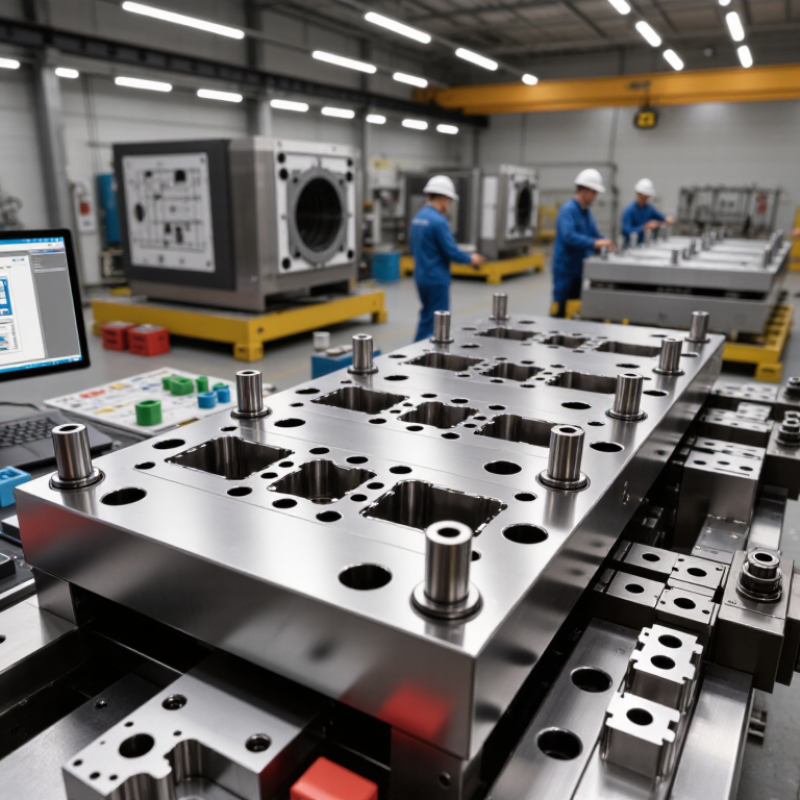
Injection molding is a manufacturing process that turns heated plastic into repeatable parts. Plastic pellets enter a heated barrel, soften, and move through a screw. Pressure then pushes the material into a closed mold cavity. After cooling, the mold opens and releases the finished component.
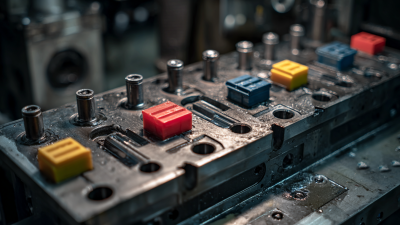
Small details matter. Mold design controls cooling speed, part accuracy, surface quality, and production time. Proper venting prevents trapped air from creating burns or incomplete filling. Ejector pins must remove the part without leaving damaging marks. Experienced mold manufacturers study wall thickness, shrinkage, tolerances, and expected production volume before cutting steel. Their work begins long before the machine starts.
The right manufacturer also supports testing and correction. Trial runs can reveal warping, flash, sink marks, or difficult ejection. These problems are expensive when discovered after mass production begins. Reliable suppliers provide inspection records, material information, maintenance guidance, and clear revision control. Quality systems and skilled technicians add practical confidence, but paperwork alone proves little. A factory may appear efficient while missing communication details. That risk deserves attention. I would ask for sample reports, mold trial evidence, and realistic delivery terms. No mold is perfect. A thoughtful manufacturer admits limitations, explains likely failures, and improves the design before those failures reach the production floor.
| Evaluation Dimension | Relevant Fact | Why It Matters | What to Verify |
|---|---|---|---|
| Process understanding | Injection molding heats plastic material, injects it into a closed mold, cools it until it solidifies, and ejects the finished part. | Mold design affects how material fills, cools, and releases from the tool. | Experience with the intended part geometry and molding process. |
| Core and cavity design | A mold commonly uses a cavity side and a core side that meet to form the part’s shape. | The parting line, draft, and release design influence part quality and ejection. | Design reviews, parting-line plan, and draft analysis. |
| Tool material | Tool steel and aluminum are both used for injection molds; the appropriate choice depends on factors such as production needs, resin, and tool design. | Material selection can affect tooling cost, machining time, maintenance, and expected service life. | Specified tool material, heat treatment where applicable, and maintenance plan. |
| Cavity configuration | A mold may use one cavity or multiple cavities to produce one or more parts per molding cycle. | Cavity count affects output, tooling complexity, and the need for balanced filling. | Cavity layout, production forecast, and fill-balance plan. |
| Cooling system | Cooling channels remove heat from the mold; cooling is an important part of the molding cycle. | Cooling design can influence cycle time and dimensional consistency. | Cooling-channel layout and temperature-control requirements. |
| Gating and venting | The gate directs molten material into the cavity, while vents provide paths for displaced air to escape. | Their design can affect filling, surface appearance, and common molding defects. | Gate location, venting approach, and proposed defect controls. |
| Part tolerances | Achievable dimensions depend on design, material, tooling, and molding conditions; there is no single tolerance that applies to every molded part. | Clear, achievable tolerances support fit, function, and quality control. | A dimensioned drawing and an agreed inspection plan. |
| Validation and production readiness | A mold should be tested with the intended material and molding conditions before production requirements are finalized. | Trials can reveal issues with filling, ejection, dimensions, or part appearance. | Trial records, sample-part approval, and documented corrective actions. |
| Manufacturer comparison | There is no universal ranking of mold manufacturers that suits every project. Compare documented capabilities, relevant experience, tooling specifications, validation methods, delivery commitments, and support requirements against the needs of the part and production plan. | ||
Choosing a top injection molding mold manufacturer requires more than comparing prices. Evaluate proven experience with your part type, resin, mold size, and expected production volume. Request sample projects, dimensional reports, and photographs of completed tooling. A capable manufacturer should explain steel selection, cooling layout, gate placement, ejection, and expected mold life in clear language.
Inspect the manufacturer’s process. Do engineers review your CAD file before quoting? Can they identify thin walls, sink marks, weld lines, or difficult draft angles? Modern CNC machining, electrical discharge machining, and coordinate measuring equipment support accuracy, but equipment alone proves little. Ask how inspection results are recorded and corrected. Reliable teams also provide trial-shot samples, maintenance guidance, and realistic delivery updates. I have found that fast replies do not always mean strong engineering. Careful questions matter more.
Tips: Ask for a mold-flow review and a written tolerance plan. Visit the facility if possible. Observe material storage, machining discipline, and inspection routines. Confirm who owns the mold, how design changes are approved, and what happens when the first trial fails. No mold is perfect. A manufacturer’s response to defects often reveals more than its sales presentation.
Leading injection molding mold production is no longer defined by factory size alone. The strongest manufacturers combine precision machining, mold-flow analysis, automated inspection, and disciplined maintenance. Grand View Research’s 2024 analysis estimates the global injection molding machine market will expand at about 4.6% annually through 2030. That growth increases demand for durable molds, especially in automotive, medical, packaging, and electronics production.
The leading companies are usually specialized engineering manufacturers rather than general metalworking shops. They build multi-cavity molds, hot-runner systems, thin-wall packaging molds, and high-cycle tooling. Their workshops often use five-axis machining, coordinate measuring machines, and digital production records. A serious supplier should report steel grade, cavity balance, cycle testing, and expected service intervals. Vague promises are a warning sign.
Regional strength still matters. Asia remains a major manufacturing center because of its integrated supply chains and competitive tooling capacity. Europe and North America remain influential in medical, automotive, and high-tolerance applications. PlasticsEurope reported global plastics production of about 400 million tonnes in 2022, showing the scale behind continued mold demand. However, production volume does not prove quality. I would examine trial-shot data, dimensional reports, and after-sales response before selecting a supplier. This step is often underestimated. Some industry rankings also rely on revenue estimates, not verified mold performance, so buyers should treat them carefully.
Top injection molding mold manufacturers serve far more than general consumer products. Their tooling supports automotive dashboards, medical housings, food containers, electronic connectors, and aircraft interior components.
MarketsandMarkets projects the injection molding machine market to grow from about USD 12.3 billion in 2023 to USD 16.2 billion by 2028. That expansion reflects rising demand for repeatable, high-volume production.
Medical applications require tight cavity control, cleanroom-compatible materials, and traceable inspection records.
Automotive programs demand durable molds for large panels, clips, lighting parts, and under-hood components.
Packaging manufacturers prioritize short cycles and lightweight containers.
Electronics producers need tiny cavities, precise vents, and stable tolerances.
The 2024 Fortune Business Insights medical injection molding analysis also identifies aging populations and device production as major growth drivers.
Experienced mold manufacturers often support design-for-manufacturing reviews before cutting steel. They check wall thickness, shrinkage, cooling channels, ejection marks, and expected production volume.
A technically impressive mold can still fail if maintenance access is poor. This is where supplier experience matters.
Data from different market reports varies because some include machines, tooling, or finished plastics. That inconsistency deserves attention. Buyers should verify the report scope, certification evidence, trial results, and service response before selecting a manufacturer.
Selecting the right injection molding mold manufacturer requires more than comparing prices. Examine their experience with your part’s material, geometry, tolerances, and expected production volume. A supplier familiar with glass-filled polymers may understand shrinkage and warpage better than a general workshop.
Ask for practical evidence. Review sample molds, inspection reports, and similar project references. Confirm whether engineers use mold-flow analysis and design-for-manufacturing checks. These steps can reveal trapped air, uneven cooling, or difficult ejection before steel is cut. Small details matter.
Communication also deserves careful testing. Can the manufacturer explain gate location, cooling channels, steel selection, and maintenance needs in clear language? Request a detailed schedule with trial-mold dates and approval stages. A low quote can look attractive. It may still be the wrong decision.
Assess quality controls, machining accuracy, surface finishing, and spare-part support. Verify how dimensional changes are documented after sampling. Ask who owns the drawings and how revisions are controlled. No supplier is flawless. A reliable one admits risks early and proposes measurable solutions.
Consider the full cost, not only the tooling invoice. Poor cooling can extend cycle times and increase production waste. Weak maintenance support may create expensive downtime later. If possible, visit the facility and observe cleanliness, inspection equipment, and work-in-progress control. One overlooked question can become a costly lesson.
Compare quoted tooling against commonly cited SPI mold-class minimum shot-life thresholds. Confirm the required class, materials, maintenance plan, and warranty directly with each manufacturer.
Benchmarks shown: Class 101 — 1,000,000 shots; Class 102 — 500,000; Class 103 — 100,000; Class 104 — 10,000. Actual mold life depends on design, materials, operating conditions, and maintenance.