Top 10 Automated Machines Revolutionizing Industries in China
In recent years, China has seen a remarkable rise in automation across various industries. Experts agree that automated machines are at the forefront of this transformation. Dr. Li Wei, a renowned authority in industrial automation, states, “Automated machines are not just tools; they are reshaping the very fabric of manufacturing.” This insight captures the essence of how these machines are enhancing efficiency and productivity.
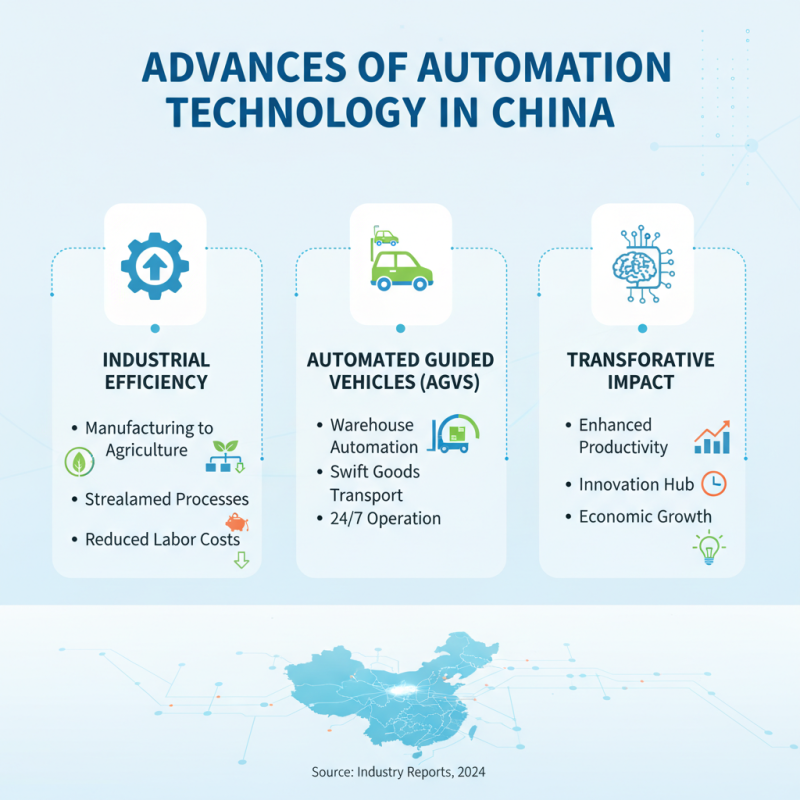
Industries in China are embracing advanced technologies. From manufacturing to agriculture, the impact is profound. Automated machines streamline processes, reduce labor costs, and improve precision. However, this rapid shift comes with challenges. Companies must address potential job displacement and the need for workforce retraining. Innovation is essential, but so is adapting to these changes responsibly.
The landscape of automated machines is ever-evolving. New developments are evident daily, yet the long-term effects on various sectors remain to be fully understood. As China forges ahead with automation, it raises important questions about sustainability and ethical practices. Engaging in open discussions about these issues will be crucial as we navigate this transformative journey.
Advancements in Automation Technology in China
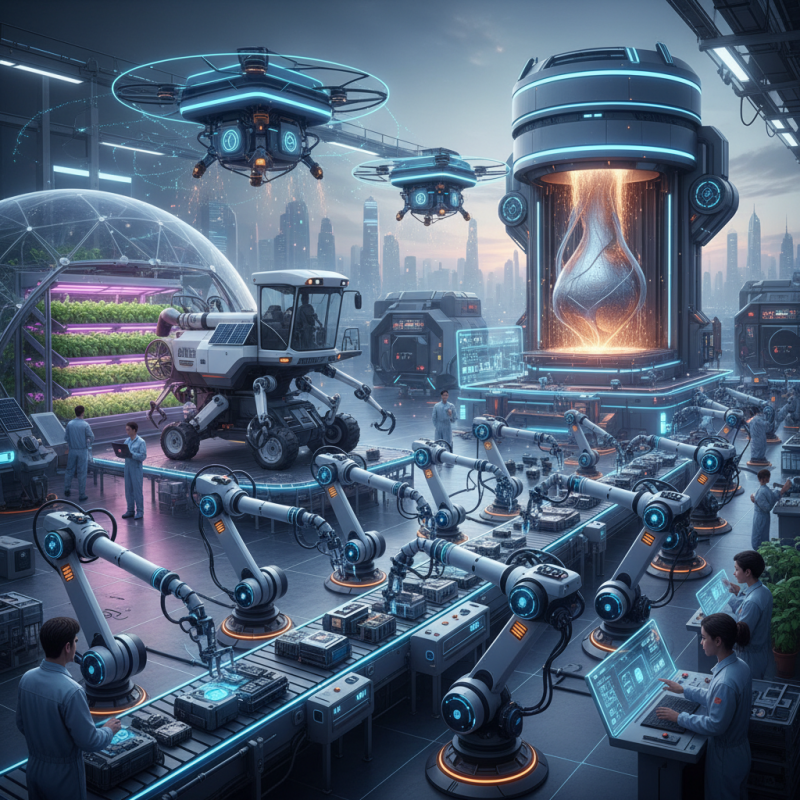
China is witnessing a significant transformation due to advancements in automation technology. Industries are increasingly embracing automated machines for enhanced efficiency. From manufacturing to agriculture, these technologies are streamlining processes like never before. Automated guided vehicles (AGVs) are now commonplace in warehouses. They transport goods swiftly without human intervention. This not only saves time but reduces labor costs.
Tips: Emphasize employee training during this transition to automation. Workers must adapt to new tools and technologies. In the agriculture sector, drone technology is improving crop monitoring. Drones collect data to help farmers make informed decisions. However, the cost of initial investment can be daunting for small-scale farmers. It’s essential for them to assess long-term benefits.
Despite these advancements, challenges remain. Reliability of automated systems is crucial. Technical failures can halt production entirely. Proper maintenance and regular updates are necessary to avoid downtimes. Automation also raises questions about job displacement. While some jobs may be lost, new opportunities emerge in tech support roles. Balancing innovation with workforce needs requires careful consideration.
Key Sectors Benefiting from Automated Machines
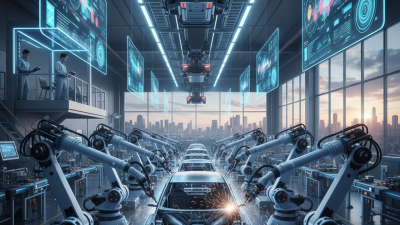
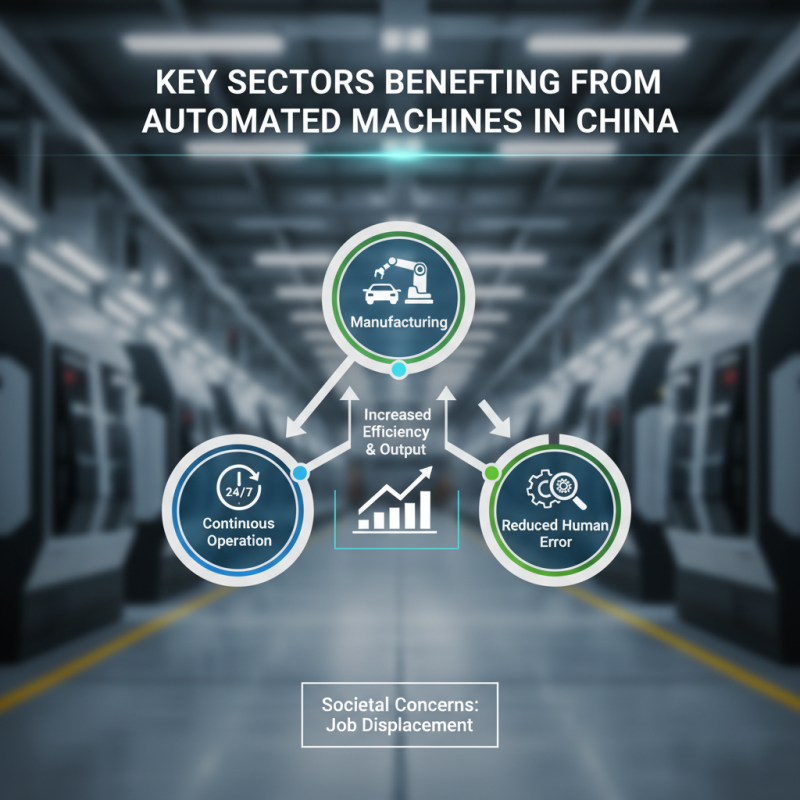
Automated machines are transforming several industries in China. Manufacturing is among the most impacted sectors. Factories utilize robots for assembly lines, enhancing efficiency and reducing human error. Automated systems can operate continuously, promoting higher productivity rates. However, the shift sometimes leads to job displacement, which prompts societal concerns.
The agricultural sector is also experiencing benefits from automation. Drones and automated tractors are revolutionizing traditional farming methods. They can cover more land and analyze crop health more accurately than manual labor. Nonetheless, the upfront costs for these technologies can be prohibitive for small farmers. This raises questions about equitable access to advancements.
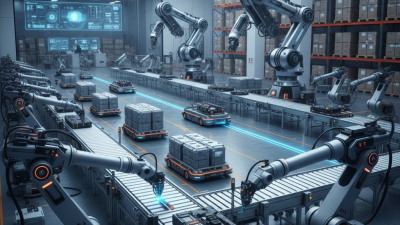
Logistics and warehousing are embracing automation as well. Automated guided vehicles streamline the movement of goods. This reduces the time taken for order fulfillment. Yet, reliance on such technology can create vulnerabilities if systems fail. These examples show both the transformative power and the complexities of automation in various industries.
Top 10 Innovative Automated Machines in Chinese Industries
China is rapidly embracing automation across various industries. Innovative automated machines are changing how factories operate. These machines streamline processes, enhancing productivity and efficiency. The integration of artificial intelligence allows for smarter decision-making in real-time.
One standout technology is
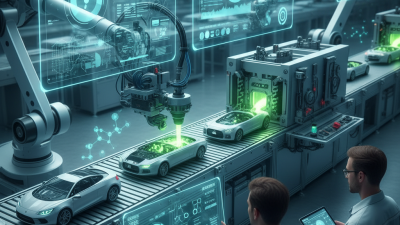
robotics. Robots handle tasks like assembly, packaging, and quality control with precision. This reduces human error and speeds up production lines. Additionally, flexible automation systems adapt to different tasks, making them invaluable in complex manufacturing environments.
Another significant trend is the use of
drones for logistics. These flying machines simplify warehouse management. They can quickly transport goods, cutting delivery times. However, challenges exist, such as navigating regulatory hurdles and ensuring safety in crowded spaces. Despite these issues, the potential for improvement remains high.
Industries must continually reflect on these advancements to maximize their effectiveness.
Impact of Automation on Workforce and Employment in China
China is witnessing a rapid automation trend. Reports indicate that the industrial robot market grew by 26% in 2022 alone. Companies are adopting automation to boost efficiency. This shift poses serious implications for the workforce. Many jobs are now at risk of being automated. According to the China Academy of Sciences, 57 million jobs may be displaced in the next decade.
While automation brings efficiency, it also requires skilled workers. The demand for high-skilled roles is increasing. A Deloitte report shows that by 2030, approximately 29 million new jobs will emerge in tech-related sectors. However, the challenge is that many current workers lack necessary skills. Training programs are lagging, and a skill gap widens.
Not all regions benefit equally. Urban areas attract more investment in automation. Rural regions struggle to keep up. Many workers face uncertainties regarding their future employment. The transition to automated environments is not seamless. It requires a careful balance between innovation and workforce stability. Adapting to this shift remains a significant challenge for China's economy.
Future Trends in Automation and Industry Revolution in China
Automation is rapidly transforming industries in China. With advancements in technology, many sectors are now embracing automated solutions. The future of automation promises more efficiency and productivity. Robotics, artificial intelligence, and machine learning play significant roles in this evolution.
Industries such as manufacturing and logistics benefit greatly. Automated machines streamline processes, reducing production time. For instance, factories deploy robotic arms for assembling products. This precision saves both time and resources. However, reliance on automation can present challenges. Job displacement is a significant concern for the workforce.
Tips for industries looking to integrate automation include investing in training programs. Workers need to adapt to new technologies. Another tip is to start small. Begin with pilot projects to evaluate effectiveness. Automation should enhance human capabilities, not replace them. Balancing automation and human touch ensures a smoother transition. The future will require synergy between machines and skilled labor.
Top 10 Automated Machines Revolutionizing Industries in China