Top Automated Machines in China for Global Sourcing?
As global sourcing continues to evolve, automated machines play a crucial role in enhancing efficiency and productivity. According to a report by McKinsey, automation could increase global productivity by 1.4% annually. In China, the adoption of automated machines has surged. Industries are leveraging technology to reduce labor costs and improve output quality. For instance, the manufacturing sector in China has seen automated solutions increase production rates by up to 30%.
Despite these advancements, challenges remain. Many small enterprises struggle to afford cutting-edge automated machines, leading to issues in competition. There’s also a concern regarding skill gaps; workers must adapt to new technologies. A study from Deloitte found that 54% of executives believe skills training is essential for successful automation integration. Thus, while the potential of automated machines in China is significant, there are reflections needed on accessibility and training.
In summary, while automated machines offer remarkable benefits, industries must consider both the opportunities and challenges present. Addressing these will be key for sustained growth in the global market. The shift toward automation is not just about technology; it’s about people and processes adapting together.
Top Automated Machines in China for Global Sourcing
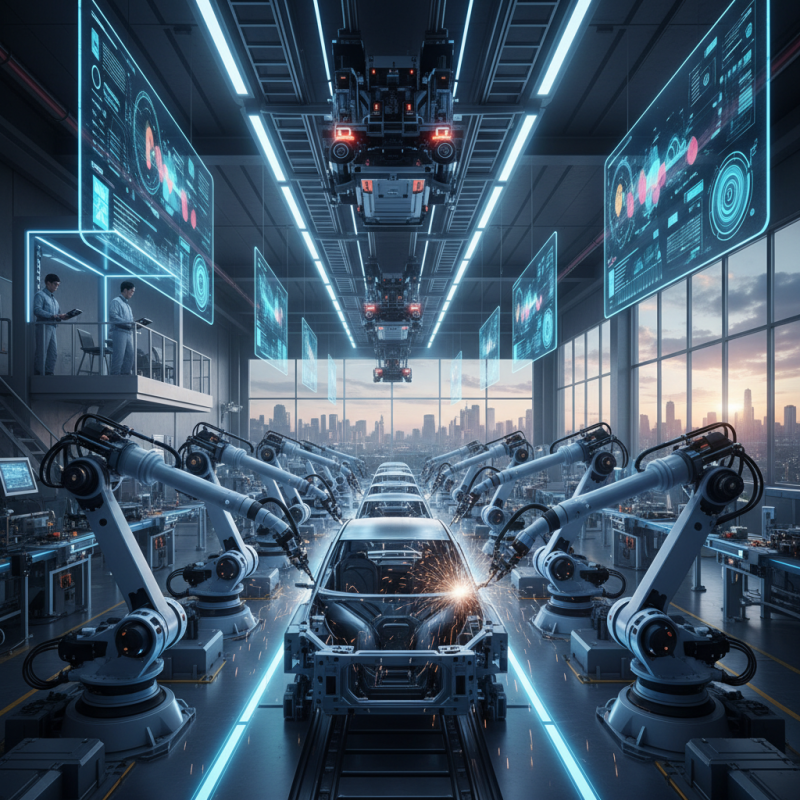
China has become a hub for automated machines, attracting global interest for sourcing. The diversity in automated technology is impressive. Industries range from manufacturing to agriculture, showing versatility and adaptability. Robotics, for instance, are used in assembly lines, speeding up production and reducing human error. Automated systems enhance precision, which is crucial in sectors like electronics.
The push for automation comes with challenges. Some machines require specialized training for operators. This can become a barrier for smaller companies. Additionally, maintenance issues can arise, potentially impacting productivity. Companies must weigh the pros and cons before integrating these advanced systems. While automation boosts efficiency, it also demands a workforce skilled in new technologies.
Overall, sourcing automated machines from China offers significant benefits. However, companies should conduct thorough research. Understanding the technology and its limitations is key. Developments in automation will continue to shape industries, making informed decisions essential for success.
Top Automated Machines in China for Global Sourcing
| Machine Type |
Application |
Automation Level |
Production Capacity (units/day) |
Average Cost (USD) |
| Robotic Arm |
Assembly Line |
High |
1200 |
25,000 |
| CNC Machine |
Precision Machining |
High |
800 |
40,000 |
| 3D Printer |
Prototype Development |
Medium |
100 |
15,000 |
| Laser Cutting Machine |
Metal Fabrication |
High |
500 |
35,000 |
| Packaging Machine |
Bottling and Packing |
High |
3000 |
20,000 |
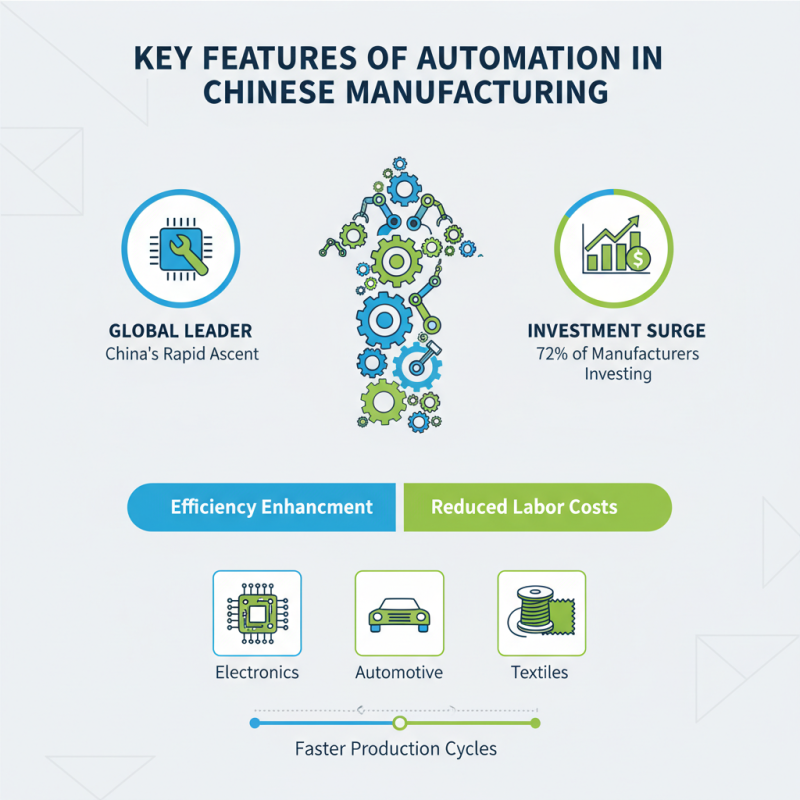
Key Features of Automation in Chinese Manufacturing
China has rapidly ascended as a leader in automation within manufacturing. Recent reports indicate that 72% of Chinese manufacturers are investing heavily in automation technologies. This trend stems from the need to enhance efficiency and reduce labor costs. Automated machines are increasingly utilized in sectors like electronics, automotive, and textiles, promoting faster production cycles.
Key features of automation in Chinese manufacturing include precision and flexibility. Advanced robotics and artificial intelligence help to streamline operations. For instance, a study reveals that factories employing automated systems can reduce production time by up to 30%. Such improvements lead to significant cost savings and enhanced product quality. Additionally, automation assists in minimizing human error, which is crucial for maintaining international standards.
Despite these advancements, challenges remain. A skills gap in the workforce poses a barrier to fully realizing automation benefits. Many workers lack training in operating advanced machinery. Moreover, the initial investment for automated systems can be substantial, which may deter smaller firms. Addressing these issues is crucial for sustaining China's manufacturing prowess on the global stage.
Popular Types of Automated Machines in China
China has become a leader in automated machine production, catering to various industries worldwide. Among the most sought-after machines are industrial robots. These robots are employed in manufacturing, welding, and assembly tasks. Their precision and efficiency boost productivity while minimizing human error. However, the initial investment can be substantial. Companies must evaluate return on investment carefully.
Another popular category includes CNC (Computer Numerical Control) machines. These machines are vital in metalworking and woodworking sectors. They offer high precision in cutting and shaping materials. The downside is the complexity of operation. Employees require training to operate and maintain these machines effectively. This need for skilled labor can be a hurdle for some businesses.
Additionally, automated packaging machines are in high demand. They streamline the packaging process and enhance overall efficiency. Companies can increase output and maintain quality. Yet, businesses must consider machine reliability and maintenance costs. Relying on automated systems creates challenges when systems fail or require repairs. Manufacturers must weigh the benefits against potential downtime.
How to Evaluate Automation Suppliers in China
When sourcing automated machines in China, evaluating suppliers is crucial. Start by examining their experience in the industry. A supplier with years of history often brings insights into machinery efficiency. Ask for case studies. These can reveal how they’ve tackled challenges.
Quality control is another vital aspect. Suppliers should have certifications. Look for compliance with international standards. This ensures that their machinery meets your requirements. Check their testing methods as well. Are they proactive in addressing potential issues?
Building trust is essential. Establish open communication with potential suppliers. Inquire about their after-sales support. Assess their responsiveness. A reliable supplier values your inquiries. References from other clients can provide additional perspective. Be prepared to reassess your needs as you gather information.
Trends shaping the Future of Automation in Global Sourcing
Automation is rapidly transforming global sourcing, particularly in China. Advanced technologies like AI and robotics streamline production processes. This shift reduces costs and enhances efficiency. However, it also raises questions about workforce displacement. As machines take over routine tasks, the demand for skilled labor increases.
A significant trend is the focus on sustainability. Automated machines often use less energy and generate less waste. This is crucial as businesses face pressure to adopt greener practices. Nevertheless, implementing these technologies requires significant investment. Not all companies can afford to upgrade their machinery.
Supply chain resilience is another factor shaping automation. Recent disruptions emphasized the need for flexibility. Automated systems can respond swiftly to changes in demand. Still, there is a risk of over-reliance on technology. Companies must balance automation with human oversight to ensure quality and adaptability. The future of automation in global sourcing will depend on finding this equilibrium.
Top Automated Machines in China for Global Sourcing
This chart illustrates the growing adoption of various types of automated machines used in global sourcing in China. The data represents the percentage increase in usage from 2021 to 2023.