Top Automated Machines from China for Global Buyers?
As global demand for efficiency rises, automated machines have become essential. China stands out as a leading provider of these machines. They offer a range of innovative solutions for various industries, enhancing productivity and reducing labor costs. However, navigating the options can be daunting for buyers.
Understanding the capabilities of automated machines is crucial. Buyers should consider their specific needs before making a decision. Quality and reliability vary significantly among manufacturers. Knowledge of the different types available can help businesses invest wisely.
Choosing the right automated machines requires careful consideration. Potential buyers must weigh factors such as technology, service support, and pricing. With thorough research and understanding, global buyers can make informed choices that drive their operations forward.
Overview of Automated Machines in China
China has become a global leader in automated machinery, offering a wide range of solutions across various industries. The market for automated machinery in China is projected to reach $170 billion by 2025, according to a recent industry report. This growth can be attributed to advancements in robotics, AI, and the Internet of Things (IoT). Additionally, China produces about 27% of the world’s industrial robots, showcasing its capacity and expertise in automation.
Many factories in China have adopted automation to increase production efficiency. Reports indicate that automation can reduce labor costs by up to 50% and increase output by 20%. However, the rapid adoption of automated systems raises concerns. There are challenges in the workforce transition, with many employees needing to retrain for new roles. Moreover, not every business has embraced this shift. Smaller companies often face high initial costs and uncertainty about ROI, leading to hesitation in investing in these technologies.
The scope of automated machines in China includes not only robotics but also smart manufacturing solutions. Systems that integrate real-time data into operations are essential. Still, many manufacturers struggle with how to implement these innovations effectively. Companies must balance between investing in technology and ensuring a smooth transition for their workforce, which remains a critical factor in the ongoing automation trend.
Key Industries Utilizing Chinese Automated Machines
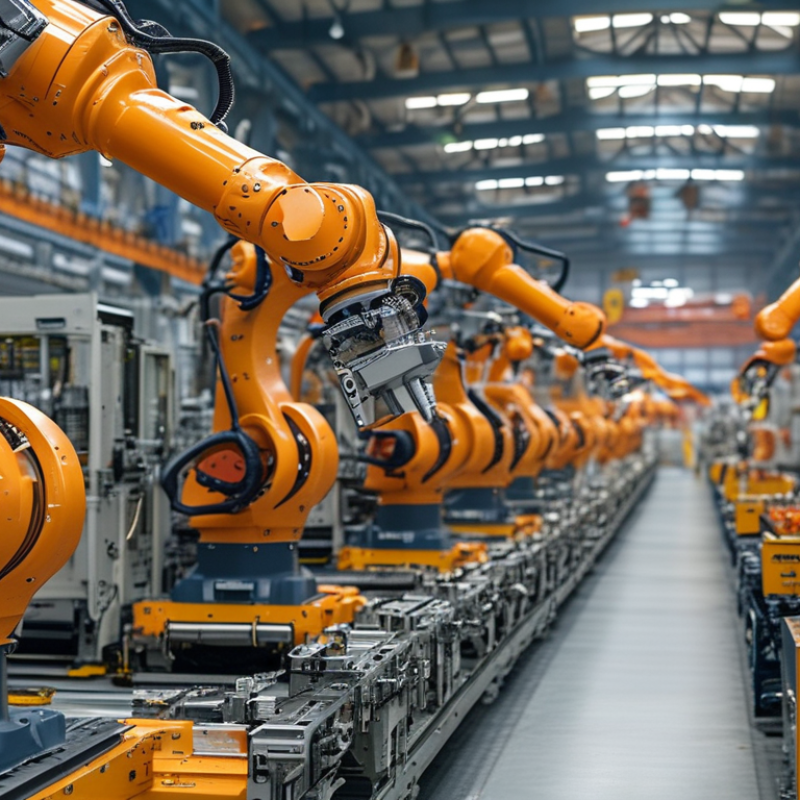
The landscape of automated machines is rapidly changing. Various industries are adapting to these innovations from China, leveraging automation for efficiency. Manufacturing remains at the forefront. Factories are utilizing robotics for assembly lines, enhancing speed and precision. These machines can significantly reduce human error while increasing productivity. The transition to automated systems often presents a steep learning curve for factories, yet the benefits are clear.
Another key area is agriculture. Automated machines are enhancing farming practices.
Drones and automated tractors are reshaping how crops are cultivated. Farmers are increasingly relying on these technologies to monitor fields and optimize yields. However, the integration can be challenging. Many farmers face technical issues or lack sufficient training. Overcoming these obstacles is crucial for success.
The logistics sector is also evolving. Automated sorting systems and conveyor belts streamline operations in warehouses. This leads to quicker delivery times and reduced labor costs. Yet, safety concerns cannot be overlooked. The risk of accidents increases with automation, requiring robust training protocols. Continuous improvement and adaptation remain essential in this dynamic environment.
Top Features and Technologies of Leading Automated Machines
Automated machines from China are rapidly becoming essential for global industries. They feature
cutting-edge technologies that enhance efficiency and productivity.
According to recent industry reports, automated machinery can improve production speed by up to
40%, significantly
reducing operational costs. This is crucial as companies seek to remain competitive in a
fast-paced environment.
One standout feature of these machines is their use of
artificial intelligence (AI). AI integration allows machines to
learn and adapt to various tasks. This not only increases accuracy but also minimizes errors. For
example, automated assembly lines equipped with AI can adjust processes on-the-fly, ensuring optimal
performance. Such advancements can lead to a notable
reduction in waste, promoting
sustainability in manufacturing.
Tip: Always consider the after-sales support offered
by machine suppliers. This can greatly impact your operational efficiency. Additionally, keep an eye
on the software compatibility of the machines
to ensure seamless integration with existing systems.
Another noteworthy technology is the
Internet of Things (IoT). Machines connected
to cloud networks provide real-time data analysis. This enables businesses to monitor performance and
predict maintenance needs. Such proactive measures are essential for minimizing
downtime and maximizing productively. Ensuring your machinery
incorporates IoT can lead to significant long-term benefits.
Market Trends and Innovations in Automation from China
China's automation market is witnessing remarkable trends and innovations. According to a report by the International Federation of Robotics (IFR), the annual growth rate of industrial robots in China has consistently surpassed 15% over the past five years. This surge is partly due to the growing demand for efficiency in manufacturing. As companies seek to optimize production, automation technology is becoming a crucial player.
Innovations such as AI-powered robots and integrated machine learning systems are gaining traction. A study by McKinsey highlights that automation could contribute up to $13 trillion to the global economy by 2030. However, not all businesses are prepared for this shift. Many find it challenging to integrate complex systems and may experience high upfront costs. The potential for error in implementation is a critical concern.
The collaboration between technology and skilled labor remains vital. While machines enhance productivity, the importance of trained professionals cannot be overlooked. Innovation does not eliminate the need for human oversight. Continuous adaptation and skill development are necessary to navigate the evolving landscape of automation. The future demands a balanced approach between machinery and human expertise.
Top Automated Machines from China for Global Buyers
| Machine Type |
Application |
Key Features |
Market Trend |
Expected Growth Rate (2023-2028) |
| Industrial Robot |
Manufacturing |
High precision, multi-tasking |
Automation in production lines |
15% |
| CNC Machine |
Metalworking |
Computer-controlled, high efficiency |
Rise in custom manufacturing |
10% |
| Automated Guided Vehicle (AGV) |
Warehouse Logistics |
Navigation, autonomous operation |
Growth in e-commerce |
20% |
| 3D Printer |
Prototyping and Production |
Rapid prototyping, material versatility |
Increased use in various sectors |
25% |
| Robotic Arm |
Assembly Lines |
Flexible, configurable |
Demand in flexible manufacturing |
18% |
Buying Considerations for Global Buyers of Chinese Machines
As global buyers consider acquiring automated machines from China, understanding key factors is crucial. The Chinese automation market is experiencing rapid growth, projected to reach $85 billion by 2025, according to a recent market analysis. High-quality, cost-effective machinery is one major attraction for buyers. Yet, making informed decisions is essential.
When evaluating machines, buyers should carefully assess specifications and capabilities. Some machines may appear advanced but can lack durability under heavy use. Also, compatibility with existing systems is vital. A report by the International Federation of Robotics indicated that poorly integrated automation can lead to operational disruptions and increased costs. Take time to analyze maintenance requirements and support services.
Tip: Always verify suppliers' certifications and reviews. Reliable suppliers often provide extensive performance data. This data can reveal insights into machine reliability and service history. Additionally, consider visiting factories or supplier facilities. Firsthand experience can uncover potential issues. Understanding the nuances of machinery can significantly influence overall productivity and efficiency.
Top Automated Machines from China for Global Buyers