Why Is TPV Material Used in Manufacturing?
On a production line, material choice affects more than the part itself. It shapes cycle time, assembly, maintenance, and product life. Tpv Material, or thermoplastic vulcanizate, combines a flexible rubber-like phase with a thermoplastic phase. This structure can offer elastic recovery while remaining suitable for melt processing. A molded seal, for example, may flex around a housing and return toward its original shape after compression. Useful in practice.
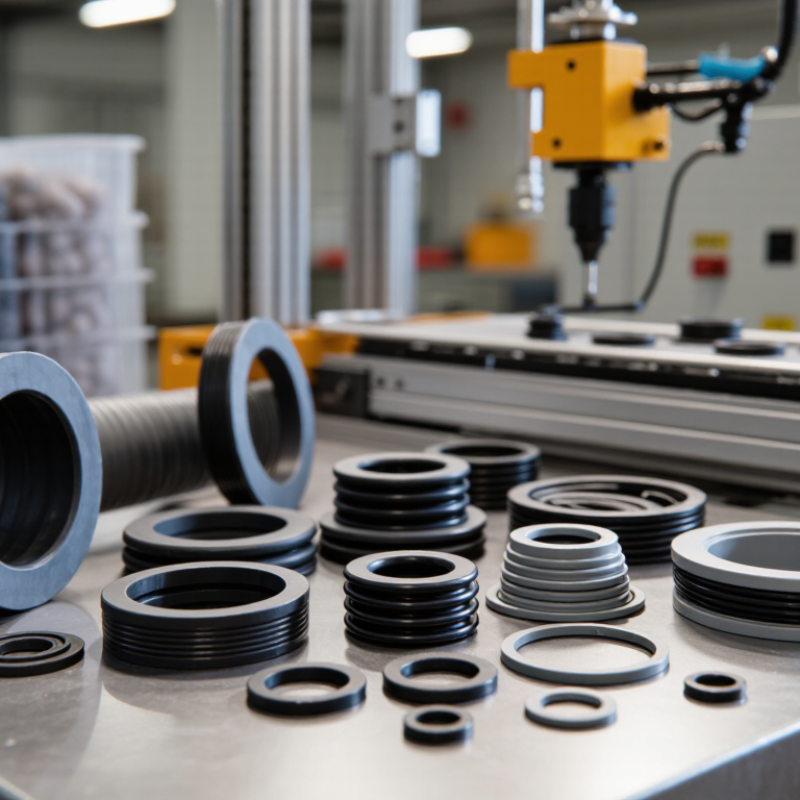
Manufacturers often consider TPV for seals, grips, hoses, and soft-touch components. It can be processed with common thermoplastic methods, including injection molding and extrusion, depending on the grade and design. Some formulations also support recycling of production scrap, but actual reuse depends on contamination, process controls, and supplier guidance. The details matter.
TPV is not automatically the best choice. Temperature, chemicals, UV exposure, compression set, hardness, and bonding needs can all change performance. A part that feels soft in a sample may behave differently after months of heat or repeated loading. That is easy to underestimate. Engineers should review technical data, test finished parts under realistic conditions, and confirm processing requirements with the material supplier. Cost also needs context: resin price alone does not capture tooling, cycle time, scrap, or service life. In short, TPV is used because it can balance flexibility, processability, and durability for specific manufacturing needs. The right answer still depends on the part.
What TPV Material Is and How It Is Structured
TPV, or thermoplastic vulcanizate, combines rubber-like flexibility with thermoplastic processability. Its structure usually contains tiny, crosslinked rubber particles dispersed through a thermoplastic phase. During production, the rubber is dynamically vulcanized while being mixed with the molten plastic. The plastic forms a continuous matrix; the cured rubber provides much of the soft, elastic feel. This is a blend with distinct phases, not simply one material halfway between rubber and plastic. Common formulations use polypropylene and EPDM rubber, though recipes vary.
Tips: Check the technical data sheet for hardness, temperature range, and compression set. These figures help compare grades, but they do not replace testing in the finished part. Look closely at the design, too: thin walls and sharp corners can affect filling and performance. Small details matter.
This structure helps TPV flow through molding equipment and take on detailed shapes, such as a flexible seal with a narrow lip. After cooling, the part can recover after bending, depending on its formulation and design. Some production scrap may be remelted, but repeated heat can change material properties. So recyclability should not be assumed from the word “thermoplastic” alone. That detail is easy to overlook. Good material selection considers the actual stresses, temperatures, and service conditions, not just a simple rubber-like feel.
How TPV Is Produced Through Dynamic Vulcanization
Dynamic vulcanization turns a blend of rubber and thermoplastic into a material that can be processed like plastic while retaining elastic behavior. The ingredients are heated and mixed under strong shear, often in an industrial mixer or twin-screw extruder. As the rubber phase softens, a curing system causes it to crosslink during mixing. Heat matters.
Mixing continues as the rubber breaks into small particles and disperses through the molten thermoplastic. The thermoplastic forms a continuous phase, while the cured rubber particles help the material recover after compression or stretching. Temperature, mixing time, shear, and ingredient proportions all affect this structure. A small process change can alter flow, texture, or resilience.
Once the blend reaches its target state, it is cooled and usually formed into pellets for later molding or extrusion. This production route can support repeatable shaping and useful flexibility, but it is not a shortcut to identical performance in every application. Too much heat may degrade ingredients; too little mixing may leave uneven dispersion. Not quite simple. Manufacturers need to test the finished compound under realistic conditions, since laboratory measurements may not fully predict wear, temperature changes, or long-term compression.
Key Properties That Shape TPV’s Performance
TPV combines the flexible feel of rubber with the processing advantages of thermoplastics. That blend makes it useful for seals, grips, protective covers, and flexible connectors. In a finished part, it can bend repeatedly while keeping a soft touch. Its precise behavior depends on the formulation, so “TPV” alone does not guarantee a particular level of performance.
Weathering resistance is one reason manufacturers consider TPV for parts exposed to sunlight, moisture, and changing temperatures. Many grades also resist ozone and common wear better than some conventional elastomers. TPV can be molded efficiently and, in suitable applications, reprocessed as thermoplastic material. Still, chemical compatibility and compression set vary. A seal may look sound yet lose force after long compression; testing under real temperatures and fluids matters. The material is useful, not magic, and selection can be less straightforward than a datasheet suggests.
Tips: Match the grade to the job. Check hardness, temperature range, fluid exposure, and expected flexing. Ask for test data on the exact formulation, then trial a small part in realistic conditions. A quick hand squeeze is helpful, but it is not a substitute for measured testing.
Why Manufacturers Choose TPV for Production
Manufacturers choose TPV when a component needs rubber-like sealing but benefits from thermoplastic processing. A door seal, cable grommet, or molded boot must flex repeatedly, resist weather, and retain its shape. TPV can be melt-processed, which may simplify high-volume molding and handling of production scrap. The fit is practical, not universal. Not every part qualifies.
The U.S. Department of Energy’s 2015 materials report estimates that reducing vehicle mass by 10% can improve fuel economy by 6–8%. This figure applies to overall vehicle mass, not TPV alone, but it helps explain interest in lighter polymer components. TPV can also support overmolding and complex shapes, potentially reducing assembly steps. Engineers still need to test compression set, oil exposure, temperature limits, and cycle time for each part. A seal that looks sound after molding may still leak after heat aging. That inconvenient detail matters. ISO 18064:2022 classifies thermoplastic elastomers, but actual performance depends on formulation and test conditions. A datasheet is a starting point, not proof of service life. Pilot runs can reveal shrinkage, weld lines, and dimensional variation before tooling is finalized.
Why Manufacturers Choose TPV for Production
TPV grades offer a range of rubber-like hardness, helping manufacturers select materials for flexible seals, grips, and other molded components.
Representative range: 40–90 Shore A. Available hardness depends on the specific TPV formulation and grade.
Common Uses of TPV Across Industries
Why Is TPV Material Used in Manufacturing?
Common Uses of TPV Across Industries
Thermoplastic vulcanizate, or TPV, combines rubber-like flexibility with thermoplastic processing. Manufacturers use it where parts need to bend, seal, or cushion repeated contact. In automotive interiors and under the hood, TPV can form door seals, protective boots, and soft-touch trim. A flexible seal helps reduce rattling and block dust or water. Heat and fluid exposure still matter, so each part needs a suitable grade.
In appliances, TPV appears in buttons, grips, flexible gaskets, and vibration-damping feet. Cable and wire applications may use it as a flexible jacket, depending on electrical and environmental requirements. Builders also use TPV in window and door weather seals, where it can tolerate repeated compression. It is a practical fit for many shapes. Not every grade suits every setting. Designers should check temperature limits, chemical contact, hardness, and bonding needs before production. In healthcare equipment, selected grades may serve in tubing or seals, but the material must meet the product’s specific safety and performance requirements. The details can be easy to overlook. A small mismatch can shorten service life.
