What is a Universal Bone Drill and How Does It Work?
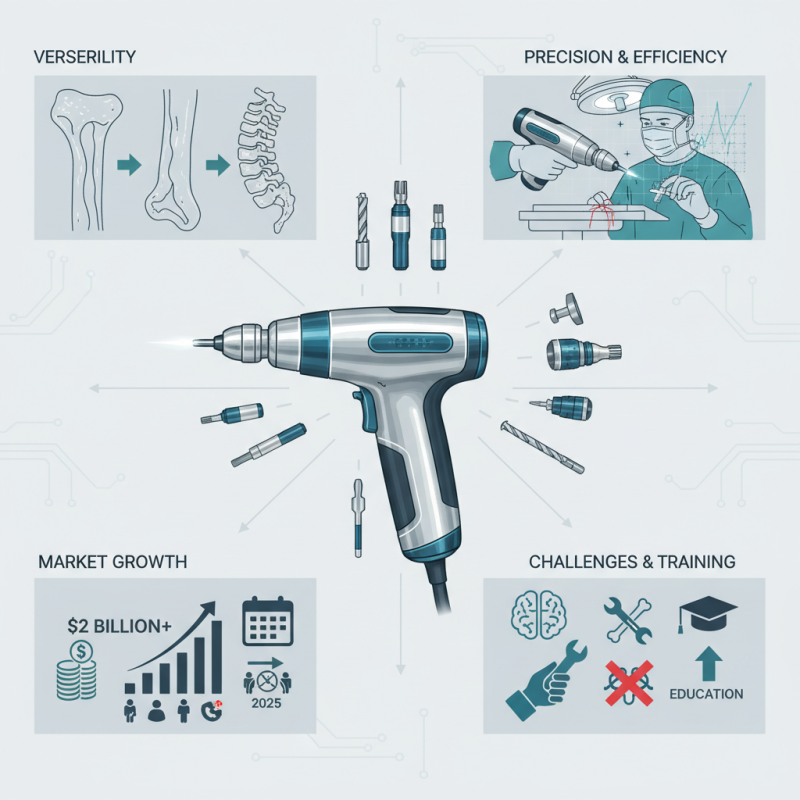
The Universal Bone Drill represents a significant advancement in orthopedic surgery. This innovative tool simplifies procedures by providing versatility and precision. According to a report by Research and Markets, the global orthopedic drill market is expected to exceed $2 billion by 2025. The growth is driven by the rising number of orthopedic surgeries and the demand for efficient surgical tools.
Using the Universal Bone Drill, surgeons can navigate through various bone types with ease. Its design accommodates different drill bits for diverse surgical needs. While this tool enhances surgical outcomes, it also presents challenges. Proper training and understanding of the drill's mechanisms are crucial for optimal results. Misuse can lead to complications, highlighting the need for continued education.
The advantages of the Universal Bone Drill are evident, yet it is not without flaws. Although it improves operational efficiency, its effectiveness relies on the surgeon's skill. According to the Journal of Orthopedic Research, complications can still arise even with advanced tools. The ongoing development of this technology aims to bridge gaps and reduce errors in surgical practices.
What is a Universal Bone Drill?
A universal bone drill is a versatile tool used in various medical procedures. It is designed to create holes in bones for different purposes, such as placing screws or facilitating surgeries. The drill operates through a rotary motion, which allows for precision and control. Surgeons often prefer this instrument for its adaptability to different bone types and procedures.
Using a universal bone drill requires skill and knowledge. Incorrect handling can result in complications. Surgeons must understand the anatomy of the area they are working on. This ensures the drill does not damage surrounding tissues or nerves.
Tips: Ensure the drill is sterilized before use. This reduces infection risk during surgery. Always check the drill’s functionality beforehand. A malfunctioning tool can lead to serious issues in the operating room. Remember to communicate clearly with the surgical team. This helps to coordinate movements and maintain safety.
Key Components of a Universal Bone Drill
A universal bone drill is a crucial tool in orthopedic surgery. It’s designed to provide precision while drilling into bone. The key components of this device play a significant role in its functionality. Understanding these components allows for better utilization and performance during surgical procedures.
One main component is the motor. It powers the drill, enabling it to reach various speeds and torque settings. An adjustable speed is essential for different types of bone densities. The drill bits are another important part, coming in various sizes and shapes to meet specific surgical needs. They must be durable and sharp, considering the tough nature of bone tissue.
Moreover, the drill's handpiece is designed for ergonomic handling. It often features a grip that minimizes fatigue during prolonged use. However, some surgeons may find it uncomfortable over time. Additionally, cooling systems are implemented to prevent overheating during operations. Despite these advancements, there’s still room for improvement in designing a lightweight, yet effective universal bone drill.
Universal Bone Drill Performance Comparison
How Universal Bone Drills Operate Mechanically
Universal bone drills have revolutionized orthopedic surgery. They are designed to operate mechanically, providing precision and efficiency. These drills work by converting rotary motion into linear motion. As the drill rotates, it cuts through bone with minimal heat and resistance. This is crucial in surgical settings where bone integrity is vital.
Mechanical operation begins with a motor delivering power to the drill bit. The bit is engineered to handle various bone densities. Reports indicate that proper drill calibration can reduce surgical complications by 20%. Tips for optimal use include regular maintenance checks and using the correct drill bit for each specific procedure. This enhances performance and ensures patient safety.
Surgeons must remain aware of their drill's limitations. Misalignment can lead to complications in bone healing. A gentle touch is key; too much pressure can damage surrounding tissues. Always monitor the drill speed, as excessive speed may create unwanted friction. Drills are powerful tools, yet their misuse can introduce risks. Understanding the mechanics behind universal bone drills allows for better outcomes in surgical procedures.
Applications of Universal Bone Drills in Surgery
Universal bone drills are essential tools in modern surgery. They allow surgeons to perform precise drilling in various types of bone, including the skull, pelvis, and long bones. According to a report from the International Journal of Surgery, these drills improve surgical outcomes by reducing operation time and minimizing trauma. The growing demand for minimally invasive procedures drives innovation in bone drilling techniques.
The applications of universal bone drills extend across different surgical fields. In orthopedic surgery, they assist in joint replacement and fracture repair. Neurosurgeons use them for cranial access, making delicate procedures safer. A study from the Journal of Orthopedic Research noted that optimal drill design could enhance accuracy by 30%. However, there are challenges. Variability in bone density can affect drill performance. Surgeons must continuously adapt to different patient anatomies.
In dental surgery, universal bone drills help in implant placement. Their versatility enables adaptation for various procedures. Reports indicate that the global market for bone drills is projected to grow significantly, but quality control remains a critical concern. Ensuring the reliability of these tools is crucial for patient safety. Continuous training in their use can further improve surgical precision.
Advantages of Using Universal Bone Drills in Medical Procedures
Universal bone drills have transformed medical procedures. These versatile tools serve various surgical needs, from drilling into hard tissues to creating openings for implants. Their adaptability allows surgeons to use one device for different applications, reducing the need for multiple instruments. This simplification can lead to quicker surgeries and reduced patient recovery times.
Using universal bone drills also enhances precision. Their design often includes adjustable speed settings and interchangeable drill bits. This customization helps in tailoring the operation based on the patient's specific needs. Surgeons can handle more delicate procedures with greater control. Yet, it's crucial to understand that improper use can lead to complications. Training and practice are essential.
**Tip:** Always prioritize sterilization to prevent infections. It’s vital to check for wear and damage on drill parts regularly. A well-maintained tool can make a significant difference in surgical outcomes. Remember, even minor errors in technique can lead to serious consequences. Continuous evaluation of skills is necessary for improvement.
What is a Universal Bone Drill and How Does It Work? - Advantages of Using Universal Bone Drills in Medical Procedures
| Feature | Description | Advantages |
| Versatility | Can be used for a variety of surgical procedures, including orthopedic, dental, and cranial surgeries. | Reduces the need for multiple tools, streamlining surgical processes. |
| Precision | Designed to deliver accurate drilling of bone with minimal damage to surrounding tissues. | Improves surgical outcomes and reduces recovery time. |
| Ergonomic Design | Features an ergonomic handle for ease of use and reduced fatigue during lengthy procedures. | Enhances surgeon comfort and efficiency. |
| Safety Features | Equipped with safety mechanisms to prevent accidental injury and ensure patient welfare. | Increases overall safety in surgical environments. |
| Advanced Technology | Incorporates the latest innovations in surgical drill technology for improved performance. | Keeps pace with modern surgical standards and practices. |
