China Top City Power Garden Light Ultimate Guide?
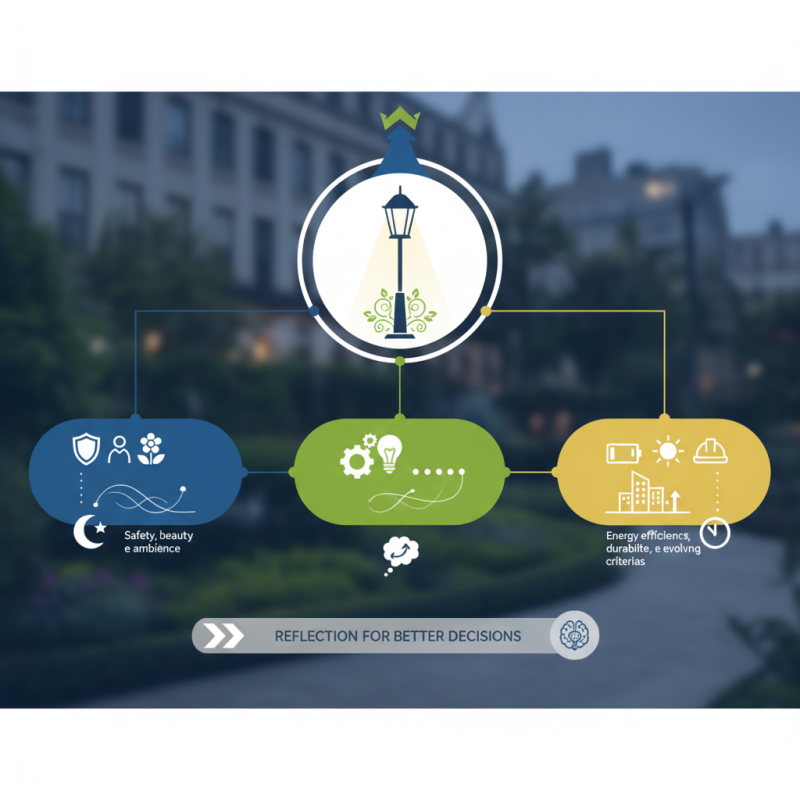
In urban environments, the importance of lighting cannot be overstated. A well-designed City Power Garden Light can transform public spaces. These lights enhance safety, beauty, and ambiance in any garden or park.
City Power Garden Light combines functionality with aesthetics. Its innovative designs cater to various needs and preferences. However, not all installations are perfect. Sometimes, the placement might leave dark spots or fail to illuminate key areas. It's essential to rethink these designs for optimal effectiveness.
Choosing the right City Power Garden Light requires careful consideration. Factors like energy efficiency, brightness, and durability matter. As cities evolve, so do the criteria for effective garden lighting. Reflecting on past choices can lead to better decisions in the future.
Understanding the Role of Garden Lights in Urban Ecosystems in China
Garden lights play a significant role in urban ecosystems across China. They not only illuminate paths and parks but also enhance safety and promote outdoor activities. In cities, where green spaces are limited, these lights help create a welcoming environment. They encourage residents to enjoy their surroundings, even after sunset. However, too much artificial light can disrupt local wildlife, impacting natural behaviors.
Light pollution is a growing concern. It affects both animals and plants. Some species may alter their feeding and mating habits due to excessive light. Urban planners face the challenge of balancing illumination needs with ecological health. Properly placed garden lights can mitigate negative impacts. Using warm LED lights may benefit local fauna and flora. It requires thoughtful consideration and design.
Moreover, the aesthetic appeal of garden lights cannot be underestimated. A well-lit garden can become a community gathering spot. People come together in beautifully designed green spaces. Yet, it is essential to regularly assess the lighting conditions. Communities should reflect on the impact of their choices. Are garden lights enhancing urban life, or are they creating unintended consequences? This ongoing evaluation is vital for sustainable urban living.
Types of Garden Lights: From Solar to LED and Their Efficiency Ratings
When considering garden lights, one has an array of options. Solar lights are popular due to their eco-friendliness. They use sunlight to charge during the day, then illuminate at night. Efficiency ratings can vary. Some solar models achieve a mere 50 lumens per watt, while higher-end models can reach 100 lumens per watt. A 2022 industry report shows that solar garden lights are expected to grow by 15% annually, reflecting rising consumer interest.
LED lights are another notable choice. They offer better longevity and lower energy consumption. An LED garden light can last up to 50,000 hours. Some can produce over 80 lumens per watt, providing impressive intensity. However, they may have a higher initial cost, which can deter budget-conscious buyers. A study noted that people often overlook this long-term savings. Understanding these differences is crucial. The choice can profoundly impact both aesthetic appeal and energy costs in the long run.
In some cases, mixed lighting strategies are effective. Combining solar and LED options can optimize both cost and efficiency. A balanced approach might bring together the best of both worlds. Yet, many garden owners hesitate to adopt this strategy. They may feel overwhelmed by choices or uncertain about installation. This hesitation can lead to underutilizing the full potential of their outdoor spaces.
China Top City Power Garden Light Ultimate Guide
| Type of Garden Light | Energy Source | Efficiency Rating (Lumens per Watt) | Average Lifespan (Hours) | Initial Cost (USD) |
| Solar Garden Light | Solar | 80 | 2,000 | 20 |
| LED Garden Light | Electric | 100 | 25,000 | 30 |
| Traditional Halogen Light | Electric | 15 | 2,000 | 25 |
| CFL Garden Light | Electric | 50 | 8,000 | 15 |
| Smart Garden Light | Electric + Wi-Fi | 90 | 20,000 | 50 |
Energy Consumption and Sustainability of Garden Lighting Solutions
Garden lighting plays a significant role in enhancing outdoor spaces. However, energy consumption is a critical factor to consider. Many traditional garden lights consume excessive energy. This contributes to higher electricity bills and increased carbon footprints.
LED lights have emerged as popular alternatives. They consume less energy and last longer than older options. However, they still require careful consideration. Not all LED products are equally efficient. It’s essential to review their efficiency ratings and ensure they meet sustainable standards.
Solar-powered lights provide another solution. They harness sunlight during the day, reducing reliance on electrical grids. Yet, performance can vary based on weather conditions. Unpredictable sunlight can lead to inconsistent lighting. Evaluating all options is vital to finding a balance between aesthetics and sustainability in garden lighting.
Market Trends: Growth in China’s Garden Lighting Industry (2023 Data)
In recent years, China's garden lighting industry has experienced significant growth. Reports indicate that the market reached a valuation of approximately $1.5 billion in 2023. This reflects a 15% increase from the previous year, showcasing rising consumer interest in outdoor aesthetics. With the urbanization trend, more homeowners seek ways to enhance their gardens with lighting solutions.
The demand for smart garden lights is notable. About 40% of new garden lighting products released in 2023 featured smart technology. This innovation allows for remote control and energy efficiency, appealing to tech-savvy consumers. However, some manufacturers struggle to keep pace with the rapid advancements in technology. Price fluctuations in raw materials have also posed challenges.
Despite these hurdles, market analysts predict continued growth. By 2025, the garden lighting sector could exceed a $2 billion valuation. Consumer preferences are shifting towards environmentally friendly options. Yet, there remains concern over the quality inconsistency in cheaper products. Awareness of such issues is critical for sustainable development in the industry.
Impact of Smart Lighting Systems on City Landscaping and Aesthetics
Smart lighting systems are transforming urban landscapes in profound ways. According to a recent industry report, cities that implemented smart lighting saw a 30% reduction in energy consumption. These systems adjust brightness based on pedestrian activity, which not only saves energy but also enhances safety. However, there are concerns that over-illumination can disrupt local wildlife. This issue raises questions about finding a balance between aesthetics and ecology.
The aesthetic impact of smart lighting is significant. Well-designed lighting can highlight architectural features, creating a vibrant atmosphere. A study showed that cities with thoughtful lighting designs experience a 20% increase in pedestrian traffic after dark. Yet, not all designs succeed. Poorly executed lighting can create harsh glare or uninviting shadows. Urban planners must collaborate with lighting designers to ensure the results are pleasing and functional.
Moreover, the integration of smart technology into public spaces has its challenges. Maintenance of these systems can be complex. Many cities struggle to keep up with the rapid pace of technology. Citizens may also feel a disconnect if the lighting is not aligned with their community values. Continuous feedback from residents is essential for optimizing these innovations and enhancing urban aesthetics.