Top 10 Wafer Roll Machines You Need to Know About?
In the ever-evolving world of confectionery machinery, the Wafer Roll Machine stands out. Renowned expert John Smith, a leading authority in food processing technology, once stated, "The right machinery transforms the quality of desserts." This highlights the importance of choosing the right wafer roll machines for production.
Wafer Roll Machines are essential for creating those delightful, crispy treats we all love. They shape the future of snacks, influencing both taste and texture. The competition in this industry is fierce, demanding machines that are innovative yet reliable. An effective machine should not only enhance efficiency but also ensure consistency in quality.
While many options are available, not all machines excel across the board. Some may fall short in speed, while others struggle with uniformity. It’s crucial to find a balance, as these imperfections can impact the final product. The quest for the perfect Wafer Roll Machine is ongoing, and each choice offers lessons worth considering.
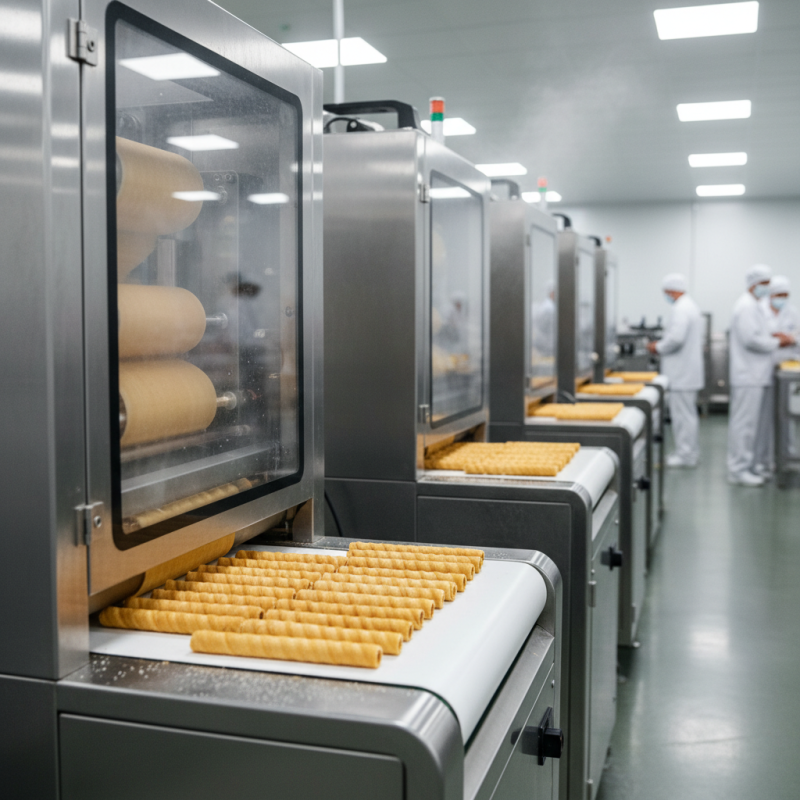
Overview of Wafer Roll Machines and Their Importance
Wafer roll machines play a crucial role in the snack food industry. These machines transform simple ingredients into delightful treats. They are designed to create thin, crispy wafers that can be filled with various flavors. This versatility makes them popular in many markets. The process is fascinating; ingredients are mixed, cooked, and then shaped into rolls.
Key Considerations: The quality of these machines can vary. Some models may have inconsistent output, which can lead to wasted materials and unsatisfactory products. It’s essential to choose machines that provide uniformity in size and texture. A small adjustment in temperature or timing can greatly affect the final product. As manufacturers strive for perfection, continual improvement in equipment is vital. Investing in reliable machinery can streamline production, minimizing problems down the line.
These machines are often not perfect, and issues may arise. Regular maintenance is necessary to ensure they function properly. Operators need training to handle them effectively. Understanding the nuances of machine operation can enhance efficiency.
The art of making wafer rolls is intricate, blending technology and creativity. Each batch holds potential, and the pursuit of excellence never truly ends.
Key Features to Look for in Wafer Roll Machines
When choosing wafer roll machines, several key features stand out. Look for adjustable temperature settings. This is crucial for achieving the perfect crispiness. A machine that offers a range of temperatures allows you to customize based on recipe requirements. Consider the material of the machine as well. Stainless steel is a good choice for durability. It withstands heat well and is easy to clean.
Another important feature is the machine’s capacity. If you plan to produce large batches, opt for a model that can handle higher volumes. Speed can also influence your production efficiency. Machines with quicker cooking times will help meet demand during busy hours. Pay attention to the design too. User-friendly controls can make a big difference. Complex interfaces may lead to mistakes in your cooking process.
Think about the size as well. A compact model may fit better in smaller kitchens. However, it might compromise capacity. Balance is essential. Some machines promise extensive features but may fall short in performance. Always read reviews and consider feedback. It’s essential to learn from the experiences of others. That way, your investment will be worthwhile.
Top 10 Wafer Roll Machines: A Comprehensive List
Wafer roll machines have gained popularity in the dessert industry. These machines efficiently create delightful wafer rolls, a favorite snack worldwide. A comprehensive list of the top 10 wafer roll machines will give you insights into the best options available.
When selecting a wafer roll machine, it’s essential to consider production capacity. Reports indicate that machines capable of producing 500 to 2000 rolls per hour are ideal for medium to large businesses. It's crucial to align the machine's output with your business needs. Aim for quality and consistency to keep your customers satisfied.
**Tip:** Always assess the maintenance needs of each machine. Some models may require frequent service, impacting your overall productivity. Regular inspections can prevent costly downtimes.
Additionally, consider the machine's versatility. Capacity to produce various shapes can enhance your product range. Investing in a multifunctional machine can save costs in the long run. However, not all machines maintain performance at high volumes.
**Tip:** Check customer reviews and industry reports before making a purchase. Real-world feedback can highlight machine limitations and durability issues. This approach may expose imperfections that need reflection in your decision-making process.
Top 10 Wafer Roll Machines You Need to Know About
| Machine Model | Production Capacity (pieces/hour) | Power Consumption (kW) | Weight (kg) | Dimensions (mm) |
| Model A | 1000 | 15 | 500 | 2000 x 1200 x 1500 |
| Model B | 1200 | 18 | 550 | 2200 x 1300 x 1600 |
| Model C | 800 | 12 | 450 | 1800 x 1100 x 1400 |
| Model D | 1500 | 20 | 600 | 2500 x 1400 x 1700 |
| Model E | 600 | 10 | 400 | 1500 x 1000 x 1300 |
| Model F | 1300 | 17 | 510 | 2100 x 1250 x 1550 |
| Model G | 1400 | 19 | 550 | 2400 x 1350 x 1650 |
| Model H | 900 | 14 | 480 | 1900 x 1150 x 1450 |
| Model I | 1100 | 16 | 520 | 2000 x 1200 x 1500 |
| Model J | 700 | 11 | 430 | 1700 x 1050 x 1350 |
Comparative Analysis of Leading Wafer Roll Machines
When examining wafer roll machines, it's essential to understand their features and performance. Many machines vary in design and capabilities. Some may excel in efficiency, while others might struggle with certain thinness requirements. The variety of machines can be overwhelming.
One important factor is production speed. Some machines can produce dozens of wafers per minute, while others lag behind. Speed often comes at the cost of consistency. A machine may churn out many products but might compromise the quality of each wafer. Additionally, consider ease of cleaning. Some systems are complex, making maintenance a chore. This can lead to downtime, affecting overall productivity.
Another area to explore is customization options. Different machines allow for various flavor infusions or shapes. However, machines that offer high customization might require more advanced skills to operate. User-friendliness is crucial, yet many models fall short in this regard. A perfect machine does not exist; each has its strengths and weaknesses. Balancing production needs with machine limitations is vital for optimal performance.
Maintenance and Care Tips for Wafer Roll Machines
Maintaining wafer roll machines is crucial for consistent output and quality. Regular cleaning is essential. Leftover batter can lead to clogs and uneven baking. A study shows that 30% of production issues stem from inadequate maintenance. Operators should clean the machine after each use.
Lubrication is another key factor. For optimal performance, apply lubricant to moving parts as recommended in the machine manual. Insufficient lubrication can lead to wear and tear, reducing efficiency by up to 15%. Parts may need replacement sooner if neglected.
Operators should also inspect for signs of wear. A visual check can prevent major failures. Small cracks or excessive noise may signal trouble. About 25% of machines fail due to overlooked maintenance issues. Documenting these checks helps track performance. Proper care not only extends the machine's life but also ensures better product consistency.
Top 10 Wafer Roll Machines Performance Comparison
