Top 10 Frequency Converters from China for Global Buyers?
As the demand for efficient energy solutions rises, "Frequency Converter China" has emerged as a critical player in the global market. According to a recent industry report by MarketsandMarkets, the frequency converter market is projected to reach $9.6 billion by 2027, driven by the increasing need for energy efficiency in various sectors. This underscores the importance of identifying reputable manufacturers in China that can meet international standards.
China's advanced technology and manufacturing capabilities position it as a hub for frequency converters. Many local companies have invested significantly in R&D to enhance product performance and reliability. However, buyers must navigate a complex landscape of options. While there are numerous credible suppliers, differentiating between high-quality products and less reliable alternatives can be challenging.
Historically, some Chinese manufacturers have faced criticism regarding quality control. This highlights the necessity for global buyers to conduct thorough assessments before making purchasing decisions. In this competitive environment, our list of the Top 10 Frequency Converters from China provides a valuable resource to help consumers make informed choices. Choosing wisely will ensure compliance with international requirements and long-term satisfaction.
Overview of Frequency Converters and Their Importance
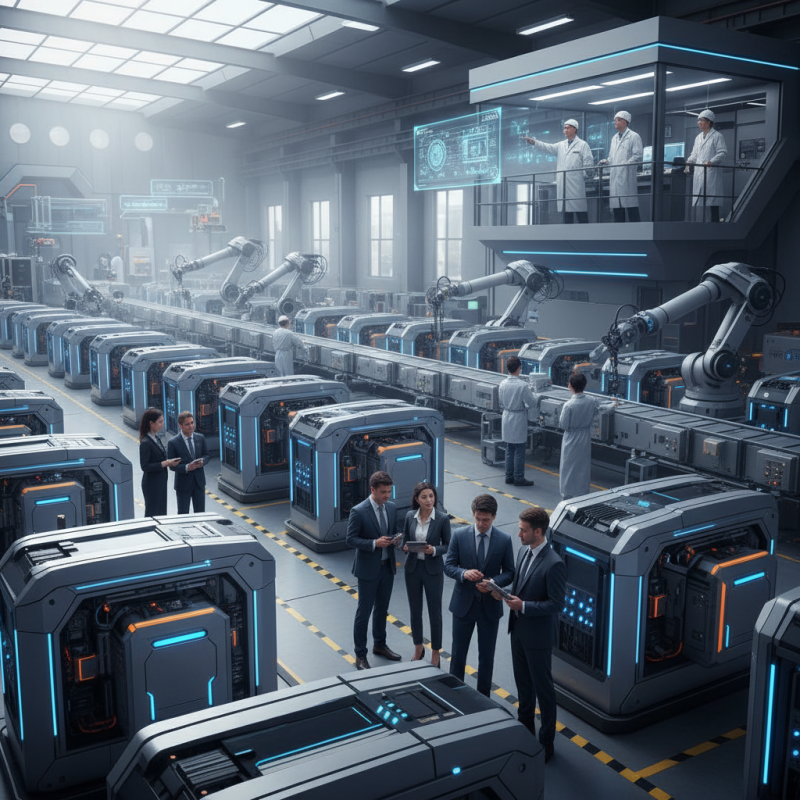
Frequency converters play a crucial role in modern industrial applications. These devices adjust motor speed and torque by changing electrical frequency. The importance of frequency converters is evident across various sectors. In manufacturing, they enhance efficiency by enabling precise control of machinery. Reports indicate that the global frequency converter market is expected to reach USD 10 billion by 2025, highlighting their rising demand.
Moreover, frequency converters improve energy savings. A study by the International Energy Agency found that using variable frequency drives can reduce energy consumption by up to 50%. This reduction directly correlates with lower operational costs. However, not all frequency converters are created equal. Quality varies significantly, and selection is vital. Global buyers often face challenges in identifying reliable products. They must balance cost with performance and longevity.
Additionally, there are concerns about compatibility and integration. Some converters may not work well with existing systems. This issue underscores the need for thorough research and expert guidance. In an evolving market, understanding the technical specifications is crucial. Buyers should consider factors such as input voltage and control method. Their choices can dramatically affect productivity and return on investment.
Top 10 Frequency Converters from China for Global Buyers
| Model | Power Rating (kW) | Input Voltage (V) | Output Voltage (V) | Efficiency (%) | Features |
| FC-1 | 5 | 220 | 110 | 95 | Compact design, high efficiency |
| FC-2 | 10 | 380 | 220 | 97 | Built-in protection features |
| FC-3 | 15 | 400 | 230 | 95 | User-friendly interface |
| FC-4 | 20 | 480 | 240 | 96 | Multiple output options |
| FC-5 | 25 | 200 | 100 | 98 | Remote monitoring capability |
| FC-6 | 30 | 380 | 220 | 99 | High load capacity |
| FC-7 | 35 | 440 | 220 | 95 | Advanced cooling systems |
| FC-8 | 40 | 480 | 240 | 96 | Modular design for easy maintenance |
| FC-9 | 50 | 220 | 110 | 98 | Low harmonics distortion |
| FC-10 | 60 | 380 | 210 | 97 | Extensive customization options |
Criteria for Selecting Frequency Converters from China
When selecting frequency converters from China, buyers should consider several critical factors. Reliability is essential; a solid reputation can indicate a product's performance. Industry reports highlight that around 15% of converters fail under heavy loads. Assessing durability can save costs in the long run.
Another key criterion is efficiency. Look for products with a high efficiency rating, ideally above 95%. According to industry data, energy-efficient converters can reduce operational costs by 20% per year. Technical support also matters. Buyers should check if the manufacturer provides adequate resources during installation and maintenance.
Lastly, consider the variety of features. Many converters now include advanced options like digital displays and communication protocols. These features can enhance usability but might complicate decision-making. Make sure the chosen product aligns with specific application needs. Balancing complexity and functionality remains a challenge for many buyers.
Top Chinese Manufacturers of Frequency Converters
When it comes to frequency converters, China has emerged as a notable source for global buyers. Chinese manufacturers often leverage advanced technology to produce reliable and efficient frequency converters. These devices offer crucial functionalities in various sectors, from industrial to renewable energy industries. Manufacturers focus on quality control and innovation, ensuring products meet international standards.
Many Chinese companies prioritize customer feedback in their development processes. This openness helps them refine their offerings and better serve the global market. However, not all manufacturers maintain consistent quality. Some may compromise on materials to reduce costs. Buyers should conduct thorough research and consider supplier reputation before making decisions.
Customer support is another critical aspect to evaluate. Leading manufacturers often provide extensive after-sales service to ensure optimal performance. Still, some companies may lack this focus. Reliable and responsive support can significantly enhance user experience. Buyers should weigh these factors carefully to choose the right frequency converter for their needs.
Top 10 Frequency Converters - Market Share Analysis
This chart illustrates the market share distribution of top frequency converters based on recent data. The values represent the percentage share of each converter type in the global market, highlighting the preferences among buyers.
Detailed Reviews of the Top 10 Frequency Converters
In the world of industrial automation, frequency converters play an essential role. They adjust the speed and torque of electric motors, which allows for energy savings and improved performance. When selecting a frequency converter, it’s crucial to consider several factors. These include input/output voltage range, operational environment, and control features.
Many products in the market boast exceptional specifications. However, the real-world performance might not match these claims. It's essential to investigate user reviews and feedback. This helps in identifying potential issues. Some users have reported challenges with programming interfaces. Others have found installation processes to be less intuitive than expected.
A frequency converter should fit seamlessly into your existing systems. Compatibility can sometimes be overlooked. Furthermore, ongoing support and service availability are vital. Even the best products can face issues down the line. Having a reliable support team can make a significant difference. So, while you explore your options, keep these factors closely in mind.
Global Market Trends and Demand for Chinese Frequency Converters
The demand for frequency converters has grown significantly in recent years. Various industries, including manufacturing and renewable energy, rely heavily on these devices. This trend is particularly evident in global markets seeking high-efficiency solutions. Chinese manufacturers have emerged as key players in this sector. Their frequency converters are known for reliability and cost-effectiveness.
However, not all products meet the same standards. Buyers must ensure thorough research before making a purchase. Quality can vary widely among different suppliers. Understanding specific needs, such as power ratings and application types, is crucial. There are instances where lower-priced options fail to deliver long-term performance, leading to increased operational costs.
Market trends indicate a shift towards smart and upgraded frequency converters. The integration of IoT technology is becoming more common. These advanced features create convenience and efficiency. Yet, choosing the right product remains a challenge. Buyers should weigh the benefits against potential drawbacks before committing. As the market evolves, staying informed will be essential for making sound decisions.
