Top Tips for Sourcing High Quality Titanium Plates?
When sourcing high-quality Titanium Plates, it is crucial to understand the market and its complexities. Titanium plates offer excellent strength-to-weight ratios and corrosion resistance, making them vital in various industries. However, navigating supplier options can be challenging.
Establishing a strong relationship with reputable suppliers is key. Look for companies with a proven track record and positive reviews. Certifications and quality assurance processes are critical indicators of reliability. Ask for samples to assess the material's quality before committing to larger orders.
Knowledge of specific grades and standards related to titanium plate is essential. Different applications may require distinct specifications. Engage with experts to understand what suits your needs best. While many suppliers present attractive offers, not all may meet those stringent quality requirements. Don’t rush; thorough research will ultimately save time and costs.
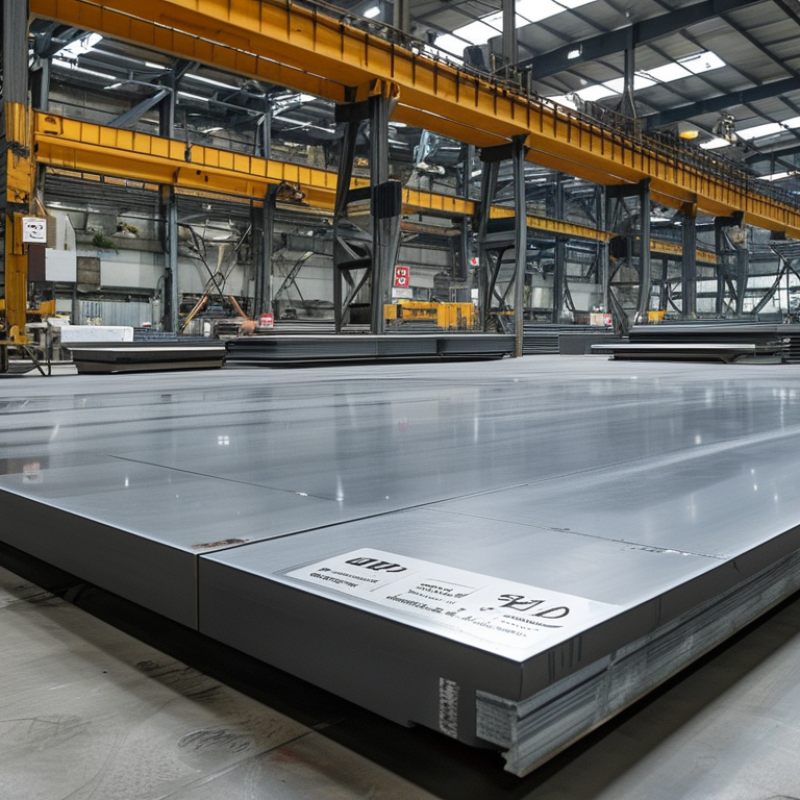
Understanding Titanium Plate Specifications and Grades
Understanding titanium plate specifications and grades is crucial for sourcing high quality materials. Titanium plates come in various grades, each with distinct properties. Grade 2 titanium, for example, offers excellent corrosion resistance, making it ideal for marine applications. Grades 5 and 12, on the other hand, possess higher strength and heat resistance, suitable for aerospace needs. Knowing these specifications helps buyers make informed decisions.
It's important to consider the manufacturing processes behind these plates. The method used can affect the plate's quality. Processes like hot rolling and cold working can change properties significantly. Some manufacturers may not provide detailed specifications. This creates uncertainty. Always ask for comprehensive documentation that outlines chemical composition and mechanical properties. Understanding how these factors influence performance can help in avoiding costly mistakes.
Sourcing high quality titanium also involves understanding industry standards. Standards ensure that the plates meet specific criteria for safety and longevity. However, not all suppliers comply with these standards. This disparity can lead to issues. Researching suppliers and their adherence to regulations can mitigate risks. Rely on trusted sources and always verify claims. Quality materials start with informed sourcing decisions.
Assessing the Impact of Material Purity on Titanium Quality
Material purity plays a critical role in determining the quality of titanium plates. Studies have shown that titanium with impurities can lead to poor mechanical properties. For example, the presence of even 0.1% nitrogen can significantly reduce ductility. This reduced ductility may cause the material to behave unpredictably under stress.
In industries like aerospace, high purity is non-negotiable. According to a 2022 report by the International Titanium Association, titanium with a purity level over 99.5% offers superior strength and corrosion resistance. Applications in harsh environments require such high standards. On the other hand, sourcing lower-grade titanium might save costs but might risk performance in demanding situations.
Inspecting titanium plates for purity remains essential. Techniques such as glow discharge mass spectrometry can detect trace elements. Engaging experienced suppliers that can provide detailed composition analysis is crucial. A lack of rigorous testing methods can lead to costly mistakes. Hence, knowing the sources and verifying their claims can foster better outcomes.
Evaluating Suppliers: Key Certifications and Industry Standards
When evaluating suppliers for high-quality titanium plates, certifications play a crucial role. Key certifications include ISO 9001, which emphasizes quality management systems. A supplier with this certification proves commitment to quality. According to a report by ASTM International, over 60% of engineers and procurement officers consider certification a key selection criterion.
In addition to ISO certification, it’s essential to check compliance with relevant industry standards like ASTM F136. This standard specifically addresses titanium alloy specifications for surgical implant devices. Suppliers that adhere to these standards demonstrate expertise and reliability. Further research shows that 78% of companies prefer suppliers who can verify their compliance with these specifications.
It’s important to note that certifications alone do not guarantee quality. A supplier may possess the right certifications but still fail to meet expectations. Regular audits and feedback loops can help uncover these discrepancies. Some companies report that verification processes often reveal gaps in production quality. Ensuring ongoing assessments can lead to improved supplier relationships and product outcomes.
Top Tips for Sourcing High Quality Titanium Plates
| Supplier Name | Certifications | Industry Standards | Material Quality | Lead Time (Weeks) |
| Supplier A | ISO 9001, ASTM | ASTM B265 | Grade 2 | 6 |
| Supplier B | ISO 13485, AS9100 | ASTM B338 | Grade 5 | 4 |
| Supplier C | ISO 9001 | ASTM B348 | Grade 7 | 8 |
| Supplier D | ISO 9001, NADCAP | ASTM B381 | Grade 23 | 5 |
Exploring Common Titanium Plate Applications in Aerospace and Medical Fields
Titanium plates play a crucial role in aerospace and medical applications due to their excellent strength-to-weight ratio, corrosion resistance, and biocompatibility. In aerospace, titanium plates are used in structural components, engine parts, and airframes. The global titanium market in aerospace is projected to reach 6.3 billion USD by 2024, driven by demand for lightweight and durable materials. However, sourcing high-quality titanium plates can be challenging due to the variability in production methods and specifications.
For the medical field, titanium is preferred for implants and surgical instruments. Over 90% of orthopedic implants utilize titanium, due to its non-reactive properties. Its ability to integrate with bone tissue makes it ideal for hip and knee replacements. However, not all titanium products meet stringent medical standards. Verifying certifications and testing results is essential to ensure safety and efficacy.
Tip: Always assess the supplier's quality control processes. Request documentation of material composition and mechanical properties before making a decision.
In addition to aerospace and medical industries, titanium's use in other fields is growing. However, mismatches in specifications can lead to failures. Therefore, close attention to detail is vital when selecting titanium plates for critical applications.
Tip: Regularly review industry reports for updates on titanium quality standards. Staying informed can help you make better sourcing choices.
Top Tips for Sourcing High Quality Titanium Plates
The following chart illustrates the common applications of high-quality titanium plates in various industries, specifically focusing on aerospace and medical fields. This data highlights the increasing demand for titanium plates due to their unique properties.
Analyzing Cost Factors and Market Trends for Titanium Plates
When sourcing high-quality titanium plates, understanding cost factors is crucial. The price can vary significantly based on material purity, thickness, and form. Market trends play a pivotal role in setting these prices. Currently, increased demand in aerospace and biomedical industries pushes costs up. It's vital to analyze market data before purchasing.
Tips for sourcing effectively include researching raw material suppliers and understanding their market reputation. Verify certifications and quality standards. Collaborate with vendors who provide transparent pricing. This will help mitigate unexpected costs.
Monitoring industry news can also reveal price fluctuations. Economic conditions and trade agreements influence supply chains. It's common for prices to surge during high-demand periods. Build strong relationships with suppliers to stay informed about potential shifts in the market.
