Essential Tips for Choosing the Right PVC Tarpaulin?
Choosing the right PVC Tarpaulin can be a daunting task. With numerous options available, it’s essential to make informed decisions. Renowned industry expert, John Mitchell, once stated, "The quality of PVC Tarpaulin can significantly impact its durability." His insight highlights the importance of assessing material quality.
When selecting PVC Tarpaulin, consider thickness and weight. A heavier tarpaulin offers better protection against harsh weather. Look for UV resistance too. It prevents material degradation from sunlight exposure. Many overlook these details, risking premature wear and tear.
Additionally, color can influence heat absorption. Lighter colors reflect sunlight, keeping the area cooler. Some users might not realize how much color affects functionality. Testing different brands is also vital. Not all manufacturers meet the same standards. Researching ensures you find the best fit for your needs. Always remember, a thoughtful choice leads to better outcomes.
Understanding the Different Types of PVC Tarpaulin Materials
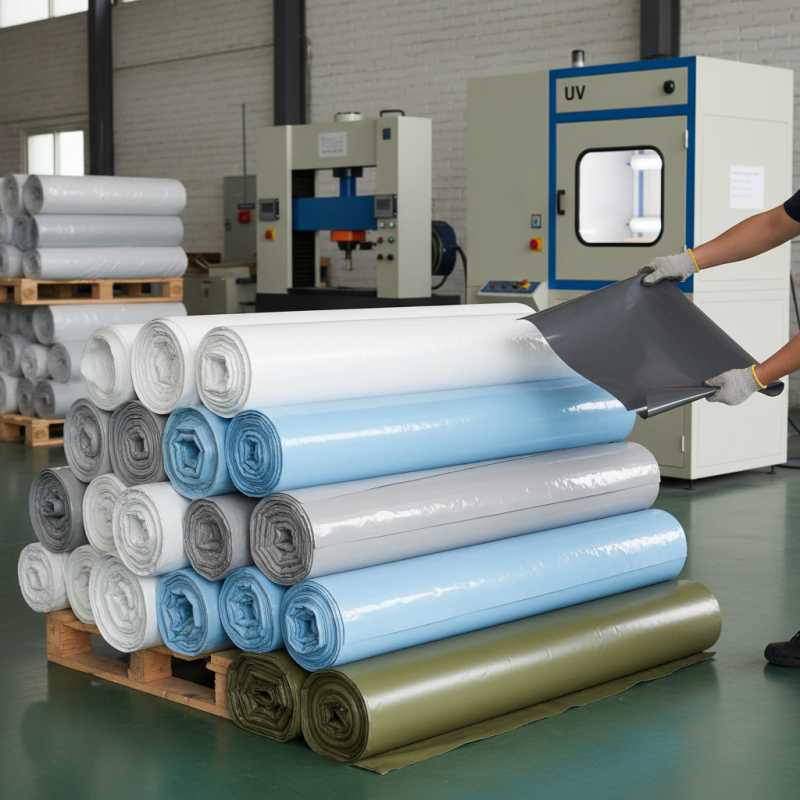
When choosing the right PVC tarpaulin, understanding the different types of materials is crucial. PVC tarpaulin is known for its durability and water resistance. However, not all tarpaulins are created equal. Each type serves different purposes and has unique features. For instance, some are reinforced with mesh, making them suitable for heavy-duty use. Others are coated for added weather resistance, ideal for outdoor applications.
It's important to consider the weight of the tarpaulin. A lighter tarp is easier to handle but may not withstand harsh conditions. Conversely, heavier options can be cumbersome but offer more protection. Look for UV-resistant tarpaulins if they will be exposed to sunlight. The color can also affect heat absorption and visibility. Clear tarpaulins allow light in but lack privacy.
Another aspect to reflect on is the price. Cheaper doesn't always mean better. Sometimes, investing more gets you a product that lasts longer. Patching and repair might save costs over time. However, if the original quality is poor, those repairs could be frequent. This is where understanding the material's specifications plays a vital role in making an informed decision.
Essential Tips for Choosing the Right PVC Tarpaulin
| Feature | Lightweight PVC | Heavy Duty PVC | Flame Retardant PVC | UV Resistant PVC |
| Thickness | 0.3-0.5 mm | 0.6-1.0 mm | 0.5-0.8 mm | 0.5-0.7 mm |
| Weight | 150-200 g/m² | 300-500 g/m² | 250-400 g/m² | 200-350 g/m² |
| Best For | Temporary coverings | Permanent structures | Safety applications | Outdoor usage |
| Durability | Short-term | Long-term | Medium-term | Long-term |
| Waterproof | Yes | Yes | Yes | Yes |
Key Factors to Consider When Choosing PVC Tarpaulin Thickness
When choosing the right PVC tarpaulin, thickness is a crucial factor to consider. Thicker tarpaulins tend to be more durable. They can better withstand harsh weather and wear and tear. A thickness of 500 grams per square meter is common for heavy-duty applications. For lighter uses, a thickness of 300 grams can suffice. The choice really depends on your specific needs.
Consider where you will use the tarpaulin. If it will be outdoors, thicker options provide better protection against UV rays and heavy rain. Lighter tarpaulins may rip or fade, leaving you unprotected. If you're unsure, think twice before making a decision. It could cost more in the long run if you need to replace it sooner than expected.
Also, think about the weight. Thicker tarpaulins are heavier, making them harder to handle. If ease of transport is a priority, balance your choice. Reflect on your usage carefully. A minimal thickness might save you money, but consider the potential risks. Factors such as weather conditions and frequency of use should guide your final choice.
Essential Tips for Choosing the Right PVC Tarpaulin Thickness
This chart displays the recommended PVC tarpaulin thickness for various applications. Choosing the right thickness is crucial to ensure durability and performance.
Evaluating the Durability and Weather Resistance of PVC Tarpaulin
When evaluating the durability and weather resistance of PVC tarpaulin, several factors come into play. The thickness of the material is crucial. Research shows that a thickness of 0.5 mm can reduce wear by up to 20% in harsh conditions. Heavy-duty options, like those exceeding 0.8 mm, offer better protection against tearing and UV damage.
Weather resistance is another critical aspect. PVC tarpaulin is generally rated for use in extreme temperatures. Many products can withstand temperatures ranging from -30°C to +70°C. However, this doesn’t mean all options are created equal. Some lower-quality tarpaulins may fail after just a few months of exposure. Industry reports indicate that the best UV-resistant tarpaulin can block up to 95% of harmful sunlight, which prolongs the fabric's life.
In addition, consider the treatment methods used in the manufacturing process. Tarpaulins that are reinforced and have heat-sealed seams show higher resilience under fluctuating weather patterns. It's essential to check certifications and performance ratings from reliable sources. Some products might look good initially but falter after exposure, leading to waste and cost issues. Always weigh your options and seek out verified testing results.
Assessing Cost-Effectiveness: Budgeting for PVC Tarpaulin Options
When considering PVC tarpaulin options, cost-effectiveness plays a critical role. Determine your budget before diving in. It can help prevent overspending. Look for suppliers offering transparent pricing. Sometimes, low-cost options can lead to hidden fees. It’s crucial to ask about the warranty and lifespan. A cheaper tarpaulin may need replacements sooner.
Evaluate different pricing structures. Some manufacturers offer bulk discounts. Buying in bulk can lower your overall costs. However, this strategy requires careful assessment of your actual needs. If you only need one tarpaulin, bulk purchases might not be wise.
Different types of PVC tarpaulin vary in price. Heavy-duty options typically cost more. They provide better durability. However, lighter tarpaulins are cheaper but may not last as long under harsh conditions. Think about the intended use and environment. A high-quality tarp could save money in the long run. Remember, the cheapest option isn’t always the best one.
Identifying Suitable Uses and Applications for PVC Tarpaulin
PVC tarpaulins are versatile and useful materials. They are widely employed in various applications. From outdoor events to construction sites, their durability stands out. One common use is for protecting goods from the elements. They keep items dry and safe, even in harsh weather.
When identifying suitable uses, consider the environment. A PVC tarpaulin that performs well in rainy conditions might struggle under high heat. Not every type meets all needs. For instance, lighter tarpaulins can be better for events, whereas heavier ones suit industrial applications. Choose based on the specific requirements.
Reflect on the benefits and drawbacks. A PVC tarpaulin may not be biodegradable. This raises questions about environmental impact. Investing in a high-quality option could lead to better long-term use. Assess how often and in what conditions you will use it. This will help in making the right choice.
