Top 10 Tips for Successful Injection Molding Projects?
Injection molding projects are crucial in various industries. The global injection molding market is expected to grow significantly, reaching $300 billion by 2025. This growth highlights the increasing demand for molded products in sectors like automotive, consumer goods, and healthcare. However, successful projects are not without challenges. In fact, many companies face issues like production delays and cost overruns.
Understanding key factors can greatly enhance project outcomes. Design, material selection, and machine capability play vital roles. A study showed that 63% of project failures are linked to poor design choices. This statistic underscores the importance of thorough planning and collaboration among engineers and designers.
Moreover, the complexity of injection molding projects can lead to unforeseen difficulties. Issues such as improper cooling and inadequate material flow can arise. Companies must remain vigilant and adaptive to these realities. Reflecting on past experiences can help identify potential pitfalls. Emphasizing communication and continuous improvement is essential for navigating the path toward successful injection molding projects.
Understanding the Basics of Injection Molding Technology
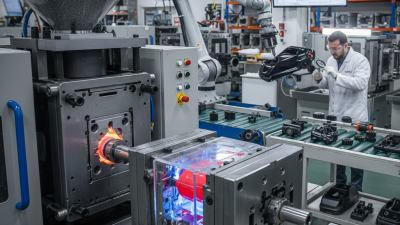
Injection molding is a versatile manufacturing process. It involves melting plastic and injecting it into molds. The result is a wide range of products. Getting it right requires an understanding of the basics.
Start by choosing the right materials. Different plastics have unique properties. Some are more durable, while others are flexible. Testing materials can reveal unexpected results. Make adjustments as necessary to achieve the desired outcome.
Effective communication is key. Ensure the design and production teams share the same goals. Miscommunication can lead to flaws. Keep everyone in the loop throughout the project.
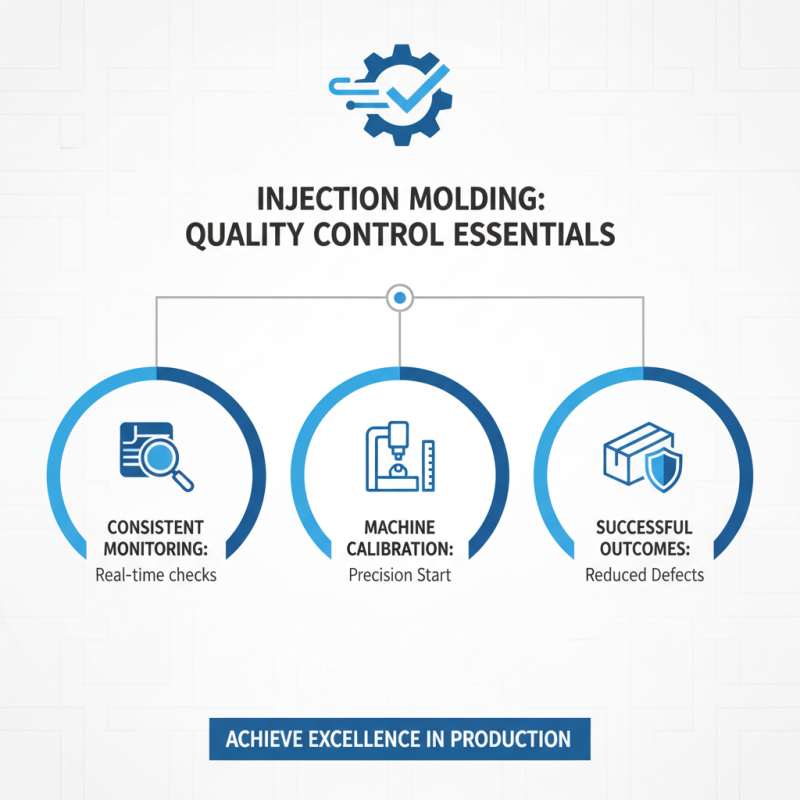
Quality control is crucial in injection molding. Regular checks minimize defects. Monitoring the temperature and pressure during the process can help. Changes in these factors can affect the final product. Embrace the learning process. Mistakes provide valuable insights for future projects.
Selecting the Right Materials for Your Injection Molding Project
Selecting the right materials is crucial for injection molding projects. Different materials have unique properties that affect the final product. For instance, thermoplastics are versatile and can be molded multiple times. They are ideal for complex shapes. Alternatively, thermosetting plastics offer strength and durability for high-performance applications. Understanding the differences is essential.
Cost is also a major consideration. Sometimes, the cheapest option may not offer the best performance. It’s important to assess the long-term benefits of each material. Conducting tests can reveal how different materials react under stress. The right choice can improve product longevity and reduce manufacturing issues. However, finding the perfect match often involves trial and error.
Additionally, environmental factors play a role. Some materials are more sustainable, while others may pose disposal challenges. Balancing functionality and eco-friendliness is vital. It’s easy to overlook these aspects during the early stages of a project, leading to potential regrets later. Careful upfront planning can pay off significantly in the long run.
Designing Effective Molds for Optimal Production Efficiency
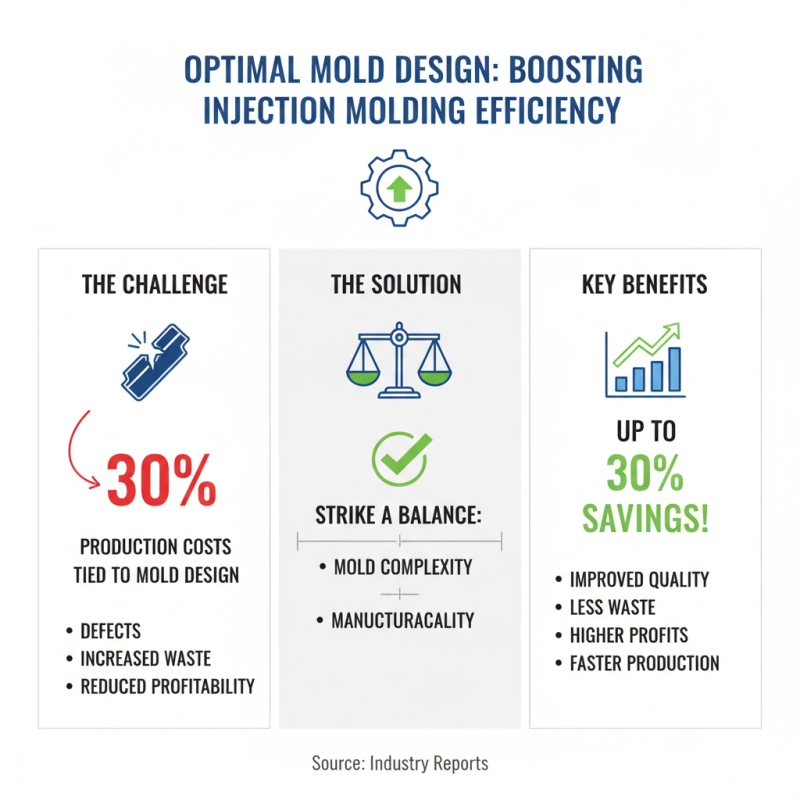
Designing effective molds is crucial for optimal production efficiency in injection molding projects. According to industry reports, up to 30% of production costs are directly tied to mold design. Poorly designed molds can lead to defects, increasing waste and reducing profitability. Striking the right balance between mold complexity and manufacturability is key.
One tip for achieving effective mold design is to ensure proper cooling channel placement. Properly designed cooling channels can reduce cycle time by up to 25%. This translates to lower operational costs and improved output. Keep in mind that mold materials also matter. The right materials can enhance durability and ensure consistent quality throughout production.
Furthermore, collaborating with engineers early in the design phase is crucial. Their insights can uncover potential issues before they escalate. However, many teams overlook this step, resulting in costly adjustments later. Engaging all stakeholders can lead to a more efficient design process and better overall results. This process may involve reworking initial drafts, which can be frustrating but often leads to better outcomes. Execution is important but reflection on design choices can yield significant improvements.
Troubleshooting Common Issues in Injection Molding Processes
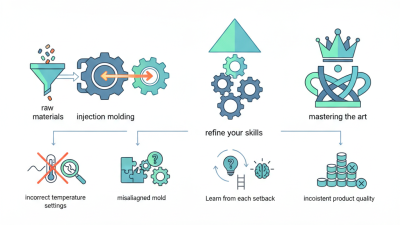
Troubleshooting common issues in injection molding requires a keen eye for detail. Often, problems arise during the initial setup phases. Misalignment of mold halves can lead to part defects. Inspect the mold regularly, noting any wear or damage. Adjust the alignment carefully; a small shift can cause significant issues.
Temperature control is another critical factor. If the material is too hot or too cold, it won't flow properly. This can result in uneven surfaces or incomplete fills. Monitor the temperature settings closely. If you notice fluctuations, consider recalibrating the equipment. Sometimes, a simple adjustment can save a batch of parts.
Additionally, watch out for material inconsistencies. Variations in the resin can lead to unexpected results. Some batches may not perform as expected, creating defects. Keep detailed records of your materials. This helps identify patterns or problematic sources. Analyzing this data critically can help improve future projects. Recognizing these nuances often leads to better outcomes.
Top 10 Tips for Successful Injection Molding Projects
| Tip Number |
Tip Description |
Common Issue Addressed |
| 1 |
Optimize Material Selection |
Material defects and inconsistencies |
| 2 |
Control Process Temperature |
Uneven cooling and warpage |
| 3 |
Ensure Proper Equipment Maintenance |
Mechanical failures |
| 4 |
Design for Manufacturability |
Complex geometries causing issues |
| 5 |
Conduct Thorough Mold Testing |
Mold defects leading to rejects |
| 6 |
Use Quality Assurance Protocols |
Inconsistent product quality |
| 7 |
Optimize Fill Times |
Short shots or overpacking |
| 8 |
Train Operators and Staff |
Human error in operation |
| 9 |
Analyze Cycle Times |
Inefficient production |
| 10 |
Collect Feedback for Continuous Improvement |
Recurrent issues not being resolved |