What is a Rotary Compressor and How Does It Work?
When exploring the world of HVAC and refrigeration, one must understand the importance of a Rotary Compressor. Industry expert, Dr. Emily Hart, states, "The efficiency of a system often hinges on the choice of compressor." This sentiment highlights the critical role a Rotary Compressor plays in cooling systems.
Rotary Compressors are vital for their compact design and energy efficiency. They come with fewer moving parts, leading to less maintenance. This technology compresses refrigerants efficiently, making it popular in residential and commercial applications. Many homeowners rely on these systems for reliable cooling.
However, there are challenges. Not every Rotary Compressor suits every application. Choosing the wrong model can lead to inefficiencies. Users must consider the specific needs of their systems. Researching and consulting experts is essential before making decisions. Balancing efficiency and power is crucial for optimal performance.
Definition and Overview of Rotary Compressors
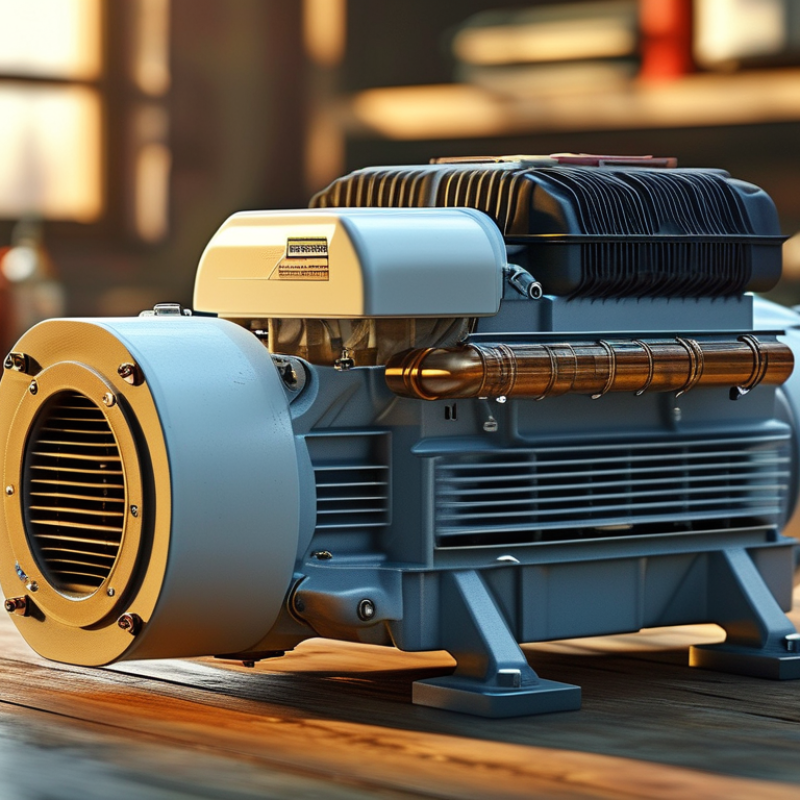
Rotary compressors are essential in various applications, particularly in refrigeration and air conditioning systems. These devices work by utilizing a rotating mechanism to compress the refrigerant gas. This process increases the gas's pressure and temperature, allowing it to be cycled effectively through the system. Unlike traditional piston compressors, rotary compressors are known for their compact size and quiet operation.
The design features two or more rotors that interleave as they spin. This movement traps the refrigerant gas and reduces its volume, leading to compression. A rotary compressor can deliver more consistent performance compared to other types. However, these compressors also have their challenges. They can be sensitive to improper maintenance, which might lead to efficiency loss. Regular inspections are crucial for optimal performance.
While rotary compressors often promise reliability, they may not always suit all applications. Factors such as temperature and required pressure levels must be considered to ensure functionality. Users should remain informed about the specific needs of their systems. A deeper understanding fosters better decision-making. In the world of HVAC, knowledge and attention to detail make the difference between success and failure.
Working Principle of Rotary Compressors
Rotary compressors are essential in various cooling systems. Their design relies on a simple yet effective working principle. The rotary compressor operates by using a rotating mechanism to compress gases. Typically, this occurs within a chamber where the gas enters at atmospheric pressure. As the rotor spins, it decreases the volume of the gas, leading to increased pressure. This process is efficient and compact, making rotary compressors popular in residential and commercial refrigeration.
According to data from the International Institute of Refrigeration, rotary compressors account for approximately 35% of all compressor sales worldwide. Their efficiency ratings have improved significantly, with many models achieving Energy Efficiency Ratio (EER) values above 12. Lower energy consumption during operation is a major selling point for these systems. However, users should consider maintenance, as wear can lead to efficiency losses over time.
**Tips:** Regularly check the oil levels in lubricated models to ensure proper function. Keeping the compressor clean reduces overheating risks. Monitor performance metrics to identify any drop in efficiency, which may indicate underlying issues. Emphasizing efficient use could help in reducing long-term costs and enhancing durability.
What is a Rotary Compressor and How Does It Work? - Working Principle of Rotary Compressors
| Feature | Description | Advantages | Applications |
| Structure | Uses rotating elements to compress air or refrigerant. | Compact size, fewer moving parts, and low vibration. | Refrigeration, air conditioning, and automotive applications. |
| Types | Scroll, vane, and screw compressors. | High efficiency and reliability. | Commercial HVAC systems, industrial processes. |
| Working Principle | Air is drawn in and compressed by rotation without extensive internal friction. | Less wear on components leads to longer life. | Home refrigeration units, commercial coolers. |
| Maintenance | Requires regular checks and occasional oil changes. | Simple maintenance procedures. | Used in manufacturing and seafood preservation. |
Types of Rotary Compressors and Their Applications
Rotary compressors come in various types, each serving unique applications in diverse industries. The two most common types are rotary vane and rotary screw compressors. Rotary vane compressors are used for low to medium-pressure applications, often seen in automotive and manufacturing sectors. They are compact, efficient, and effective in continuous operation. Their simplicity offers reliable performance, yet they may struggle at higher pressures.
On the other hand, rotary screw compressors excel in industrial settings where large volumes of compressed air are needed. These compressors provide a constant supply and are known for their durability. They operate efficiently under varying conditions, but initial costs can be high. A report by the International Energy Agency indicates that rotary screw compressors can improve energy efficiency by up to 20% compared to traditional piston types.
In terms of application, rotary compressors are pivotal in refrigeration, HVAC systems, and pneumatic tools. The versatility of these compressors allows industries to enhance operations while maintaining energy efficiency. However, their design may necessitate occasional maintenance, and understanding the specific needs of the application is crucial for optimal performance. Each type presents distinct advantages and challenges, making careful evaluation essential for users.
Types of Rotary Compressors and Their Applications
Advantages and Disadvantages of Rotary Compressors
Rotary compressors are widely used in various applications, including refrigeration and air conditioning. They operate by using rotary motion to compress gas, which allows for efficient cooling. However, like any technology, they come with their advantages and disadvantages.
One significant advantage is their compact design. Rotary compressors are smaller and lighter compared to piston compressors. This makes installation easier in tight spaces. Additionally, they are known for their quiet operation. This can be a key factor in residential applications where noise is a concern. Their efficiency is another strong point. Rotary compressors often consume less power, resulting in lower energy bills.
However, there are downsides to consider. Rotary compressors can be more susceptible to overheating. If not properly maintained, their lifespan may decrease significantly. Moreover, they tend to have limited capacity for high-pressure applications. In some situations, they may also struggle with vapor and liquid handling, leading to performance issues. These factors are essential to reflect upon when choosing the right compressor for specific needs.
Maintenance and Troubleshooting for Rotary Compressors
Rotary compressors are essential in various industries, providing efficient refrigeration and air conditioning solutions. However, they require regular maintenance to perform optimally. Neglecting routine checks can lead to inefficient operation or complete failure. According to industry reports, over 30% of compressor failures are linked to inadequate maintenance. This statistic highlights the importance of vigilance in care and oversight.
Regular oil changes are crucial. The oil lubricates components and helps dissipate heat. Dirty oil may lead to increased wear and tear. The recommended interval for oil changes can range from 1,500 to 3,000 hours of operation, depending on the environment and compressor load. Additionally, air filters should be inspected frequently. Clogged filters restrict airflow and can dramatically decrease efficiency.
Troubleshooting is key for timely repairs. Common symptoms like unusual noise or vibration can indicate internal issues. Identifying problems early can prevent costly downtime. Monitoring discharge pressure and temperature also aids in early detection. Take time to perform regular inspections. Investing in upkeep pays off in the long run, ensuring your rotary compressor operates smoothly and efficiently.
