What is Reflective Workwear and Why is it Important?
reflective workwear plays a crucial role in ensuring safety in various job environments. According to John Smith, an expert in occupational safety, "Reflective wear can save lives. Visibility is key." In high-risk settings, like construction zones or roadside work, being seen can make all the difference.
Many workers overlook the importance of wearing appropriate reflective clothing. It's not just a suggestion; it's a necessity. Proper reflective workwear helps to highlight a worker's presence, especially in low-light conditions. Imagine a construction worker wearing faded clothing versus one clad in bright, reflective gear. The latter stands out, reducing risks of accidents.
Yet, the industry struggles with some imperfections. Not every company prioritizes safety gear. Some workers resist wearing reflective clothing because they feel it’s uncomfortable or unfashionable. This raises concerns. Safety must always come first, despite personal preferences. Reflective workwear is essential for creating a safer work environment, and reflections on its necessity should inspire change.
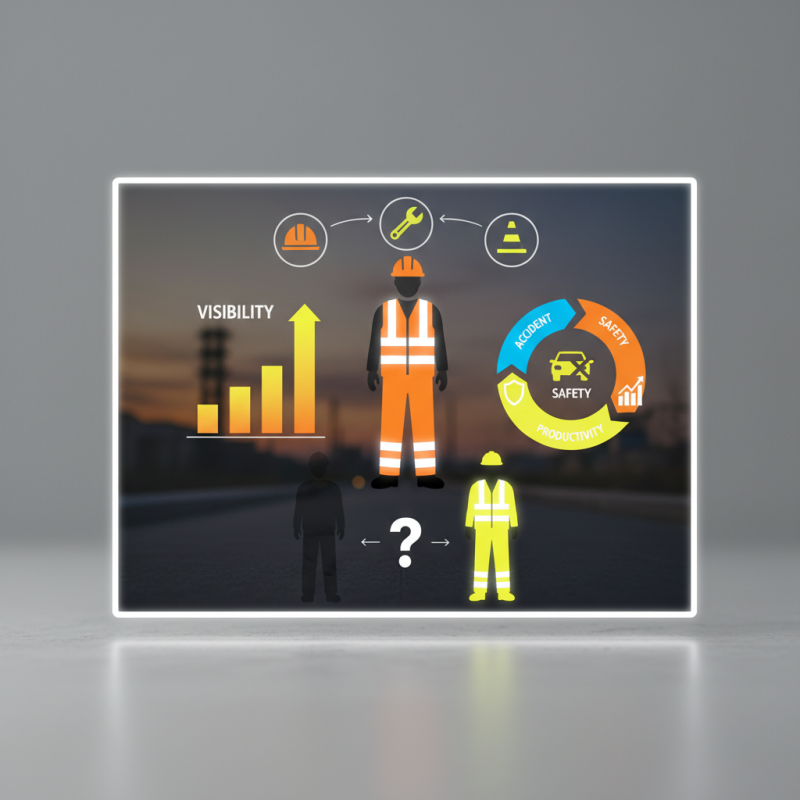
Definition of Reflective Workwear and Its Key Features
Reflective workwear plays a crucial role in ensuring safety for individuals in various industries. This type of clothing is designed to enhance visibility in low-light conditions. Key features include bright colors and reflective materials that catch light. Workers in construction, road work, and emergency services often wear these garments.
Bright colors like fluorescent yellow or orange are common. These shades help workers stand out against backgrounds. Reflective strips are usually placed strategically on jackets, vests, and trousers. They reflect light from vehicles, making workers visible at night or in foggy conditions. This visibility is essential for preventing accidents.
Tips: Always check the condition of reflective wear. Faded or damaged materials are less effective. Regularly replace worn-out items. Proper fit is also important. Loose clothing may obstruct movement. Tight clothing can cause discomfort. Reflect on your needs and working environment. Choose the right type of reflective workwear for maximum safety.
The Role of Reflective Workwear in Enhancing Visibility and Safety
Reflective workwear plays a crucial role in enhancing visibility and safety in various working environments. It incorporates bright colors and reflective materials that catch the light. This visibility is essential in places like construction sites or roadside work.
Workers often face risks from moving vehicles. A simple reflective vest can be the difference between a close call and a serious accident. However, it’s not just about the gear. Many workers neglect to wear this essential clothing properly. Some may choose to ignore prescribed safety measures, thinking, “It won’t happen to me.” This attitude can lead to dangerous consequences.
The effectiveness of reflective workwear also relies on the environment. In low-light conditions, visibility is reduced. Rain and fog make it even harder to see. Reflective materials reflect headlights and other lights, but only if they’re clean and intact. This detail is often overlooked. Regular checks and proper maintenance are vital. Skipping these can diminish the protective benefits, leading to potential hazards on the job. ☀️
Common Industries and Occupations That Require Reflective Workwear
Reflective workwear is crucial in various industries. Many jobs require workers to be visible for safety. Construction sites are a prime example. Workers often operate near heavy machinery and traffic. Brightly colored vests with reflective stripes help increase visibility. This reduces the risk of accidents significantly.
Road maintenance crews also rely on reflective clothing. They work in challenging environments, often at night or in poor weather. Wearing reflective gear ensures they can be seen by drivers. Emergency responders, such as police and firefighters, must wear similar attire. These professionals face unpredictable situations. Being easily seen can save lives.
In addition, workers in warehouses and factories need reflective clothing. They navigate crowded spaces with heavy equipment. Visibility plays a key role in preventing injuries. There is a need for strict compliance with safety regulations. However, sometimes, workers overlook the importance of wearing proper gear consistently. Even a small lapse can lead to dangerous situations. Reflective workwear is not just a requirement; it’s a fundamental aspect of workplace safety.
Standards and Regulations Governing Reflective Workwear Usage
Reflective workwear is essential for ensuring safety in various work environments, especially in low-light conditions. Standards and regulations play a pivotal role in its effectiveness. Organizations often adhere to guidelines set by safety administrations. These regulations outline the minimum visibility standards required for different occupations, such as construction or roadwork.
Compliance with these standards is not always straightforward. Some companies may overlook proper reflective gear due to cost-cutting measures. This oversight can have serious implications. For instance, a worker without adequate visibility gear may struggle to be seen by passing vehicles, putting their life at risk.
Guidelines specify not only the brightness but also the placement of reflective materials on workwear. Reflective strips must be on specific areas to maximize visibility. Despite the clarity of these guidelines, many workers still find themselves in subpar conditions. It's crucial to regularly review these regulations and ensure that all team members are equipped properly. Reflective workwear can save lives when used effectively.
What is Reflective Workwear and Why is it Important? - Standards and Regulations Governing Reflective Workwear Usage
| Category | Description | Standards | Importance |
| Class 1 | Low-risk situations where visibility is not problematic | ANSI/ISEA 107-2015 | Provides basic visibility; used in parking lots and warehouses. |
| Class 2 | Moderate risk environments where more visibility is needed | ANSI/ISEA 107-2015 | Enhances visibility in higher traffic areas, such as airport runways. |
| Class 3 | High-risk situations with low visibility | ANSI/ISEA 107-2015 | Critical for workers in roadside and emergency situations. |
| Water-Resistant | Workwear that provides protection against moisture | ASTM D751 | Essential for those working in wet conditions, ensuring comfort and safety. |
| Flame-Resistant | Protective wear that resists ignition and burns | NFPA 70E | Crucial for electrical and construction work, mitigating burn risks. |
Benefits of Using Reflective Workwear for Employee Protection and Compliance
Reflective workwear plays a vital role in enhancing employee safety. By incorporating reflective materials, these garments improve visibility in low-light environments. This clothing is especially crucial for workers in construction, road maintenance, and emergency services. Employees who wear it are more noticeable, reducing risks of accidents.
Tips: Ensure all reflective apparel fits well and is maintained regularly. Regular checks for wear and tear can save lives. Encourage workers to report any damaged items immediately.
Using reflective workwear also helps companies comply with safety regulations. Many industries mandate visibility gear to prevent accidents. Organizations that prioritize employee safety often see fewer workplace incidents. This commitment fosters a culture of care and accountability among staff.
Tips: Provide training on the importance of wearing reflective gear. Engage employees in discussions about enhancing safety. Consider feedback on their experiences and insights. This can improve safety protocols and make everyone feel involved.
