How to Measure Mold Pressure for Optimal Production Efficiency?
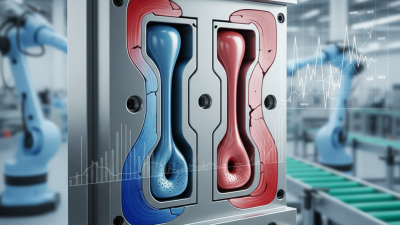
In the world of manufacturing, measuring mold pressure is crucial for achieving optimal production efficiency. Mold pressure directly impacts the quality of the final product. Higher or lower pressure levels can lead to defects. Understanding how to measure this pressure effectively can transform operational outcomes.
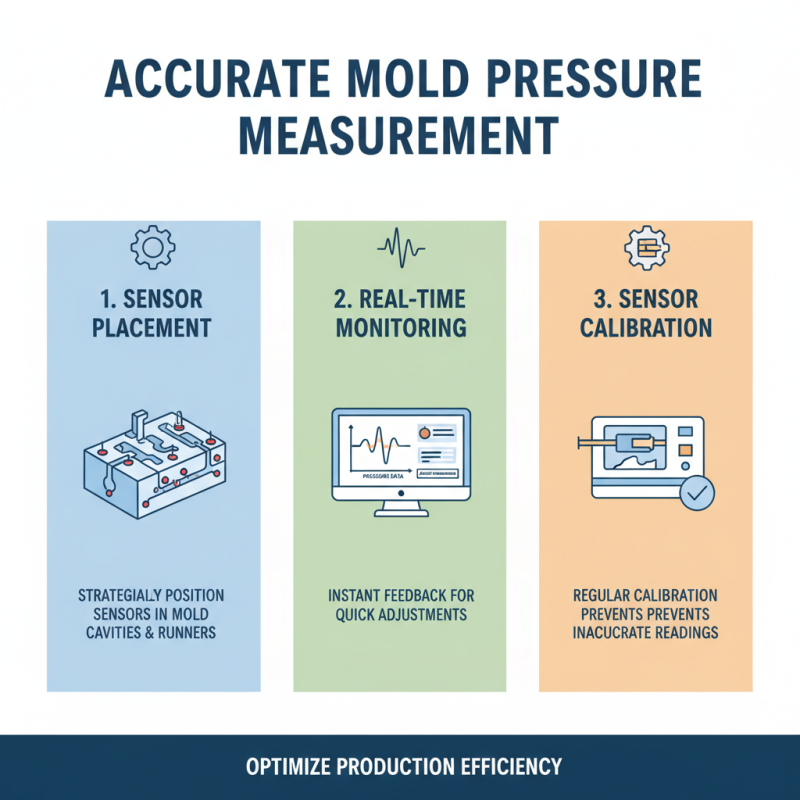
Accurate mold pressure readings require specialized tools and techniques. These measurements help identify inconsistencies in the molding process. Without proper monitoring, manufacturers may experience costly production delays. The relationship between mold pressure and output quality is complex.
Expert insights indicate that consistent pressure measurements enhance process control. However, achieving this consistency can be challenging. Factors such as temperature and material viscosity play significant roles. Reflecting on one’s measurement practices can lead to better results. A proactive approach in measuring mold pressure promotes reliability and efficiency in production.
Understanding Mold Pressure in Production Processes
Mold pressure plays a crucial role in production processes, affecting both quality and efficiency. Understanding this pressure helps manufacturers achieve better results. Accurate mold pressure measurements ensure that materials fill the mold properly. When the pressure is too high, it can cause defects. If it’s too low, the result may be incomplete products.
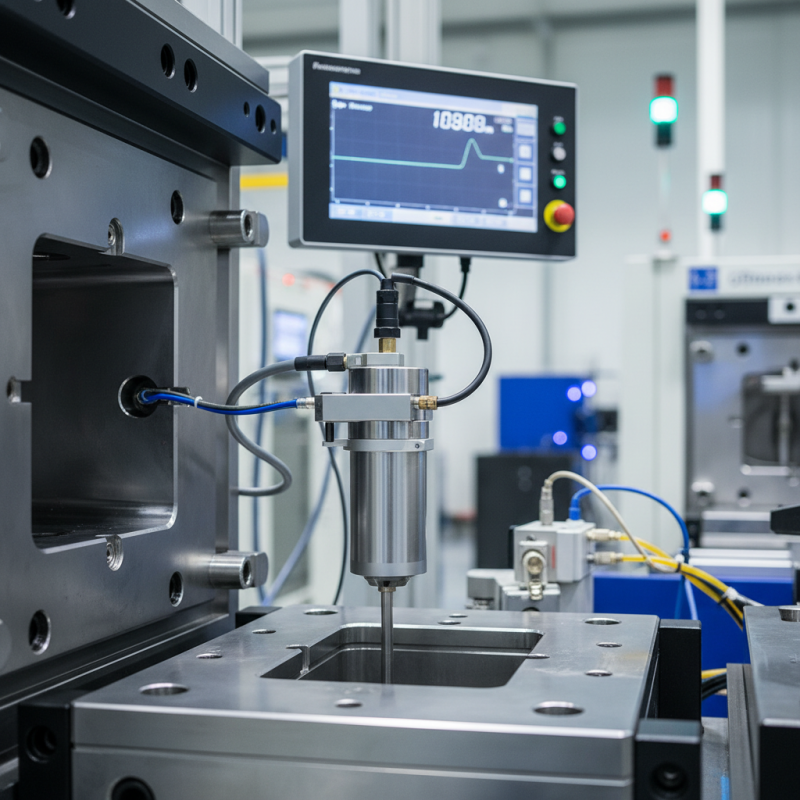
Monitoring mold pressure requires specific tools and techniques. Sensors are frequently used to gather real-time data. This data helps operators make timely adjustments. The ideal pressure varies based on materials and product design. Learning the optimum levels for specific applications can be challenging.
Many manufacturers overlook the importance of consistent monitoring. This can lead to increased waste and production delays. A deeper understanding of mold pressure dynamics is essential. Operators must be trained to interpret data effectively. Continuous assessment and recalibration can significantly enhance production efficiency. This approach allows for ongoing improvement and adaptation in a constantly changing manufacturing environment.
Understanding Mold Pressure in Production Processes
Importance of Measuring Mold Pressure for Efficiency
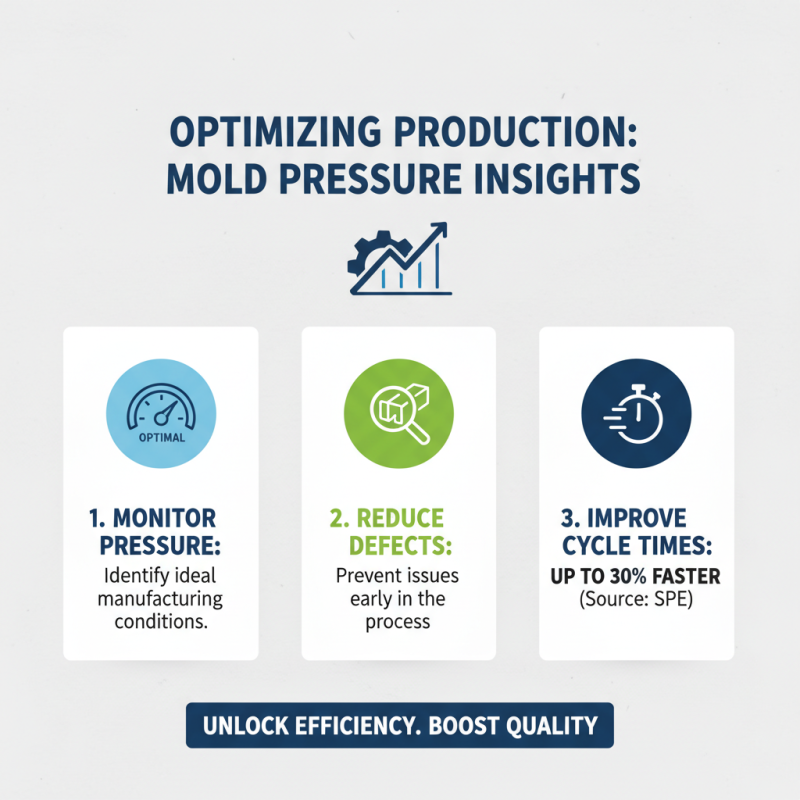
Measuring mold pressure is crucial for enhancing production efficiency in various manufacturing environments. Accurate mold pressure readings can prevent defects and reduce waste. Research indicates that maintaining optimal pressure levels can increase productivity by up to 25%. This results from a reduction in cycle times and an improved quality of final products.
Monitoring mold pressure helps identify issues early in production. Issues like incomplete fill or over-pressurization can be detected swiftly. Implementing real-time pressure monitoring systems can lead to a 15% reduction in defect rates. Consistent data collection enables manufacturers to analyze trends and adapt their processes accordingly.
Tips: Regularly calibrate gauges for accuracy. Utilize sensors that provide real-time feedback. Analyzing historical data assists in recognizing patterns that may lead to inefficiencies. By focusing on these areas, manufacturers can optimize their processes and enhance overall production effectiveness. Ensuring a responsive production line is more than just technology; it requires a commitment to continuous improvement and learning from mistakes.
Analyzing Data from Mold Pressure Measurements
Measuring mold pressure is crucial for maximizing production efficiency. Accurate data analysis from mold pressure measurements can reveal insights into the molding process. A 2022 industry report indicated that improper mold pressure settings can lead to a 20% increase in scrap rates. This highlights the importance of precise measurement techniques.
Collecting data from mold pressure requires reliable sensors. These sensors must be calibrated regularly to ensure accuracy. Inconsistent readings can lead to unpredictable results and inefficient production cycles. A study showed that 15% of manufacturers do not calibrate their equipment properly, which compromises data quality.
Analyzing the data obtained from these measurements can help identify trends and variations. Continuous monitoring enables manufacturers to make real-time adjustments. A detailed analysis revealed that optimizing mold pressure could improve cycle times by up to 25%. Such statistics demonstrate the significance of data-led decision-making in molding operations. Addressing these issues could lead to higher efficiency and reduced costs.
How to Measure Mold Pressure for Optimal Production Efficiency?
| Measurement Date |
Mold Pressure (psi) |
Temperature (°F) |
Cycle Time (seconds) |
Production Rate (units/hour) |
| 2023-09-01 |
1500 |
350 |
45 |
120 |
| 2023-09-02 |
1480 |
348 |
46 |
118 |
| 2023-09-03 |
1520 |
355 |
44 |
125 |
| 2023-09-04 |
1490 |
349 |
47 |
115 |
| 2023-09-05 |
1530 |
356 |
43 |
127 |