Low Pressure Injection Molding Tips for Optimal Results?
Low pressure injection molding is a crucial technique in modern manufacturing. It offers unique benefits, especially for creating complex parts. This method uses lower forces, which can lead to reduced material stress. However, achieving optimal results requires careful planning and execution.
Understanding the machinery is vital for success. Each machine has its quirks. Operators must familiarize themselves with specific settings and tolerances. Even small adjustments can impact the final product. Pay attention to the temperature and pressure settings. Inconsistent conditions may yield unsatisfactory results.
Quality control remains a significant concern. Parts produced via low pressure injection molding can sometimes have defects. Regular inspections help ensure quality. Identifying any shortcomings early prevents larger issues. Continuous learning and adaptation are necessary for excellence in this field. Every project teaches valuable lessons. Embrace the learning process to refine techniques and improve outcomes.
Understanding Low Pressure Injection Molding: Basics and Advantages
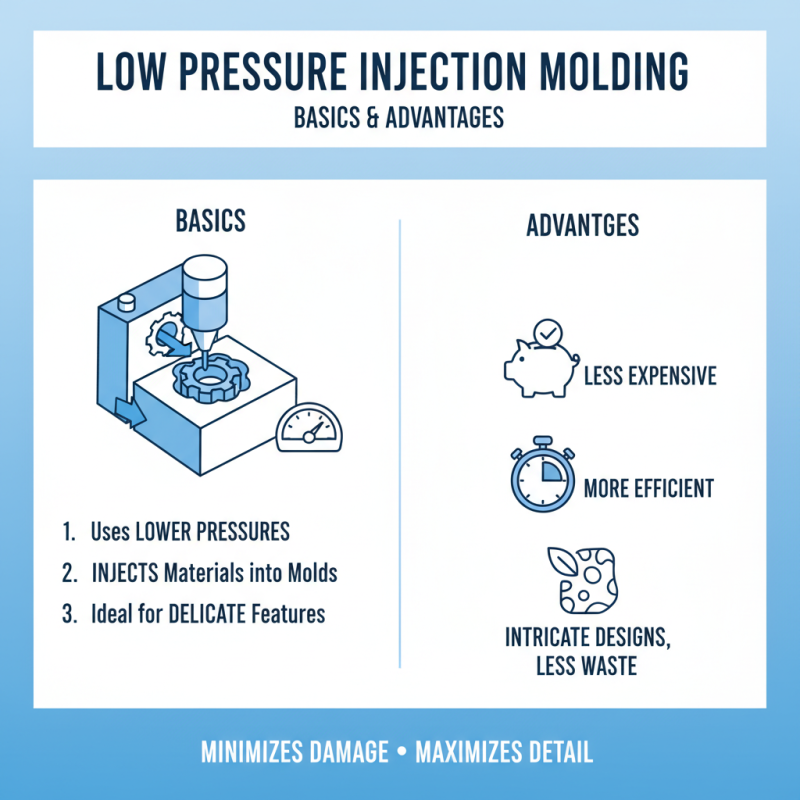
Low pressure injection molding is a fascinating process that many people overlook. It uses lower pressures to inject materials into molds. This technique can be less expensive and more efficient for certain applications. It is particularly beneficial for producing intricate designs without excessive waste. The reduction in pressure minimizes the risk of damaging delicate features during production.
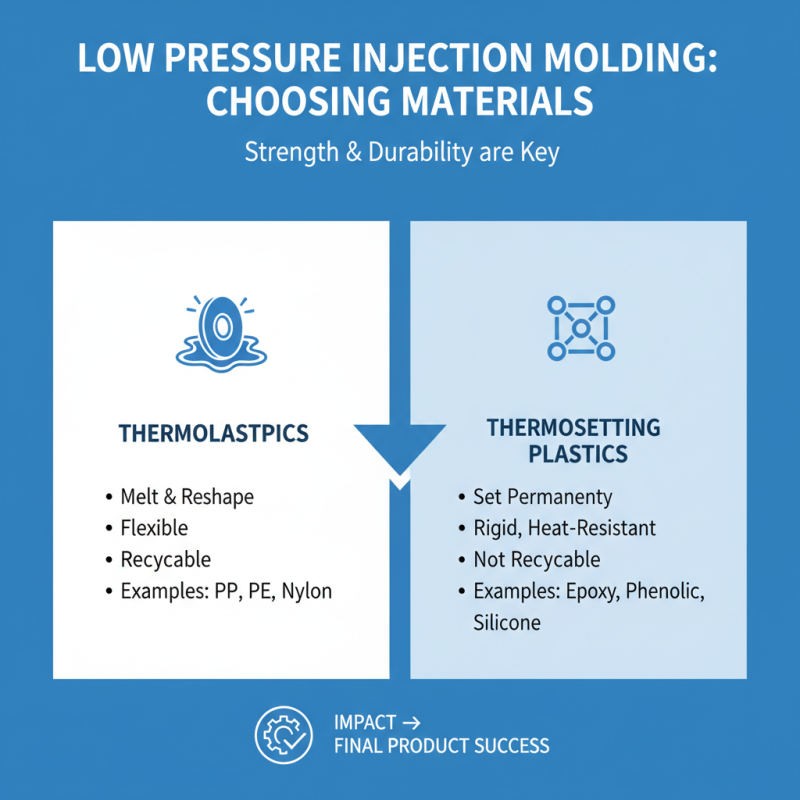
One of the key advantages is versatility. This method can accommodate a variety of materials, including thermoplastics and elastomers. However, it’s important to understand the limitations as well. Not every part benefits from low pressure; some may require traditional high-pressure methods. Additionally, mold design can be complex. Ensuring the right balance of pressure and temperature is crucial for success.
Engineers often need to experiment with different settings. Trial and error can lead to improved outcomes, but this requires patience. Even seasoned professionals encounter challenges. Fine-tuning the process may reveal unexpected issues, such as uneven flow. These factors compel designers to rethink their approach continuously. Embracing this iterative process can yield significant rewards in product quality and cost efficiency.
Essential Equipment and Settings for Effective Low Pressure Injection Molding
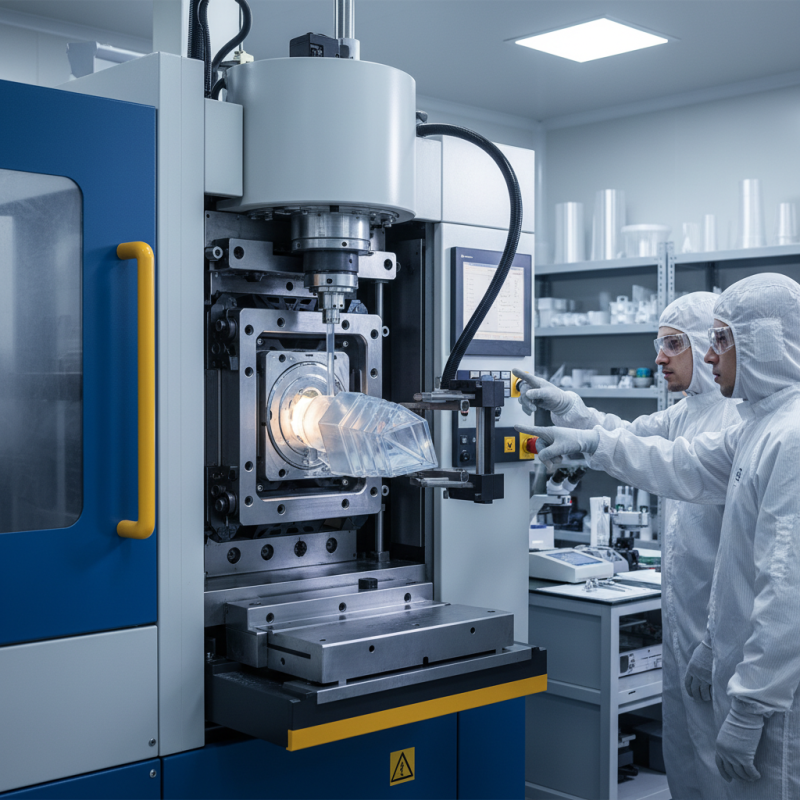
Low pressure injection molding is a cost-effective method for manufacturing. However, achieving optimal results requires specific equipment and settings. Choosing the right injection machine is crucial. The machine must have adjustable pressure settings. A range of 1 to 10 bar typically works well.
Temperature control is another significant factor. The melting point of materials varies. It’s important to set the temperature at the optimal levels for the material being used. Too high a temperature can degrade the material. Too low may lead to poor flow. Start with a baseline and adjust based on results.
Mold design plays an integral role too. Ensure the mold is designed to facilitate proper flow and cooling. Some molds require special venting designs to prevent air traps. Pay attention to cycle times, as they can be tricky. A shorter cycle time can lead to incomplete fills. Keep refining your process. Each trial gives you insights for improvement.
Tips for Optimizing Cycle Times and Reducing Defects in Molding
Optimizing cycle times in low pressure injection molding can significantly enhance production efficiency. A balanced temperature is crucial. Ensure that both the mold and the material are heated evenly. This helps in achieving a more uniform flow of the material. In contrast, inconsistent temperatures can lead to defects. Always check the heaters and setpoints regularly.
Another vital tip is to closely monitor injection speed. If the speed is too high, it can cause air entrapment. On the other hand, a slower speed might result in incomplete molds. Testing different speeds on small batches can provide insights. Adjust based on the material characteristics for the best outcome.
Consider regular maintenance of mold components. A worn-out mold can lead to surface defects. Additionally, using proper clamping force is essential to avoid flash and misalignment. Keeping the molds clean can prevent contamination. Not every run will be perfect, leading to defects or delays. Utilize these reflections to improve the process continuously. The key is to be adaptable and learn from imperfections.
Common Challenges in Low Pressure Injection Molding and Solutions
Low pressure injection molding offers a unique advantage in producing delicate parts. However, several challenges often arise during the process. One common issue is inconsistent flow of materials. This can lead to defects such as short shots or incomplete fills. Adjusting the injection speed and temperature can help address this problem. However, finding the right balance may require several trials.
Another hurdle is maintaining precise control over the pressure. Low pressure sometimes leads to air entrapment in the mold. This results in weak points within the finished product. To mitigate this, ensure proper venting in the mold design. It’s crucial to regularly check for any blockages that might impede airflow.
Moreover, machine calibration is vital but can be overlooked. Many operators may skip routine checks, leading to unpredictable results. It is essential to develop a consistent maintenance schedule. This will help identify any mechanical issues before they affect production. Recognizing these common challenges is the first step towards achieving optimal results in low pressure injection molding.