Why Low Pressure Injection Molding is the Future of Efficient Manufacturing
In the ever-evolving landscape of manufacturing, one technique stands out as a beacon of efficiency and sustainability: low pressure injection molding. According to industry expert Dr. Emily Richter, a leading voice in advanced manufacturing technologies,
"Low pressure injection molding not only minimizes material waste but also optimizes energy consumption, making it a game-changer for the industry."
This innovative approach offers a compelling alternative to traditional molding methods, addressing the growing demand for environmentally responsible manufacturing practices.
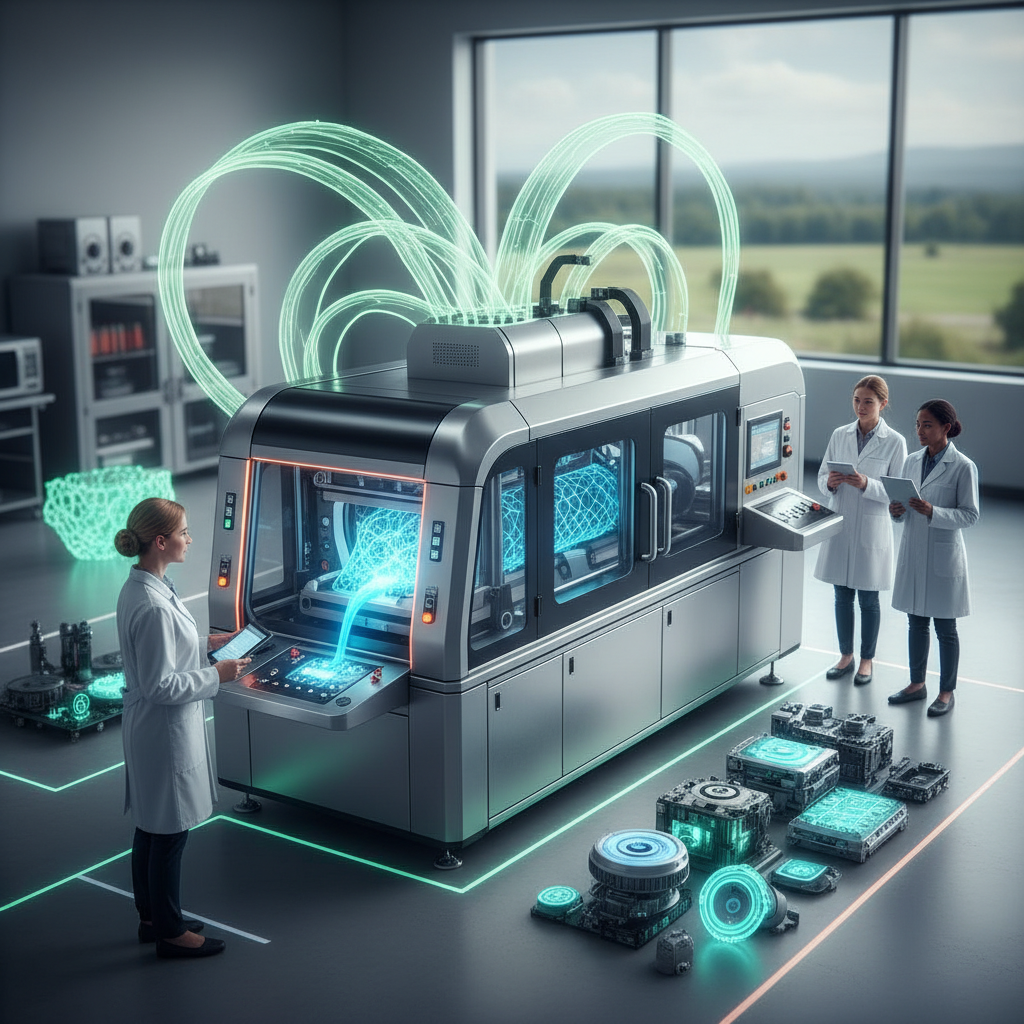
As manufacturers grapple with rising production costs and ecological pressures, low pressure injection molding emerges as a viable solution that balances economic feasibility with environmental stewardship. By utilizing lower pressures during the injection process, this method reduces the energy required for production, while also allowing for the use of lighter and more intricate materials. The implications are profound; businesses can produce high-quality products with enhanced precision and reduced waste, positioning themselves for a competitive edge in the marketplace.
In this article, we will delve into the transformative potential of low pressure injection molding, exploring its benefits, applications, and reasons why it represents the future of efficient manufacturing. By examining key case studies and insights from experts like Dr. Richter, we aim to illuminate how this technique can revolutionize production processes across various industries, paving the way for a more sustainable and efficient manufacturing future.
Advantages of Low Pressure Injection Molding in Sustainable Manufacturing
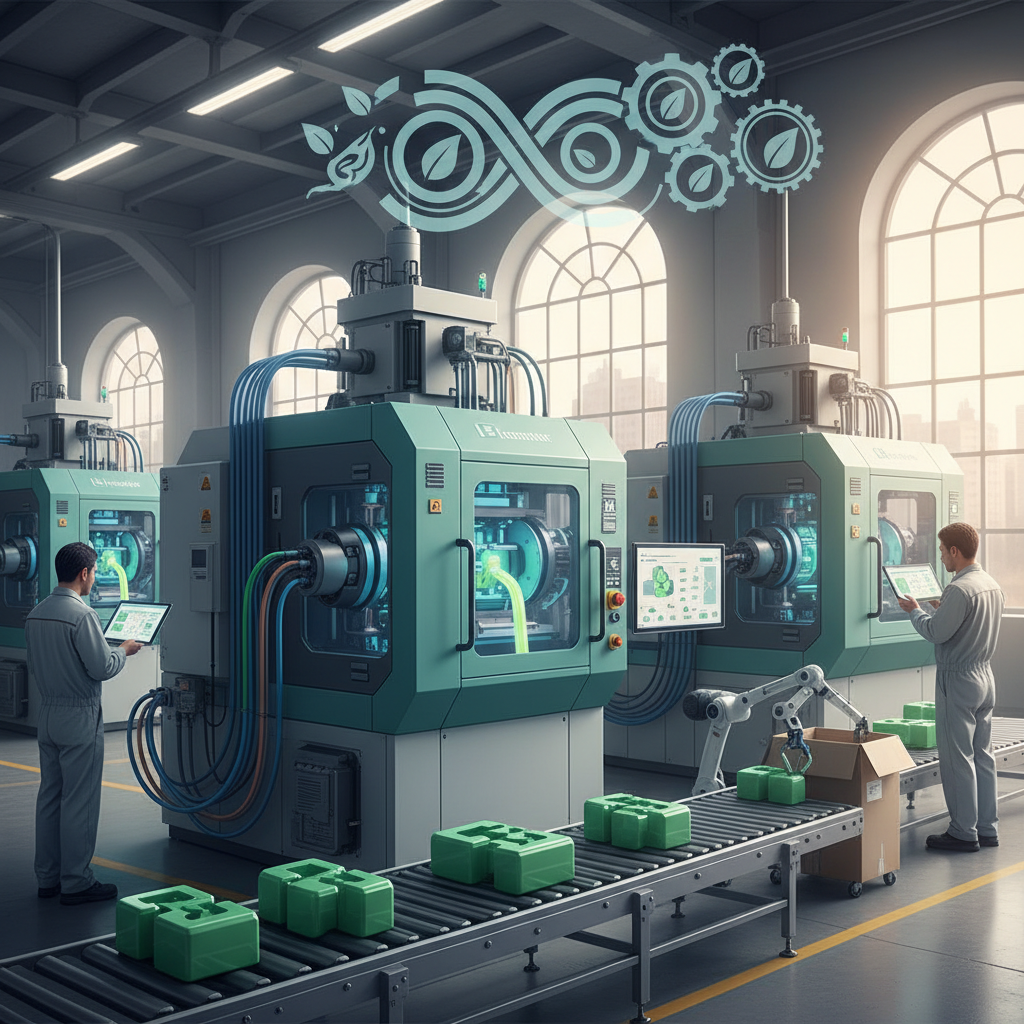
Low pressure injection molding is emerging as a key player in sustainable manufacturing practices. One of its primary advantages is the reduction in energy consumption compared to traditional methods. By operating at lower pressures, manufacturers can not only save energy but also minimize wear and tear on machinery, leading to longer equipment lifespan and lower maintenance costs. This efficiency translates into a smaller carbon footprint, aligning with global sustainability goals.
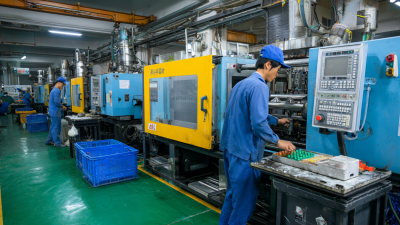
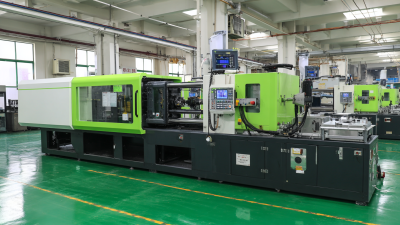
Moreover, low pressure injection molding enables the use of eco-friendly materials that are increasingly in demand. These processes support the integration of recycled and biodegradable materials into production lines, thereby promoting a circular economy. As seen in facilities where advanced injection molding processes are in place, the integration of innovative machinery allows for better precision and less material waste, showcasing a significant evolution in manufacturing practices.
Tips: When considering low pressure injection molding for your manufacturing needs, prioritize suppliers who are committed to sustainability. Additionally, evaluating the lifecycle impact of the materials you choose can further enhance the sustainability of your production processes. Adopting such practices not only contributes to environmental conservation but can also improve your brand image in an eco-conscious market.
Key Technologies Driving Low Pressure Injection Molding Efficiency
Low pressure injection molding is rapidly gaining traction in manufacturing due to its
efficiency and lower material waste. Key technologies that are making this possible
include advanced thermoplastics, innovative mold designs, and precise control systems.
These components work in harmony to ensure that the molding process is not only efficient but also
capable of producing high-quality parts. For instance, the
adoption of more durable and flexible thermoplastics allows manufacturers to create components
that are lightweight yet strong, further enhancing the performance of their products.
Tips for optimizing your low pressure injection molding process include conducting
regular maintenance on your machinery to prevent downtime and investing in
employee training. A well-trained workforce can
identify potential issues before they escalate, ensuring smoother operation. Additionally,
experimenting with varying injection speeds and pressures can help fine-tune the
process, ultimately leading to improved cycle times
and product quality. By integrating these practices, manufacturers can fully leverage
the benefits of low pressure injection molding technology.
Moreover, implementing real-time monitoring solutions can
significantly drive efficiency. These systems provide valuable data on
temperature, pressure,
and cycle times, enabling manufacturers to make
informed adjustments on the fly. This adaptability not only reduces waste but also helps maintain
consistent quality across production runs, ensuring that low pressure injection molding remains
a competitive option in today's manufacturing landscape.
Cost-Effectiveness of Low Pressure Injection Molding Compared to Traditional Methods
Low pressure injection molding (LPIM) is revolutionizing the manufacturing landscape, particularly when it comes to cost-effectiveness compared to traditional injection molding methods. According to a report from Grand View Research, the global injection molding market was valued at over $223 billion in 2021, and the push towards LPIM reflects a strategic shift towards optimizing production costs. LPIM utilizes lower pressure settings, which not only reduces the energy consumption by approximately 30% but also significantly cuts down on material waste. This efficiency translates to lower operational costs, as manufacturers can produce more with less input.
Furthermore, the lower pressure system in LPIM allows the processing of more delicate materials and complex geometries, which traditional high-pressure molding struggles to accommodate. A study published by the Society of Plastics Engineers highlighted that LPIM can reduce cycle times by up to 50%, resulting in a quicker turnaround from design to market. This enhanced efficiency not only further reduces costs but also improves the overall productivity of manufacturing operations. As industries move towards sustainable practices, the integration of LPIM technologies is likely to gain traction, demonstrating that cost-effectiveness is increasingly aligned with innovation in manufacturing processes.
Applications and Industries Benefiting from Low Pressure Injection Molding
Low pressure injection molding is revolutionizing various industries by enhancing efficiency and reducing material waste. One of the primary applications is in the automotive sector, where manufacturers utilize this method to create lightweight yet durable components. This technology allows for the production of intricate designs while minimizing the risk of defects, which is crucial in the highly competitive automotive market. Furthermore, as cars increasingly incorporate advanced electronics, low pressure molding offers a reliable solution for embedding complex circuitry, resulting in streamlined assembly processes.
In the medical device industry, low pressure injection molding is gaining traction for its ability to produce precise and biocompatible products. This method is ideal for creating intricate components such as housings for diagnostic equipment and drug delivery systems, where high accuracy is paramount. Additionally, the reduced stress during molding helps maintain the integrity of sensitive materials, which is vital for ensuring patient safety. The flexibility and efficiency of low pressure injection molding are driving its adoption across various sectors, making it a cornerstone of modern manufacturing practices.
Applications and Industries Benefiting from Low Pressure Injection Molding
Tips for Implementing Low Pressure Injection Molding in Your Manufacturing Process
Low pressure injection molding is rapidly gaining traction as a sustainable and efficient manufacturing solution. Industry reports have highlighted that this technique significantly reduces energy consumption and material waste when compared to conventional high-pressure methods. For instance, a study by the American Society of Mechanical Engineers (ASME) indicates that low pressure processes can cut energy usage by up to 30%, making it not only cost-effective but also eco-friendly.
To successfully implement low pressure injection molding in your manufacturing process, consider starting with a thorough assessment of your current production capabilities. Transitioning may require updating existing machinery, so investing in compatible equipment is crucial. Additionally, training your workforce on the nuances of this method can lead to smoother operations and less downtime.
Another key tip is to focus on selecting appropriate materials that perform well under lower pressures. For example, thermoplastic elastomers (TPEs) are often recommended due to their excellent flow characteristics and adaptability in low pressure applications. By aligning your material choices with low pressure capabilities, you can enhance both product quality and operational efficiency.