Top 5 Injection Molding Trends to Watch at the 139th Canton Fair?
As the 139th Canton Fair approaches, the injection molding industry is poised for significant advancements. Renowned expert Dr. Emily Zhao notes, "Innovation is the heartbeat of injection molding." This sentiment resonates as we anticipate fresh trends that will shape the industry landscape.
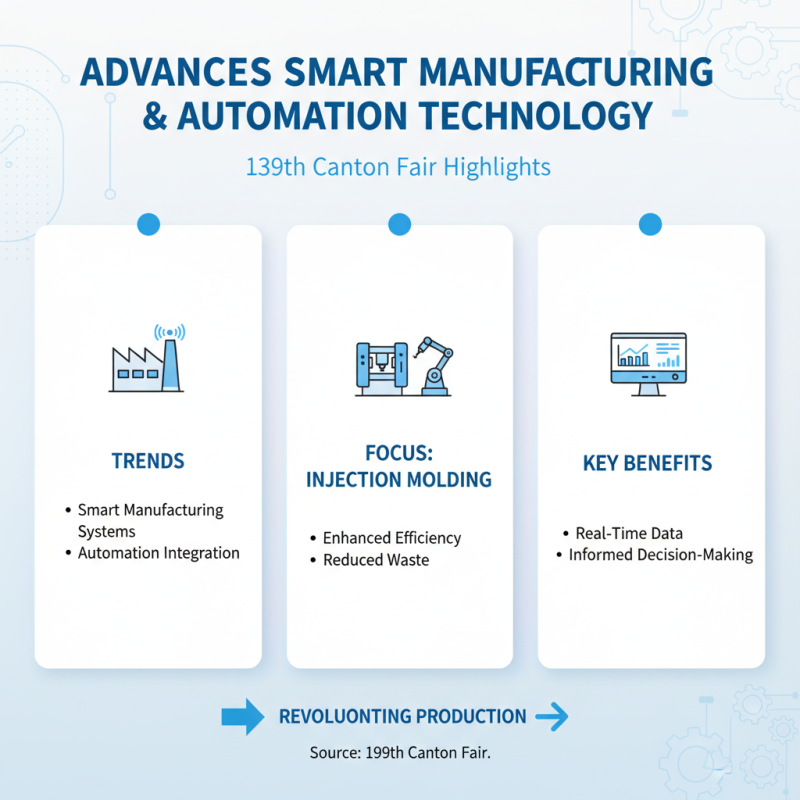
One of the key trends is the integration of AI technologies in injection molding processes. This can enhance efficiency and precision in production. The Canton Fair will showcase how AI optimizes manufacturing workflows, making it easier for businesses to adapt.
Moreover, sustainability is becoming a focal point. Companies are seeking eco-friendly materials and methods. But challenges remain. Many firms struggle with balancing cost and sustainable practices. Observing these trends at the fair may spark necessary discussions for the industry's future.
The Rise of Sustainable Materials in Injection Molding Practices
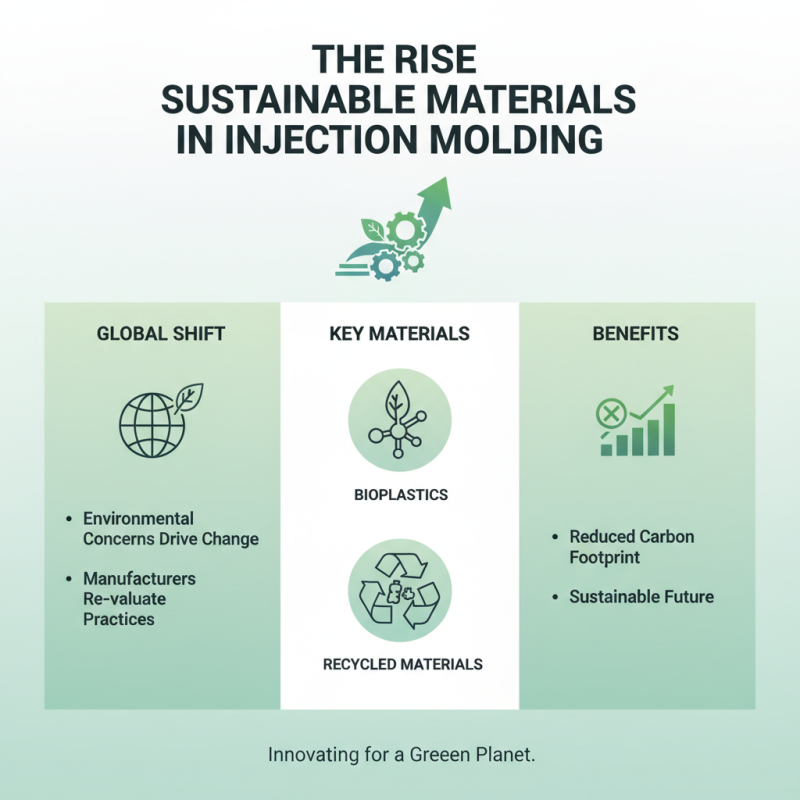
The injection molding industry is witnessing significant shifts, particularly towards sustainable materials. As global attention turns to environmental issues, manufacturers are re-evaluating their practices. Many are now exploring bioplastics and recycled materials. These materials often offer a lower carbon footprint compared to traditional options.
However, the transition is not without challenges. Sourcing sustainable materials can be inconsistent. Performance and durability sometimes fall short of expectations. Companies need to address these limitations through innovative research. Collaboration with suppliers is essential for developing better alternatives.
Despite hurdles, the benefits of using sustainable materials are clear. They can enhance brand reputation and appeal to eco-conscious consumers. The shift in consumer behavior is driving demand for greener products. Investing in sustainable injection molding is not just an option; it’s a necessity for future success. It's time for industry leaders to reflect on their choices and commit to a sustainable path.
Impact of 3D Printing on Injection Molding Processes and Efficiency
3D printing is changing the landscape of injection molding. Recent studies show that 55% of manufacturers now use 3D printing to optimize their processes. This technology enables faster prototyping and reduces costs. Complex designs can be easily created, which enhances product development.
However, challenges remain. Many companies still face integration issues. Not all traditional molds are compatible with 3D-printed parts. Furthermore, the long-term durability of these printed components is uncertain. A survey indicated that 40% of industry professionals worry about the stability of 3D-printed materials under stress.
Despite these concerns, the benefits of improved efficiency are compelling. The ability to produce lightweight parts with intricate designs offers a clear advantage. Companies can respond to market demands more rapidly. This has the potential to transform manufacturing workflows significantly. As the industry evolves, continuous reflection on these processes is vital. Embracing change while addressing imperfections will drive innovation in injection molding.
Top 5 Injection Molding Trends to Watch at the 139th Canton Fair
| Trend |
Description |
Impact on Efficiency |
Year of Introduction |
| Increased Automation |
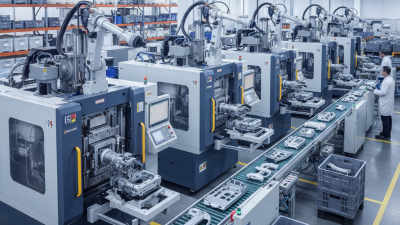
Adoption of automated systems for production lines to reduce human error. |
Increases production speed and consistency. |
2021 |
| Sustainability Initiatives |
Use of recyclable materials and eco-friendly processes. |
Reduces waste and lowers carbon footprint. |
2020 |
| Integration of AI |
Utilization of AI for predictive maintenance and process optimization. |
Enhances reliability and minimizes downtime. |
2022 |
| Smart Manufacturing |
The use of IoT for better monitoring and control of production processes. |
Improves resource management and reduces operation costs. |
2023 |
| 3D Printing Integration |
Combining 3D printing technologies with traditional molding to enhance product design capabilities. |
Streamlines prototyping and accelerates time to market. |
2023 |
Evolving Regulations and Standards Affecting Injection Molding Industry
The injection molding industry is facing rapid changes due to evolving regulations and standards. In recent years, the focus has shifted to sustainability and safety. According to a report by Grand View Research, the global injection molding market is expected to reach $346.5 billion by 2025. However, tightening environmental regulations challenge many manufacturers.
New guidelines on material use are becoming commonplace. Many companies are reevaluating their production techniques to comply with these standards. There's a growing push for using recyclable materials. For instance, the use of bio-based plastics has increased by 20% over the last year. Yet, not all manufacturers are ready to adapt. Some struggle with the costs associated with switching materials or updating equipment.
Quality control is another area impacted by these regulations. Stricter testing protocols mean firms must invest more in quality assurance. The demand for certifications is rising. Companies may find it hard to keep up. Data from the American Society for Testing and Materials highlights that 30% of companies fail initial compliance tests. This raises questions about efficiency and innovation in the industry. Adapting to these standards is not just necessary; it can be a complex challenge.
Market Growth Projections for Injection Molding in the Next Five Years
The injection molding industry is poised for significant growth in the coming five years. Current projections indicate a steady rise in market demand driven by advancements in technology and an increasing focus on sustainability. Factories are now integrating smarter systems. This change enhances efficiency, making processes faster and more reliable.
As environmental concerns grow, many companies are adopting eco-friendly materials. This shift is not just a trend; it’s becoming necessary. Consumers are more conscious of their choices. They prefer products that minimize environmental impact. Additionally, the rise of electric vehicles and renewable energy solutions is a catalyst for injection molding innovations. There may be bumps along this path. Companies need to adapt quickly to meet market expectations.
However, challenges remain. Supply chain disruptions can hinder progress. Companies might struggle to source sustainable materials consistently. Furthermore, the skills gap in the workforce poses a risk. Investing in training is essential for meeting future demands. The road ahead is promising yet complicated. The next five years will be pivotal for those involved in injection molding.
Injection Molding Market Growth Projections (2024-2029)