Best Galvanized Coil Uses and Benefits Explained
Galvanized Coil is a vital material in various industries. Its ability to resist corrosion makes it an ideal choice for construction and manufacturing. According to research by MarketsandMarkets, the global galvanized steel market is expected to reach $228.3 billion by 2025. This growth is driven by increased demand in automotive and construction sectors.
The durability of Galvanized Coil enhances product lifespan. For example, it can endure harsh weather conditions, reducing maintenance costs. A report from the World Steel Association highlights that galvanized products can last over 50 years in some environments. However, this longevity raises questions about recycling practices within the industry.
Despite its benefits, reliance on galvanized materials requires careful consideration. There are environmental impacts associated with zinc extraction. As the market expands, exploring better recycling methods becomes imperative. Stakeholders need to balance usage with sustainability, fostering innovation in production processes. The future of Galvanized Coil will depend on addressing these challenges while maximizing its advantages.
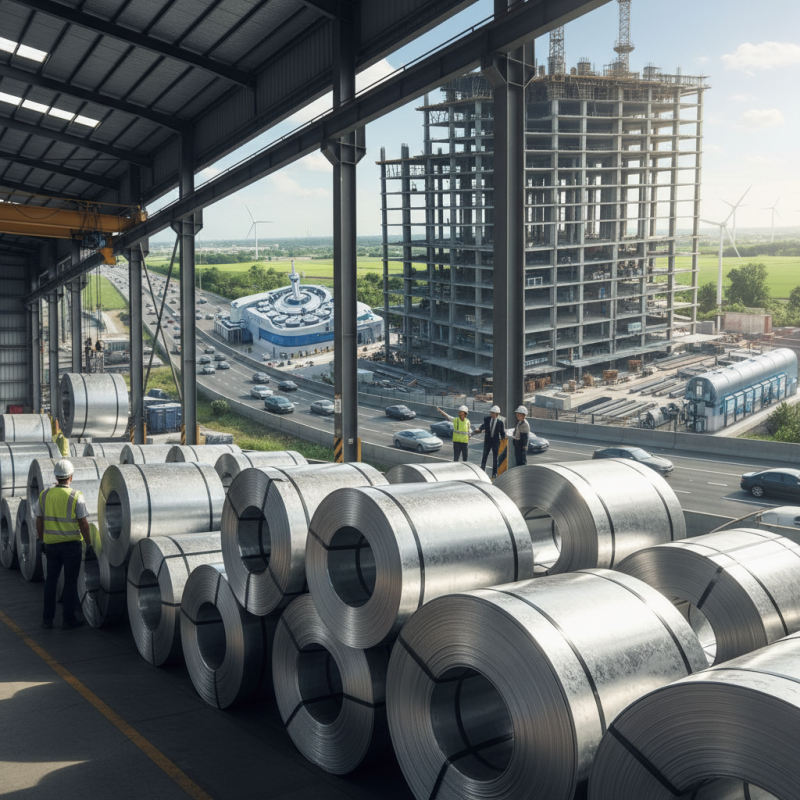
Understanding Galvanized Coil: Definition and Composition
Galvanized coil is a prevalent material in various industries. It is essentially steel sheet coated with zinc. This composition enhances its durability and resistance to corrosion. According to the American Galvanizers Association, galvanized steel has a lifespan that can reach over 70 years in suitable environments.
The application of galvanized coil is widespread. It is often used in construction, automotive, and appliances. In construction, it is common in roofing and siding materials. The zinc coating protects the steel from weathering. This makes it a reliable choice for outdoor applications. A recent industry report indicated a growing demand for galvanized products. The global market is projected to reach $37 billion by 2027.
While there are clear benefits, there are considerations too. The coating process can create uneven surfaces at times. These imperfections may invite rust if not monitored closely. Additionally, the environmental impact of galvanization has come under scrutiny. Recycling rates for galvanized materials are improving but still need attention. Balancing performance with sustainability is an ongoing challenge in the industry.
Key Benefits of Using Galvanized Coils in Construction
Galvanized coils offer significant advantages in construction, primarily due to their durability and corrosion resistance. According to a report by the American Galvanizers Association, galvanized steel can last up to three times longer than untreated steel. This longevity reduces maintenance costs over time, making galvanized options appealing for building frameworks, roofing, and siding.
In addition, galvanized coils are lightweight and easy to manipulate. This quality streamlines the construction process, allowing quicker assembly and reduced labor costs. However, the installation process can sometimes require specialized skills, which may lead to increased expenses if not managed properly. An inherent drawback arises from the necessity of ensuring that the surface remains intact; even minor scratches can compromise the protective zinc layer.
Another key benefit of using galvanized coils lies in their aesthetic flexibility. The smooth finish of galvanized steel can be easily painted or coated. This adaptability enables architects to design innovative and appealing structures. Nonetheless, there can be challenges. The reflective surfaces may not suit every building style. While galvanized coils present substantial benefits, mindful consideration of their application is crucial for optimal results.
Common Applications of Galvanized Coils in Various Industries
Galvanized coils are widely used across various industries due to their unique properties. They are essentially steel sheets coated with zinc, offering excellent corrosion resistance. One of the common applications is in the construction industry. Builders often utilize these coils for roofing, siding, and structural components. The added zinc coating extends the life of these materials, making them a popular choice.
Another significant application is in the automotive sector. Galvanized coils are used for parts that require durability and resistance to rust. These components are vital for ensuring vehicle longevity. The automotive industry values the strength and weight efficiency provided by galvanized steel.
Tips: When choosing galvanized coils, consider the zinc coating thickness. Thicker coatings offer better protection, particularly in corrosive environments. Always check for compliance with industry standards. Regular maintenance is essential. Even galvanized steel may need additional coatings or treatments for optimal protection.
Maintenance and Durability Factors of Galvanized Coils
Galvanized coils are designed to resist rust and corrosion. The galvanization process involves coating steel with zinc, which serves as a barrier against moisture. This property significantly enhances the lifespan of materials made from galvanized coils. According to a report by the American Galvanizers Association, galvanized steel can last over 50 years with proper maintenance.
Maintenance is crucial for maximizing the durability of galvanized coils. Regular inspections can help identify any early signs of corrosion. Dark spots or flaking paint indicate potential issues. Promptly addressing these signs can save on costly repairs. Use non-abrasive cleaners to maintain the surface. This prevents damage to the protective zinc layer.
Tips: Consider applying a protective paint over galvanized surfaces. This adds an extra barrier against elements. Additionally, avoid contact with dissimilar metals, which can lead to accelerated corrosion through galvanic reactions. Awareness of these factors can lead to better long-term performance. Our understanding of galvanized coil use must evolve. It's not just about choosing the material; it's about knowing how to care for it effectively.
Best Galvanized Coil Uses and Benefits Explained - Maintenance and Durability Factors of Galvanized Coils
| Use Cases | Benefits | Maintenance Factors | Durability Factors |
| Roofing Sheets | Corrosion resistance, lightweight | Regular inspection for rust | Long lifespan, withstands harsh weather |
| Fencing | Aesthetically pleasing, low maintenance | Occasional cleaning to remove dirt | High tensile strength, impact resistance |
| Automotive Parts | Enhanced protection against rust | Check for scratches and chips | Resilient under high stress conditions |
| HVAC Systems | Improved efficiency, rust protection | Inspect ducts for leaks | Withstands temperature fluctuations |
| Pipes and Tubes | Resistant to water and chemicals | Routine checks for joint integrity | Durable against pressure variations |
Comparative Analysis: Galvanized Coils vs. Other Metal Coatings
When comparing galvanized coils to other metal coatings, the differences become clear. Galvanized coils are coated with zinc, providing excellent corrosion resistance. This makes them ideal for outdoor applications. You will see them used in roofing and fencing.
On the other hand, coatings like paint or powder can chip and peel over time. While they offer aesthetic benefits, they lack the long-lasting protection of galvanized steel. Some users prefer the shine of painted surfaces, but neglecting maintenance can lead to rust. Galvanized options do not have this issue.
There are downsides too. Galvanized coils can be more expensive upfront. The process of galvanization adds costs. Not all projects require this level of protection. Consider your specific needs. Understanding these factors leads to better choices. People often overlook these details, resulting in unexpected repairs.
Comparison of Galvanized Coils with Other Metal Coatings
