How to Use Solenoid Valve in Irrigation System Effectively?
Efficient water management is crucial in agriculture. The use of Solenoid Valve In Irrigation System plays a pivotal role in this aspect. According to the Irrigation Association, approximately 50% of water used in agriculture is wasted, indicating a dire need for innovations in irrigation technology.
Solenoid valves provide precise control over water flow. By automating irrigation, they can reduce water waste by up to 30%. This not only conserves water but also promotes healthier crops. However, improper installation or maintenance can lead to inefficiencies. It's essential to regularly check these valves to ensure optimal performance.
Many farmers overlook the significance of proper valve selection. The right solenoid valve can enhance system efficiency, but choosing poorly can cause problems. For instance, undersized valves may restrict flow, affecting crop health. Therefore, understanding how to effectively integrate Solenoid Valve in Irrigation System is vital for sustainable farming practices.
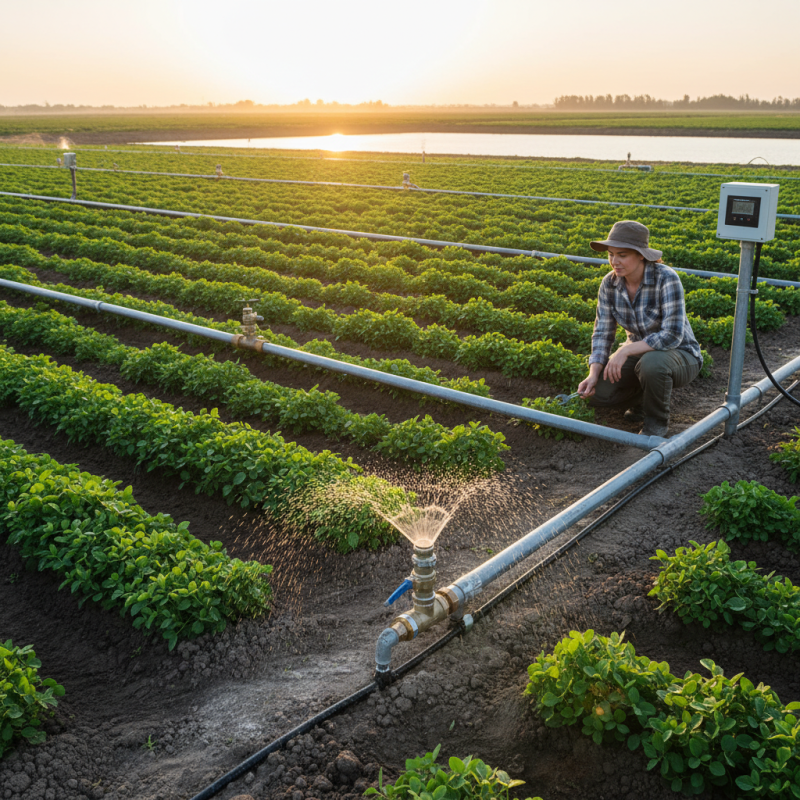
Understanding the Basics of Solenoid Valves in Irrigation Systems
Understanding solenoid valves is crucial in managing efficient irrigation systems. These devices control the flow of water to crops. According to a 2021 report by the Irrigation Association, improper valve management can lead to water wastage. In fact, up to 60% of irrigation systems may waste water due to faulty valves.
A well-functioning solenoid valve can optimize water delivery. These valves respond to electric signals, allowing for precise control. They can open or close based on varying needs. This feature is essential in regions facing water scarcity. For instance, in arid areas, managing water use effectively can increase crop yield by 30%, as reported by agricultural studies.
However, not all solenoid valves are the same. Choosing the right type for specific conditions is often overlooked. Pressure ratings, flow rates, and materials can vary significantly. Some systems face clogging or leaking issues, leading to an average 15% inefficiency. Reflecting on these factors can guide better decisions in irrigation practices.
Selecting the Right Solenoid Valve for Your Irrigation Needs
Selecting the right solenoid valve for your irrigation needs is crucial. Start by assessing the flow rate required for your system. This helps in choosing a valve that can handle the necessary water volume. Make sure to consider the pressure ratings as well. High pressure might require a different valve compared to low pressure.
Look at the valve size too. A mismatched size can disrupt your irrigation efficiency. If it’s too small, water won't flow properly. If it's too large, it could waste water. Material matters as well. Plastic might work in simple setups, but metal is often more durable for extensive systems.
Installation is another area to reflect upon. Many struggle with correct positioning. An improperly installed valve can lead to leaks or malfunction. Take the time to familiarize yourself with the specific requirements for your valve. Be aware that not all valves are created equal; some may not fit your existing infrastructure well. Make adjustments as needed and always test the system after installation.
Proper Installation Techniques for Solenoid Valves in Irrigation
When installing solenoid valves in your irrigation system, proper techniques are essential for optimal performance. Begin by ensuring that the valve is correctly sized for your water flow rate. Data shows that mismatched sizes can lead to inefficiencies, resulting in water wastage of up to 30%. Lay the groundwork by selecting a solid, leveled base for your valve installation, as this will prevent shifting and ensure longevity.
Tip: Always double-check that you are using the right type of solenoid valve for your specific application. Some models perform better under different pressures and flow conditions.
Position the valve close to the water source to minimize pressure loss. Inadequate placement can reduce flow efficiency. It's also crucial to use quality sealing materials to avoid leaks, which can disrupt irrigation schedules. The Irrigation Association reports that even a small leak can waste gallons per day, impacting both resources and costs.
Tip: Regular maintenance checks can reveal signs of wear or malfunction. Schedule these checks to enhance the reliability of the irrigation system.
Taking these considerations into account can make a significant impact on the effectiveness of your irrigation system. Each detail may seem minor, but together, they contribute to a more sustainable water management strategy.
Troubleshooting Common Issues with Irrigation Solenoid Valves
Irrigation systems benefit greatly from solenoid valves, but issues can arise. Common problems include valve leakage, electrical malfunctions, or insufficient water flow. According to industry reports, about 20% of irrigation systems experience valve-related challenges each season. Understanding these issues helps enhance performance and efficiency.
Leakage is a frequent concern. It can stem from debris in the valve or degraded seals. Regular maintenance is vital. Clean the valves periodically and inspect seals. Neglecting these tasks can lead to wastage, impacting both cost and resources. A survey showed that operators could save up to 15% on water costs with proper maintenance.
Electrical failures often hinder solenoid operations. Check the power supply, connections, and control systems. Many users overlook wiring issues, which can result in erratic valve behavior. Incorrect installation can also be a culprit. Simple checks can ensure a longer lifespan for your solenoid valves. Investing time in troubleshooting can yield significant water savings.
Maintaining Solenoid Valves for Optimal Irrigation System Performance
Maintaining solenoid valves is essential for optimal irrigation system performance. Regular inspection of these valves can prevent unexpected failures. Reports from irrigation studies indicate that 30-50% of water is wasted due to malfunctioning components in irrigation systems. Keeping solenoid valves clean and free from debris helps ensure smooth operation. Proper maintenance significantly extends their lifespan.
Perform routine checks for leaks and corrosion. Visual inspections can reveal issues early. An analysis from the Irrigation Association found that properly maintained valves can decrease water usage by up to 25%. This efficiency is crucial in regions facing water scarcity. Sometimes, small adjustments can improve functionality. Replace worn seals and test the electrical components regularly.
Documentation of maintenance activities is beneficial. Tracking repairs and replacements helps identify recurring issues. The goal is to create a proactive maintenance schedule, ideally covering all components. Neglecting these tasks can lead to costly repairs down the line. Regular maintenance parallels the success of the entire system. Successful irrigation is about attention to detail.
How to Use Solenoid Valve in Irrigation System Effectively? - Maintaining Solenoid Valves for Optimal Irrigation System Performance
| Parameter | Recommended Value | Notes |
| Operating Voltage | 24V AC / 12V DC | Ensure compatibility with the irrigation system. |
| Flow Rate | 0.5 - 20 GPM | Choose based on system requirements. |
| Pressure Rating | 10 - 150 PSI | Select valves that match system pressure. |
| Operating Temperature | -20°C to 60°C | Consider environmental conditions. |
| Maintenance Frequency | Every 6 months | Regular checks help ensure functionality. |
