Essential Tips for Using Coiling and Packing Machine Effectively?
In the fast-paced packaging industry, efficiency is key. A well-functioning Coiling and Packing Machine can significantly enhance production rates. According to a report by MarketsandMarkets, the global packaging machinery market is projected to reach $47 billion by 2026. This growth highlights the increasing importance of effective machinery in maintaining competitive advantages.
Proper usage of Coiling and Packing Machines not only streamlines operations but also minimizes waste. However, many users overlook critical maintenance and calibration steps. A study by PMMI shows that lack of training leads to equipment mismanagement, impacting overall productivity. Regular training and awareness can bridge this gap, ensuring machines operate at peak performance.
Moreover, understanding the specific needs of your production line is essential. Not every Coiling and Packing Machine is suited for all products. Assessing the compatibility is often neglected, resulting in costly errors. Reflecting on these aspects can lead to better practices, fostering greater efficiency and profitability in your packaging operations.
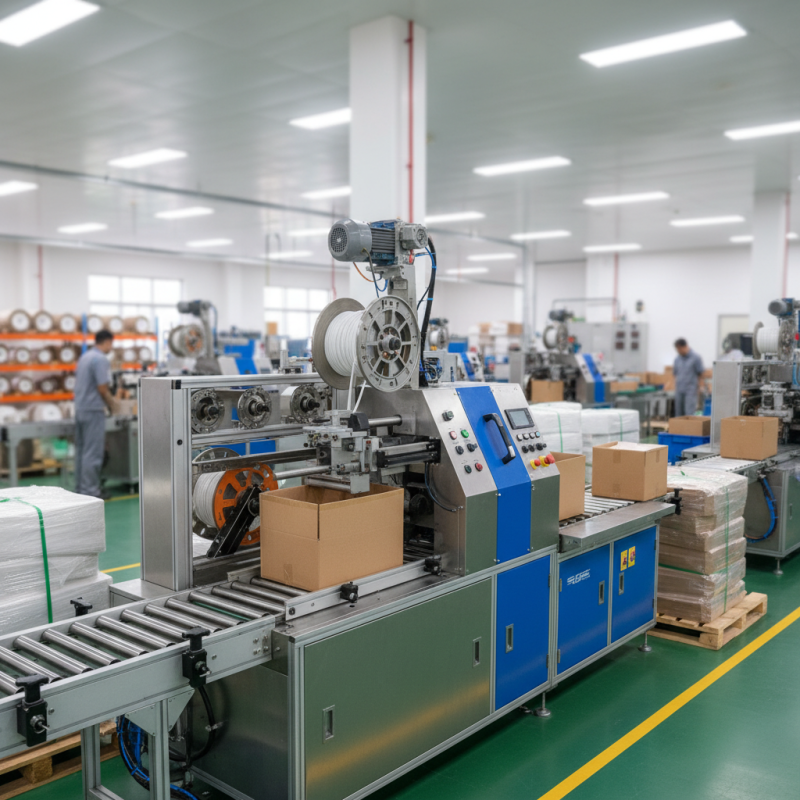
Understanding Coiling and Packing Machines: An Overview of Functionality
Coiling and packing machines play a crucial role in various industries. They simplify the wrapping and packaging process for multiple products. These machines are essential for boosting efficiency and maintaining product integrity. A study indicated that the use of advanced packing systems can reduce packaging time by up to 40%. This statistic highlights their importance in production lines.
Understanding the functionality of these machines is vital for maximizing their potential. Coiling machines can create uniform rolls of materials, which ensures consistent packaging. However, operators sometimes overlook the need for regular maintenance. Neglecting this can lead to breakdowns, impacting production schedules. An industry report found that improper machine upkeep can increase operational costs by 15%. This statistic emphasizes the need for a proactive approach to maintenance.
Operators must balance speed with quality when using these machines. While it may be tempting to increase output, doing so can result in packaging defects. Research shows that a focus on quality can increase customer satisfaction by 20%. It’s essential to adapt operational practices based on specific product types. Not every project will benefit from maximum speed, and that’s a reflection point for many businesses.
Key Factors Influencing Coiling and Packing Machine Efficiency
When it comes to optimizing coiling and packing machines, attention to key factors is crucial. Efficiency depends on several elements, including machine calibration, operator training, and maintenance practices. According to industry reports, machines that are regularly calibrated can operate up to 15% more efficiently than those that are not. This calibration includes checking tension levels and ensuring proper alignment. Neglecting this aspect can lead to material wastage and increased downtime.
Operator training plays a vital role as well. A well-trained operator can significantly reduce error rates. Statistics show that companies with thorough training programs witness a 20% increase in productivity. However, many facilities overlook the importance of ongoing training. This can lead to gaps in knowledge and operational inefficiencies. It’s essential to revisit training regularly. Continuous learning helps operators stay updated with the latest techniques and machine capabilities.
Maintenance is often an afterthought. Regular maintenance can enhance machine lifespan and efficiency. Reports indicate that machines without a robust maintenance schedule have a 30% higher failure rate. It’s not only about fixing issues; it’s about preventative measures. Operators should keep a detailed log of machine performance and issues encountered. This data can reveal patterns that highlight areas needing attention. Ignoring these patterns can lead to repeated mistakes and losses.
Essential Tips for Using Coiling and Packing Machine Effectively?
| Factor | Description | Impact on Efficiency | Recommended Practices |
| Machine Calibration | Ensuring the machine is accurately set up for the type of product being processed. | High - Improper calibration can lead to increased waste and downtime. | Regularly check settings before starting production. |
| Material Quality | Using high-quality materials for coiling and packing. | Medium - Poor quality materials can cause jams and defects. | Source materials from reliable suppliers and conduct quality checks. |
| Operator Training | Training operators on the correct use of machines. | High - Well-trained personnel can operate machines more efficiently. | Conduct regular training sessions and refreshers. |
| Maintenance Schedule | Regular maintenance checks to ensure optimal functioning of the equipment. | Very High - Prevents unexpected breakdowns and prolongs equipment life. | Implement a strict maintenance schedule. |
| Production Line Layout | Efficient arrangement of machines and workstations to streamline workflow. | Medium - Poor layout can lead to inefficiencies and delays. | Analyze and optimize the layout periodically. |
Optimal Machine Settings for Different Material Types and Sizes
When using coiling and packing machines, optimal settings are crucial for different materials. Adjust the tension and speed based on the material's characteristics. For instance, softer materials may require less tension to avoid deformation. Harder materials can withstand higher tension, resulting in tighter coils.
Consider the size of the material as well. Larger items often need slower speeds to ensure precision in packing. Smaller items may benefit from faster speeds for efficiency.
Experiment with these settings to find the right balance. It’s essential to monitor the machine output closely. Small adjustments can make a significant difference in quality.
Sometimes, challenges arise. A material might jam, or coils may become uneven. These are moments to reflect on your settings and their suitability.
Address these issues promptly to improve efficiency. Learning from mistakes is all part of the process. Each run is an opportunity to refine your approach and enhance your machine's performance.
Safety Considerations and Maintenance Practices for Longevity
Using coiling and packing machines requires attention to safety and maintenance for optimal performance. According to industry reports, improper handling can lead to a 20% increase in downtime. Regular inspections are critical. Ensure that all safety guards are in place before operation. This can prevent accidents and injuries.
Here are some essential tips for maintaining your machine's longevity. Keep the machine clean and free of debris. Dust and packaging materials can clog mechanisms. Lubricate moving parts consistently, as manufacturers recommend lubrication every 500 hours of operation. A well-maintained machine operates more efficiently and consumes less energy.
Safety measures are as vital as maintenance. Operators should receive proper training on machine usage. Awareness of hazards can significantly reduce risks. Always wear protective gear during operation. Small lapses in safety can lead to serious incidents. Continuous awareness and routine checks make a difference in efficiency and safety. Prioritizing these aspects ensures machines last longer and perform better.
Performance Metrics: Evaluating Productivity and Quality in Operations
In manufacturing, performance metrics are crucial for evaluating productivity. Effective use of coiling and packing machines can significantly enhance output. An industry report from Smith & Associates indicates that optimal machine operation can increase productivity by up to 30%. This data highlights the importance of regular machine maintenance and operator training.
Quality is equally vital. Defects can lead to substantial losses. A study from the Manufacturing Quality Institute found that 15% of produced goods fail quality standards. This percentage signals a need for improved processes. Operators should monitor machine performance closely, using metrics to identify trends and issues.
Regular evaluations of both productivity and quality metrics are essential. Some facilities may overlook minor defects, believing they don’t impact overall performance. However, even small flaws can escalate into major problems. Data suggests that an investment in better training can reduce defects by 20%. Continuous improvement is key. Reflecting on current practices can reveal opportunities for greater efficiency.
