Top CNC Accessories Tips to Enhance Your Machining Experience?
Enhancing your machining experience can be truly transformative. The right CNC Accessories can make all the difference. From precision tools to organizational aids, every component plays a role in efficiency.
Imagine setting up your CNC machine with high-quality tool holders that provide smooth performance. You can greatly reduce downtime and boost productivity. However, not every accessory may be necessary for your specific needs. Identifying the right CNC accessories for your projects can be challenging. Sometimes, users purchase items that remain unused or underutilized.
Pay attention to what truly enhances your workflow. Don’t let marketing allure blind you. Choosing accessories demands careful consideration and understanding. Your machining experience should reflect your unique application, so prioritize wisely. Investing in quality CNC accessories will allow you to achieve superior results while optimizing your time in the workshop.
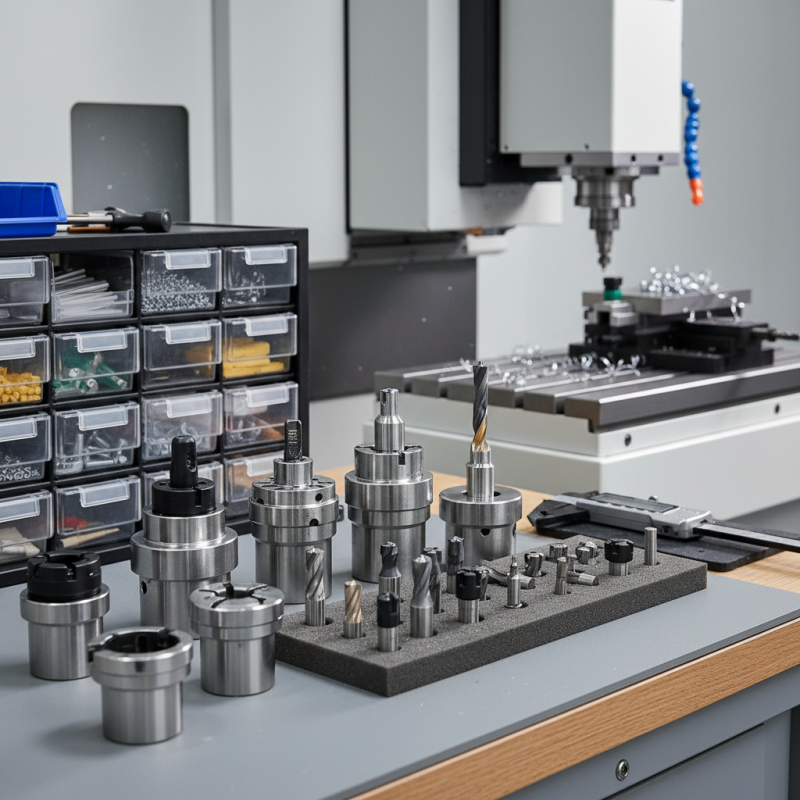
Essential CNC Accessories for Improved Machining Efficiency
When it comes to CNC machining, the right accessories can significantly enhance your efficiency. Research indicates that over 70% of manufacturers struggle with tool change times during production. This is often due to inadequate tool holding solutions. Investing in quality tool holders can reduce these times. Adjustable tool clamping systems, for example, can improve security and speed up the process.
Another essential accessory is the coolant system. A recent survey found that 60% of users reported better finishes when proper cooling was implemented. It reduces friction during machining, resulting in longer tool life. However, many still overlook the importance of regular maintenance of these systems. Clogged nozzles or inconsistent coolant flow can lead to disastrous results. It’s vital to reassess these accessories routinely to maintain maximum efficiency.
Additionally, think about your workspace layout. Poor organization can waste precious time, as 40% of CNC operators noted they spend too much time searching for tools and materials. A well-organized workstation minimizes distractions. It encourages a flow that keeps productivity at peak levels. Small changes here can make a significant difference in workflow. These accessories and improvements may require periodic evaluations but are crucial for an enhanced machining experience.
Choosing the Right Tool Holders for Precision and Stability
Choosing the right tool holders is crucial for achieving precision and stability in CNC machining. The tool holder acts as the connection point between the machine and the cutting tool. A poor choice can lead to vibrations, inaccuracies, and increased wear on both the tool and the machine. A stable tool holder ensures that the cutting tool remains in place and operates optimally during the machining process.
When selecting tool holders, consider the material and design. Some holders are made from durable materials like steel or aluminum, while others might use composite materials. Each choice affects weight and rigidity. Heavy-duty holders tend to provide better stability but might not be ideal for all setups. Pay attention to the taper or collet systems. These systems affect how tightly the tool grips and holds in place.
Reflecting on your current setup can reveal weaknesses. Are you dealing with frequent tool changes? If so, a quick-change system might help streamline your workflow. However, it requires careful evaluation and investment. Additionally, tools that are not well matched with their holders can lead to inefficiency. Look closely at the compatibility and ensure you’re choosing parts that harmonize well.
Upgrading Your CNC Software for Better Performance and Control
Upgrading your CNC software significantly boosts performance. A study by the Manufacturing Institute reveals that advanced software can enhance machining speed by up to 30%. This software optimizes tool paths, decreasing cycle times and improving precision. Increased customization features allow users to tailor settings for specific materials and projects.
CNC operators often face challenges with older software versions. Many struggle with outdated interfaces, which can hinder productivity. Reports indicate that companies investing in software upgrades report increased efficiency and reduced downtime. The right software can also provide better control over complex machining tasks.
Investing in training for new software is crucial. Staff may need to adapt to new systems. Some might find the transition difficult, impacting initial productivity. However, the long-term benefits often outweigh these short-term challenges. Regular updates and training can help teams keep pace with advancements in CNC technology.
Maintaining CNC Accessories for Longevity and Reliability
Maintaining CNC accessories is crucial for their longevity and reliability. Regular cleaning is essential. Dust and chips can accumulate and affect performance. A simple brush or vacuum can help remove debris easily. Don't forget to check for any wear on the parts. Issues like chipped tool holders or damaged collets can lead to poor machining results.
Another important aspect is lubrication. Many CNC accessories require regular lubrication. However, overdoing it can attract more dirt. Use the right amount and type of lubricant for each component. Stay mindful of the manufacturer's guidance. It’s easy to overlook this step but crucial for optimal function.
Finally, calibration should not be ignored. Misalignment can occur over time. Regular checks can save time and materials. It’s a common oversight, but reflecting on calibration can lead to better outcomes. A small adjustment might make a significant difference. Keep a maintenance schedule. It will remind you to check all accessories regularly.
Safety Accessories You Should Never Overlook in CNC Machining
In CNC machining, safety should always come first. Wearing the right protective gear is essential. Eye protection is crucial; flying debris can easily cause serious injuries. Hearing protection is often overlooked, yet loud machines can damage your hearing over time. Always consider these accessories when setting up your workstation.
One tip: use machine guards and enclosures. They protect operators from moving parts. These can also minimize noise and dust. However, ensure they do not impede visibility or access. It's vital to strike a balance. Lack of proper guards can lead to accidents. Ensure all necessary guards are in place.
Don’t forget about proper ventilation. CNC machining can produce harmful fumes. An adequate dust extraction system keeps the air clean. You may feel confident in your setup, but maintaining safety is a continuous effort. Regularly check your equipment for wear and tear. If you notice something off, take a moment to address it. Every little issue can lead to bigger problems later on.
Top CNC Accessories Tips to Enhance Your Machining Experience - Safety Accessories You Should Never Overlook in CNC Machining
| Accessory | Purpose | Safety Features | Recommended Practices |
| CNC Machine Guards | Protect operators from moving parts. | Solid and transparent covers. | Ensure all guards are in place before operation. |
| Eye Protection | Prevent flying debris from injuring eyes. | Safety goggles or face shields. | Wear at all times during machining operations. |
| Respirators | Protect against harmful fumes and dust. | N95 or higher-rated masks. | Use in enclosed spaces with poor ventilation. |
| Cutting Tool Holders | Securely hold tools in place during operation. | Locking mechanisms to prevent loosening. | Regularly check for wear or damage. |
| Emergency Stop Button | Quick shutdown of the machine in emergencies. | Easily accessible, clearly labeled. | Test regularly to ensure functionality. |
