How to Choose the Best Potato Chips Machine for Your Needs?
Choosing the best potato chips machine is crucial for success in the snack industry. The global potato chips market is expected to reach $45 billion by 2027, according to a recent industry report. As demand grows, selecting the right equipment becomes more important than ever. Your machine should not only produce quality products but also meet efficiency needs.
Understanding your needs is vital. Consider production volume, chip thickness, and flavor options. A high-capacity potato chips machine might seem ideal, but if you can't maintain it, it won't serve you well. The wrong choice can lead to waste and costs. Reflections on your production goals can guide your decision.
Additionally, technology matters. Advanced machines offer features like automatic fryers and flavoring systems. However, these may require a larger upfront investment. Balancing cost and quality is essential. What works for one business might not work for another. Evaluating your specific needs carefully can uncover the best path forward.
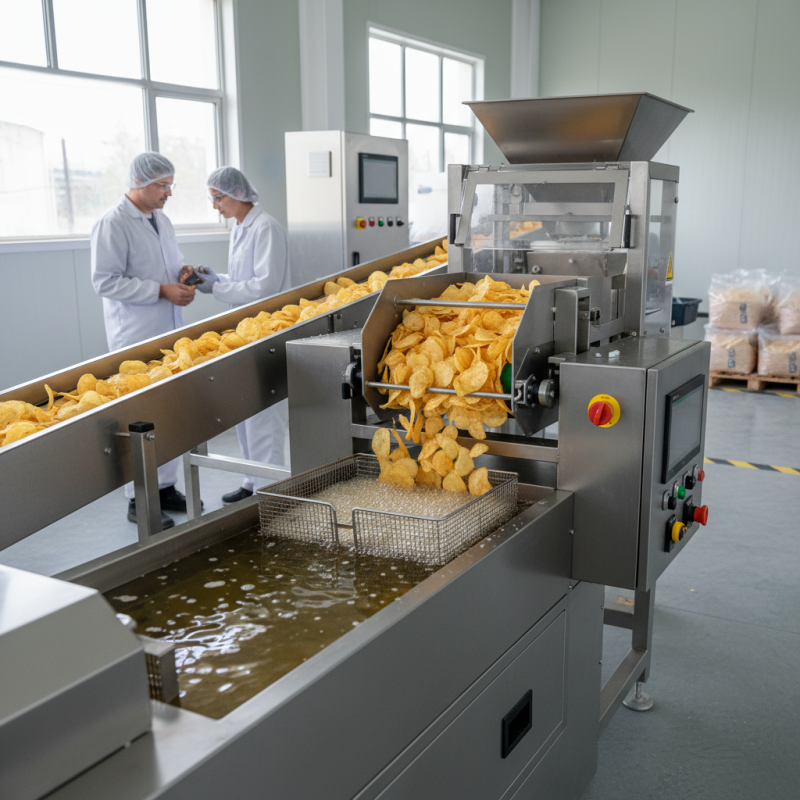
Understanding Different Types of Potato Chips Machines Available in the Market
When choosing a potato chips machine, understand the different types available. You’ll find machines categorized by size, functionality, and production capacity. Small, home-use models are perfect for personal snacks. They often yield fewer chips, making them ideal for casual cooking. Larger machines, designed for commercial use, offer higher output but take up more space.
Consider your space. A home kitchen may not accommodate a big machine. Look for models that fit your needs without overcrowding your area. Balance functionality and size carefully. More features can complicate usage. Sometimes, simpler devices produce great chips.
**Tip:** Always check the energy consumption of the machine. Higher efficiency saves money in the long run.
Different machines also vary in the types of chips they produce. Some make traditional slices, while others can create curly or kettle-cooked varieties. If you want to experiment, opt for a versatile model that offers multiple settings. Yet, read reviews before making your decision. Make sure the machine meets your expectations.
**Tip:** Consider maintenance when choosing a machine. Some require more cleaning than others. Less hassle means more time for cooking!
Comparison of Different Types of Potato Chips Machines
Key Features to Consider When Selecting a Potato Chips Machine
When choosing a potato chips machine, several key features are essential. First, consider the capacity. Machines can range from small units producing a few pounds to larger ones handling hundreds. A machine with higher capacity may be more suitable for commercial use. According to industry reports, high-capacity models can yield up to 1,500 pounds of chips daily. This efficiency translates into better profitability.
Next, analyze the technology used in the machine. Some machines utilize continuous frying, which ensures uniform cooking. Others may employ batch processes, which could introduce inconsistencies. A report from the Snack Food Association suggests that machines using innovative frying technologies can reduce cooking time significantly. This efficiency can be critical for meeting high demand.
Finally, assess ease of cleaning and maintenance. A machine that is difficult to clean can lead to longer downtime. Some machines may have complex mechanisms that require frequent repairs. Choosing a user-friendly design can make this easier. In fact, research shows that 30% of operational costs stem from maintenance issues. Make sure to weigh these factors carefully.
How to Choose the Best Potato Chips Machine for Your Needs? - Key Features to Consider When Selecting a Potato Chips Machine
| Feature | Description | Importance |
| Capacity | The volume of potatoes that can be processed at once. | High |
| Energy Efficiency | The power consumption rate during operation. | Medium |
| Ease of Cleaning | How simple it is to maintain hygiene and upkeep. | High |
| Durability | Quality of materials used and lifespan of machine. | High |
| Size and Footprint | The overall dimensions of the machine for space considerations. | Medium |
| Technology | Type of technology used, e.g., conventional vs. advanced methods. | High |
| Safety Features | Includes automatic shut-off, non-slip surfaces, etc. | High |
| Price Range | Cost of the machine in the market. | Medium |
Assessing Production Capacity Based on Your Business Needs
When assessing production capacity for a potato chips machine, understanding your business needs is crucial. Recent data shows that the global potato chips market is expected to reach $45 billion by 2026, with a CAGR of 5.2% from 2021. This growth indicates a rising demand for processed snacks. Choosing the right machine is essential to meet this growing market.
You need to evaluate how many chips you expect to produce daily. For small-scale operations, a machine with a capacity of 100 to 500 kg per hour may suffice. Larger businesses might require machinery capable of handling upwards of 1,000 kg per hour. Inadequate production can lead to missed opportunities, while over-investing in large machinery can strain finances.
Don’t forget to think about flexibility. Machines that can easily adapt to different potato types can be valuable. Not all potatoes yield the same amount of chips; some varieties have higher starch content. You may also need to consider fluctuations in demand during different seasons. Balancing capacity and your actual needs can be tricky. Investing too heavily without proper forecasting can be a mistake. Reflecting on these factors leads to smarter decision-making.
Evaluating Cost vs. Quality: Finding the Right Balance
When choosing a potato chips machine, the balance between cost and quality is crucial. Recent industry reports suggest that investing in higher-quality machines can yield better long-term results. For instance, a study by the Snack Food Association indicates that machines with robust build quality can reduce maintenance costs by up to 30%. This is a significant saving, especially for businesses facing tight budgets.
Quality machines often come equipped with advanced features that enhance efficiency. However, they require a higher initial investment. It’s important to evaluate whether these additional features justify the cost. An underperforming machine might seem cheaper at first glance, but it can lead to increased waste and higher operational costs over time.
Many operators report struggles with balancing these two factors. They often purchase lower-cost machines only to face frequent breakdowns. This can lead to production delays and affect customer satisfaction. Investing in a quality machine may seem daunting, but it often pays off through improved output and efficiency. Finding the right balance between price and functionality is key to success in the potato chip industry.
Maintenance and Support: Ensuring Longevity of Your Machine
Maintaining a potato chips machine is crucial. Regular upkeep ensures optimal performance. Some industry reports suggest that machines can last over ten years with proper care. Yet, many users overlook essential maintenance tasks, leading to premature failures. Routine cleaning of components is vital to prevent grease and residue buildup. A dirty machine may compromise product quality.
Technical support is another critical aspect. According to a survey, 70% of operators experience machine issues at some point. Having access to reliable support can mitigate costly downtime. Users should inquire about service options before purchasing. Some machines may not offer comprehensive help post-purchase. Assessing availability for spare parts is also necessary. It can be frustrating to wait weeks for a simple replacement part.
Investing in quality machine support can prove beneficial. Regular inspections by professionals can identify hidden problems early. However, many operators neglect these options, focusing solely on production. Skipping preventive maintenance can lead to larger breakdowns. Reflecting on operational practices is essential for long-term success. Balancing production with maintenance is key to longevity and efficiency.
