How to Choose the Right Auto Belt Tensioner for Your Vehicle?
Choosing the right Auto Belt Tensioner for your vehicle can significantly affect its performance and longevity. According to renowned automotive expert John Smith, "A well-functioning auto belt tensioner is vital for optimal engine operation." His insights highlight the importance of selecting the correct component for your specific vehicle model.
Auto Belt Tensioners maintain proper tension on the drive belt, preventing slippage and wear. A mismatch can lead to increased wear on belts and pulleys, resulting in higher maintenance costs over time. It's essential to consider compatibility with your engine type and the driving conditions you frequently encounter.
Many vehicle owners overlook this critical component during repairs. Some may choose automatically, relying solely on brand recognition. However, this method can be risky if the tensioner doesn't match the specific needs of your car. Evaluating expert advice and understanding your vehicle's requirements can guide you toward a more informed choice.
Understanding the Function of an Auto Belt Tensioner
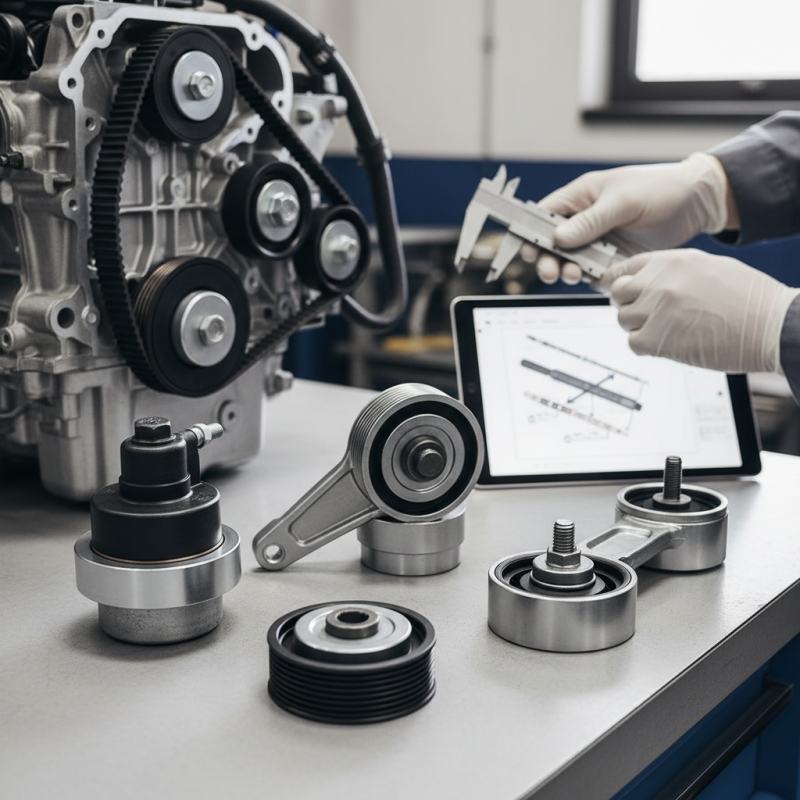
The auto belt tensioner plays a critical role in your vehicle's engine performance. It ensures the correct tension on the serpentine belt, which drives multiple engine components, including the alternator, water pump, and air conditioning compressor. According to a report from the Automotive Engineers Association, improper tension can lead to reduced efficiency, with potential power loss of up to 15%.
A properly maintained tensioner prevents belt slippage and extends the life of the serpentine belt. Wear and tear on the tensioner can affect how well it maintains tension. A study from the Engine Maintenance Council indicates that replacing a worn tensioner can reduce belt-related failures by 35%. This shows the importance of regular inspection and replacement based on manufacturer guidelines.
Drivers often overlook this component, leading to costly repairs. Many experience unexpected breakdowns related to belt issues. Choosing the right tensioner requires understanding your vehicle’s specifications. It's crucial to consider the tensioner type: hydraulic, spring-loaded, or adjustable. Each has its own advantages and lifespan. Owners should also consult reputable repair manuals or professionals for accurate recommendations.
Auto Belt Tensioner Performance Comparison
Identifying the Different Types of Belt Tensioners Available
When selecting the right auto belt tensioner, it's essential to understand the types available. There are mainly two categories: automatic and manual tensioners. Automatic tensioners adjust tension automatically as the engine operates, while manual tensioners require periodic adjustments. According to recent industry reports, around 70% of modern vehicles utilize automatic tensioners due to their efficiency and low maintenance requirements.
Another aspect to consider is the construction material. Metal tensioners offer durability, while plastic ones can be lighter but may wear faster. Research indicates that vehicles with metal tensioners have a longer lifespan and perform better under stress. Choosing the right type and material is crucial for optimal vehicle performance.
Tips: Always check your vehicle’s manual for specifications. Regular inspections help identify issues early. Consider factors like ease of installation and maintenance when making a choice. Reflect on your prior experiences with belt tensioners and learn from them. Is there a type that consistently failed in your usage? Understanding these factors can lead to a more informed decision.
Assessing Compatibility with Your Vehicle Model
When selecting an auto belt tensioner, compatibility with your vehicle model is crucial. Each vehicle has specific requirements based on its make and model. Thus, understanding these specifications can ensure optimal performance. Refer to your vehicle's manual for details about compatible tensioners. Many manufacturers provide precise measurements. This will help you avoid purchasing a component that doesn’t fit.
Always consider the engine type when choosing a tensioner. Different engines may have unique mounting styles or tensioning mechanisms. For older vehicles, parts may be harder to find. This adds an extra layer of challenge. Don't hesitate to consult with a mechanic if you're unsure about compatibility.
Tips: Measure the old tensioner before buying a new one. This gives you a reference point. Double-check the part number on your existing tensioner as well. If possible, inspect online forums for specific insights related to your car model. Often, other users share their experiences, which can be invaluable.
Evaluating Quality and Durability in Tensioner Selection
Choosing the right auto belt tensioner involves careful consideration of quality and durability. Look for materials that withstand high temperatures and resist wear. Many tensioners are made from robust metals or strong composites. These materials play a crucial role in their lifespan. A tensioner’s ability to maintain proper belt tension affects engine performance.
Inspect the design features that enhance durability. Some tensioners include bearings that reduce friction, extending their operational life. Consider the product’s construction as well. Sealed designs prevent contaminants from damaging internal components. A well-designed tensioner often operates quietly and efficiently, reducing strain on the engine.
It's wise to examine user reviews and expert opinions. Feedback can reveal weaknesses not immediately apparent in specifications. Some tensioners may seem high-quality but fail in real-world conditions. Additionally, observe installation requirements. A product that is challenging to install can lead to unintentional damage. Quality assurance is key. Always prioritize products that come with warranties or guarantees, indicating manufacturers' confidence in their durability.
Tips for Installation and Maintenance of Belt Tensioners
When installing a belt tensioner, start with a thorough inspection of your vehicle’s belt system. Check for wear and tear on belts and pulleys. This step is crucial. A worn belt can affect the tensioner’s effectiveness. Always clean the installation area. Dirt and debris can lead to premature malfunction.
Pay attention to the tensioner’s alignment during installation. Misalignment can cause unnecessary strain on the belt. Use a torque wrench to ensure proper tightness. Over-tightening may damage the tensioner and surrounding components. Consider the ambient temperature when adjusting tension.
Regular maintenance is key. Check the belt tensioner regularly for wear signs. Listen for unusual noises when the engine is running. These could indicate failing components. If you notice any issues, address them immediately. Ignoring them will lead to bigger problems later on. Reflect on your vehicle's performance and adjust maintenance schedules accordingly. Keep a log of your inspections and repairs. This practice enhances reliability and can extend the life of your vehicle’s belt system.
