How to Choose the Right Airport Fence for Security Needs?
Airport security remains a top priority in the aviation industry. According to a 2022 report by the International Air Transport Association, 25% of security breaches occur due to inadequate fencing. This underscores the importance of choosing the right airport fence.
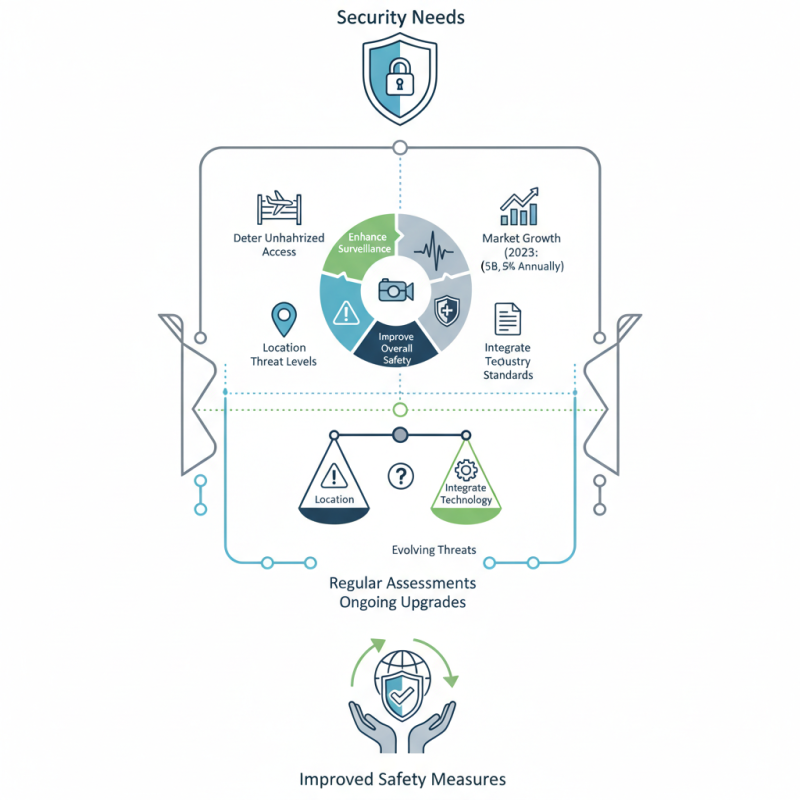
A well-designed airport fence can deter unauthorized access, enhance surveillance, and improve overall safety. In 2023, the market for airport perimeter security was valued at $3 billion, with projections to grow by 5% annually. However, not all fences provide equal protection. Airports must evaluate their unique security needs, considering factors like location and threat levels.
Choosing the right airport fence involves more than just height and materials. It's essential to integrate technology and follow industry standards. Regular assessments highlight the evolving threats, necessitating ongoing upgrades. Reflecting on these challenges can lead to improved safety measures, fostering a more secure environment for travelers.
Understanding the Importance of Airport Security Fencing
Airport security fencing plays a crucial role in protecting both passengers and aircraft. These fences serve as a first line of defense against unauthorized access. They deter potential threats, ensuring a safer environment for travelers. The right fencing can prevent incidents that may disrupt airport operations.
Different types of fencing are available, but not all are equal. Chain-link fences may be common, yet they often lack sufficient deterrent features. Barbed wire adds a layer of protection, but it can also pose safety risks to innocent bystanders. Each option should be examined closely, weighing its effectiveness against potential drawbacks.
Proper lighting and surveillance systems are essential complements to any fencing choice. Together, they enhance security, monitoring possible breaches. However, no solution is foolproof, and vulnerabilities may exist. Regular assessments and updates are necessary to adapt to evolving threats in airport security.
Assessing Different Types of Fences for Airport Perimeters
When selecting the right fence for airport perimeters, understanding different types is crucial. Each type has unique features that can impact security levels. Chain link fences are cost-effective and provide visibility. However, they may lack the deterrent needed against determined trespassers. Consider adding barbed wire to enhance their security capabilities.
Wrought iron provides a more robust solution. It’s durable and hard to breach. Yet, it can be more costly and requires regular maintenance. Evaluate the environment. For instance, if your airport is in a high-crime area, sturdier materials may be necessary.
Tips: Assess your location before choosing a fence type. Is it prone to natural disasters? The choice of material can make a difference. Also, account for visibility. Some fences offer less obstructed views, promoting safety but reducing privacy. Reflection on your evolving security needs is important too. What works now might not suffice later. Adjustments may be necessary as threats evolve.
Factors to Consider When Selecting Airport Fencing Materials
Choosing the right airport fencing materials is crucial for effective security. First, consider the terrain and location. Different environments pose unique challenges. For instance, coastal areas may require rust-resistant options. In contrast, areas with frequent winds need sturdy barriers to withstand natural forces.
Another key factor is the height and visibility of the fence. Taller fences provide more security but can obstruct views. Low visibility can deter intruders but may not stop determined individuals. Materials like chain link or welded wire offer various heights and visibility levels, impacting security effectiveness. Consider how easy it is to see through the fence, especially at night.
Lastly, evaluate maintenance needs. Some materials require regular upkeep, while others are more durable. Steel may rust without care. Wood can rot and decay over time, leading to higher costs. A well-planned choice today can save money tomorrow, but it requires reflection on long-term needs. Make sure to analyze these factors carefully to find the right balance for your airport's security needs.
Evaluating Cost vs. Performance for Airport Security Fences
When evaluating airport security fences, balancing cost and performance is critical. A report from the Transportation Security Administration indicates that proper fencing can deter over 70% of unauthorized breaches. This data highlights the importance of investing in quality materials that align with specific security needs.
Choosing the right fence involves understanding both the installation costs and long-term maintenance expenses. High-performance fences made of stronger materials may have higher upfront costs but often result in lower maintenance requirements. A case study revealed that airports opting for durable fencing reported a 40% decrease in repair costs over five years. This consideration is pivotal for budget-conscious airport management.
**Tips:** Prioritize durability over initial costs. Examine the long-term savings offered by various materials. Check local regulations on fence height and design, which can impact both security and finances. A well-planned investment leads to a safer airport environment.
Airport Security Fence Cost vs. Performance Comparison
This chart illustrates the cost and performance of various types of airport security fences. The data compares four common fence types based on their installation costs and effectiveness ratings in deterring unauthorized access.
Regulatory Standards and Compliance for Airport Fencing Solutions
When selecting an airport fence, regulatory standards play a crucial role. Compliance with government regulations ensures safety and security. Airports must adhere to the guidelines set by authorities. These usually include specific height, material, and design requirements. Proper installation is equally important to meet these standards.
Local regulations may differ, making research a must. Some areas require additional features like barbed wire or anti-climb designs. Regular audits may be needed to maintain compliance. Additionally, building a fence without understanding these rules could lead to costly penalties. Ensure that plans account for both security and legal obligations.
While it's essential to focus on compliance, many may overlook aesthetic considerations. A functional fence doesn’t have to be unattractive. An airport’s appearance matters too. Balancing aesthetics with security requirements can be challenging. Stakeholder input is valuable in this process. Getting it right can lead to better outcomes for everyone involved.
