How to Choose Chenille Fabric Material for Your Next Project?
Choosing the right Chenille Fabric Material for your next project can significantly impact your results. As trends in the fabric industry evolve, selecting quality materials becomes more crucial. Chenille fabric is renowned for its softness and texture, making it a popular choice in upholstery and fashion.
According to a recent report by the Textile Research Association, the global Chenille Fabric market is projected to grow by 4% yearly. This growth indicates a rising interest in this versatile fabric. Industry expert Sarah Johnson emphasizes, “Quality Chenille Fabric Material brings life to any project. It combines aesthetics and durability efficiently.”
However, not all Chenille fabrics are equal. Variations in fiber source and manufacturing techniques can affect quality. Consumers often overlook these factors. Assessing the material’s composition and intended use is essential. Understanding these details can lead to better project outcomes. Your choice of Chenille Fabric Material should reflect both style and functionality.
Understanding Chenille Fabric: Characteristics and Benefits
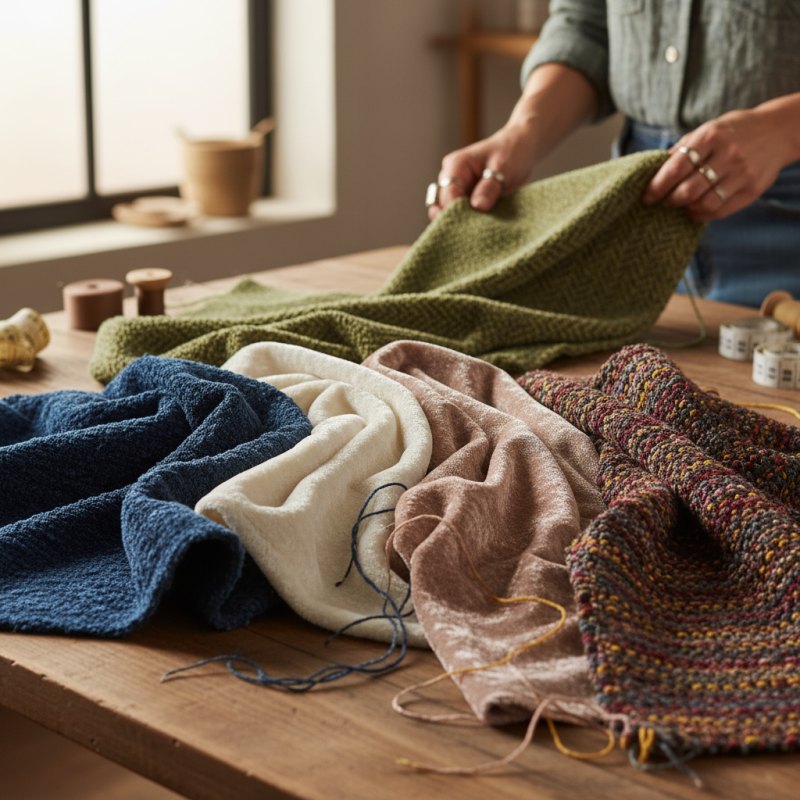
Chenille fabric has gained popularity due to its unique characteristics and tactile benefits. This material is known for its soft texture, resembling a velvet-like feel. The raised looped yarn creates a cozy, plush surface that invites touch. It's often used in upholstery and home decor, providing both comfort and style. The versatility of chenille makes it suitable for various projects, from throw pillows to blankets.
One interesting aspect of chenille is its durability. While it appears delicate, it can withstand regular use. However, this reliability comes with its own challenges. Keeping chenille clean is essential, as dirt can easily cling to the fibers. Regular maintenance and care are crucial to preserve its beauty. Additionally, the fabric can be prone to fraying if not handled properly. Understanding these properties can guide your choices and prevent potential frustrations in your projects.
Incorporating chenille into your next project could enhance its appeal. The fabric's warmth and texture can transform ordinary items into inviting accents. However, consider the project's purpose. Will it endure high traffic? Is it meant for a decorative piece? Answering these questions may help you decide if chenille is the right choice.
Different Types of Chenille Fabric: Which One is Right for You?
Chenille fabric is popular for its unique texture and versatility. When selecting chenille, consider the fiber types. Cotton, polyester, and rayon are common options. Cotton chenille is soft and breathable, making it perfect for upholstery. However, it may not be as durable as synthetic fibers. Polyester chenille, on the other hand, offers enhanced longevity and stain resistance.
Different weights of chenille also play a role in your choice. Lightweight chenille is suitable for draperies and decorative pillows. Heavier weights are great for blankets and furniture. A report from the Textile World highlights that heavier chenille fabrics can withstand more wear, which is essential for high-traffic areas.
Color and design are equally important. Chenille is available in a vast array of colors and patterns. This variety allows for numerous design possibilities. However, it's worth noting that not all colors may hold up equally well over time. Some may fade faster, especially if exposed to sunlight. Pay attention to the fabric's care instructions, as they can significantly affect its lifespan. The complexity of these factors makes choosing chenille an engaging yet sometimes overwhelming process.
Factors to Consider When Selecting Chenille Fabric for Projects
Choosing the right chenille fabric for your project requires careful consideration of several factors. The texture of chenille is soft and plush, making it a popular choice for upholstery and crafts. However, not all chenille fabrics are created equal. Pay attention to the fiber content, as natural fibers tend to feel warmer and more luxurious compared to synthetics.
Another vital aspect is the durability of the fabric. If you’re creating items that will see heavy use, opt for a heavier weight chenille. Check the fabric's washability too. Some chenille can shrink or lose its texture after washing. It’s crucial to test a swatch first, which ensures you understand its behavior in real-life conditions.
Color and pattern can drastically affect your project's outcome. While vibrant colors may be tempting, think about how they’ll fit into your overall design scheme. Patterns can sometimes clash, so visualize or sample them in your intended space. Reflect on your project’s needs and let practicality guide your aesthetic choices. Balancing beauty with functionality is essential in selecting the right chenille fabric.
How to Care for and Maintain Chenille Fabric Properly
Chenille fabric is known for its plush texture and vibrant colors. Caring for this material requires some specific practices to maintain its beauty. One key aspect is washing. Always hand wash your chenille items to avoid damaging the fibers. If using a machine, opt for a gentle cycle. Delicate handling preserves your fabric’s softness.
Drying chenille properly is equally important. Air drying is recommended to avoid shrinkage. If you need to use a dryer, choose the lowest heat setting. High heat can ruin the fluff and cause the fabric to lose its shape. Always double-check care labels for best results.
Tips: Use a lint roller to remove debris. This helps maintain the clean look of your chenille. For stubborn stains, blot the area gently with a cloth. Avoid rubbing, as this can damage the texture. Store your chenille items in a cool, dry place to prevent mildew. Regular care will keep your fabric looking its best for years to come.
Tips for Combining Chenille with Other Materials in Your Designs
Combining chenille with other materials can elevate your design while retaining comfort and visual interest. Chenille, known for its soft texture and rich color, works well with cotton or linen. The contrast between the smoothness of cotton and the pile of chenille adds depth to any project.
Incorporating chenille into a mixed-media design requires understanding its weight. A report from the Textile Research Journal indicates that the average weight of chenille fabric is around 350-600 grams per square meter. This means pairing it with lighter fabrics, such as silk or chiffon, can create an intriguing juxtaposition. However, the lightness of these materials may require careful handling to avoid losing structure.
Consider using chenille for statement pieces. Upholstered items like chairs benefit from its durability. However, the maintenance of mixtures can be tricky. Chenille can be prone to snagging, especially with more delicate fabrics. Testing small swatches before launching into a full project is advisable. This trial presents an opportunity for reflection, enabling designers to discover ideal combinations and potential pitfalls.
