How to Choose the Best Sanding Cloth for Metal Projects?
Choosing the right Sanding Cloth For Metal projects is crucial for achieving the desired finish. In recent years, the demand for high-quality sanding materials has surged, with the metalworking industry reporting a growth rate of approximately 5% annually. Selecting the appropriate sanding cloth can significantly impact productivity and surface quality.
Sanding cloth for metal is specifically designed to handle tough tasks. It consists of durable materials that withstand aggressive abrasion. However, many users fail to appreciate the various types available. Some may opt for lower-cost options, which can lead to subpar results. Industry studies show that using the right sanding cloth can improve efficiency by up to 30%, highlighting the importance of informed choices.
Understanding specifications and grit types is essential. Different projects require different abrasiveness levels. For instance, finer grits are better for finishing, while coarser grits excel in removing material. Every metalworker must reflect on their needs and materials to optimize results, ensuring that their choices in sanding cloth lead to effective and reliable outcomes.
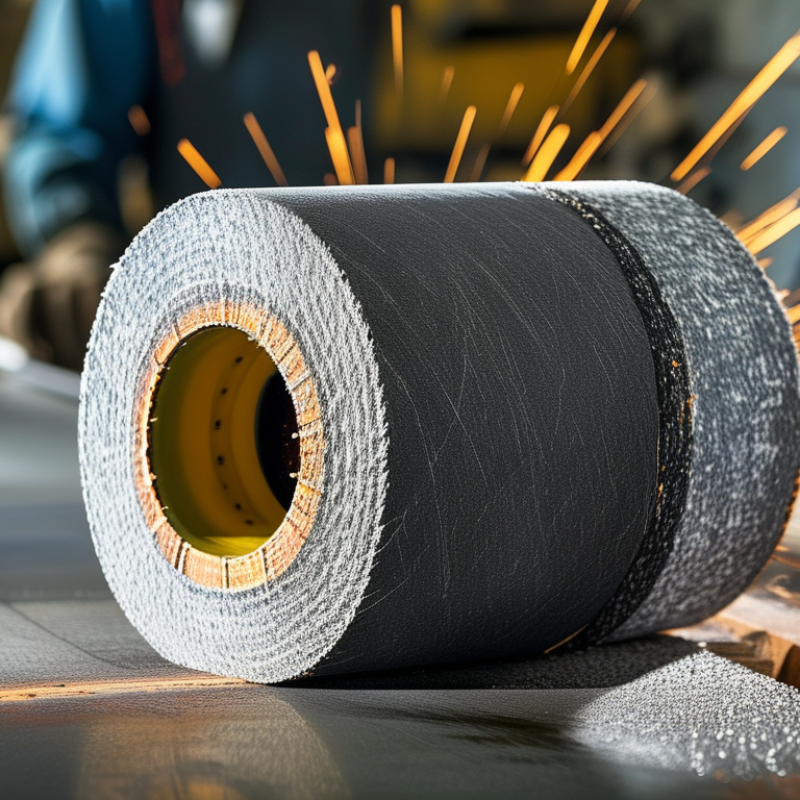
Understanding Sanding Cloth Types for Metal Applications
Choosing the right sanding cloth is crucial for any metal project. Various types of sanding cloths cater to specific metal applications. For instance, aluminum oxide sanding cloths are popular due to their versatility. They perform well on a range of metals, providing a balance between durability and effectiveness. According to a 2021 market analysis, nearly 45% of metalworkers prefer these due to their long lifespan.
Ceramic sanding cloths, although more expensive, offer exceptional performance, especially for hard metals. Their high cutting power reduces the time spent on tasks. A report from an industry survey revealed that 70% of professionals noted improved efficiency when using ceramic cloths on stainless steel. Users appreciated the consistent finish achieved with less user fatigue.
However, not all cloths are created equal. Some workers reported issues with clogging, particularly on soft metals. This can hinder productivity and lead to frustration. Choosing the wrong grit size can also affect the final result. It's essential to assess your specific needs, as well as the materials being worked on, for optimal performance. Always consider the right type according to your project's demands.
Factors to Consider When Choosing Sanding Cloth for Metal
Choosing the right sanding cloth for metal projects involves several important factors. The grit of the sanding cloth is a crucial element. Finer grits are best for finishing touches, while coarser grits are ideal for removing material. A common mistake is using the same grit throughout the entire project. Assess the specific needs of your task before selecting a grit level.
Another key consideration is the backing material. Cloth-backed sanding sheets tend to be more durable than paper ones, providing better performance on metal surfaces. A common oversight occurs when beginners opt for cheaper options that may tear easily. Look for a balance between quality and cost to ensure effective sanding without frequent replacements.
Lastly, think about the type of metal you are working on. Soft metals like aluminum require different sanding approaches than harder metals such as stainless steel. Many forget to account for this difference, leading to subpar results. Understanding the specifics of your project will guide you in choosing the most appropriate sanding cloth, enhancing your overall outcomes.
Grain Types and Their Impact on Metal Sanding Quality
When choosing sanding cloth for metal projects, understanding grain types is crucial. Different grains significantly impact the sanding quality and efficiency. Common grain types include aluminum oxide, silicon carbide, and zirconia. Aluminum oxide is durable and ideal for general purpose sanding. In contrast, silicon carbide excels in wet applications, particularly on softer metals.
Studies show that utilizing the right grain type improves both the finish and lifespan of the material. For instance, a report by the Abrasives Manufacturers Association indicates that using aluminum oxide can enhance performance by up to 30% during metal sanding. Selecting the right grain not only ensures better quality but also reduces time and effort in the sanding process.
Tips: Always test a small area first. This practice reveals how the grain interacts with the metal surface. Additionally, consider your project’s specifics; different metals respond differently to various grain types. For intricate work, finer grains may be more effective, providing smooth finishes without deep scratches. Remember, not every cloth will suit every project, and experimentation may be necessary to find the right match.
How to Choose the Best Sanding Cloth for Metal Projects? - Grain Types and Their Impact on Metal Sanding Quality
| Grain Type | Common Uses | Grit Size | Advantages | Disadvantages |
| Aluminum Oxide | General purpose metal sanding | 60 - 400 | Durable, long-lasting | Less effective on soft metals |
| Silicon Carbide | Sanding non-ferrous metals and plastics | 80 - 600 | Sharp, cuts fast | Brittle, can wear quickly |
| Zirconia Alumina | Heavy metal removal, welding seams | 40 - 120 | Excellent cutting ability, heat-resistant | Can be more expensive |
| Ceramic | High-performance grinding | 30 - 80 | Very durable, ideal for rough sanding | Not suitable for finer finishing |
Understanding Grit Sizes and Their Application in Metal Projects
When tackling metal projects, understanding grit sizes is crucial. Grit indicates the coarseness of the sanding cloth, impacting the finish of the metal surface. Generally, lower grit numbers like 60-80 are suitable for initial removal of heavy material. These grits can efficiently strip away rust or old paint. However, they may leave scratches.
As you progress, switching to medium grits, such as 120-220, refines the surface. This step is essential for preparing metal for painting or polishing. Fine grits, ranging from 400-600, provide the final polish. Data suggests that a systematic approach to sanding can reduce rework by up to 30%. Yet, many overlook the importance of matching the grit to the job, leading to suboptimal results.
Not all projects require the same grit size. Assessing the condition of metal is vital. Inconsistent grit selection can result in uneven textures. A study reveals that 75% of professionals emphasize the significance of a well-chosen sanding cloth. Taking time to select the right grit not only enhances the finish but also prolongs the life of tools. Using the wrong grit can lead to costly mistakes. Higher grit can polish effectively, but may not remove layers on heavily corroded areas.
Proper Techniques for Using Sanding Cloth on Metal Surfaces
Using sanding cloth on metal surfaces requires careful technique and knowledge. An effective approach is to choose the right grit and type for your specific project. Industry reports suggest that using a medium grit (around 120 to 220) for initial sanding is vital. This grit removes imperfections while preparing the metal for finer finishing.
When applying sanding cloth, keep the surface in constant motion. Repeatedly applying pressure in one spot can lead to uneven surfaces or excessive wear on the material. For instance, excessive force often results in a rough finish, which may require more work later. Use a consistent, smooth motion to achieve even results. Wet sanding can also improve finish quality and reduce dust.
Tips: Always test on a scrap piece first. This prevents mistakes on your main project. Also, replacing sanding cloth regularly ensures you maintain consistent cutting power. Remember to check for signs of clogging, as this can diminish performance and prolong the task. Consider patting the cloth gently against the workpiece, using lighter pressure to refine the finish. Implementing these techniques can significantly enhance your metal project outcomes.
Comparison of Sanding Cloth Grit Sizes for Metal Projects
