How to Choose the Best Illuminated Tact Switch for Your Project?
In recent years, the demand for Illuminated Tact Switches has surged, driven by advancements in technology and user preferences. According to a report by MarketsandMarkets, the global market for illuminated switches is expected to reach approximately $2 billion by 2025, reflecting a compound annual growth rate of 6.4%. This growth highlights the critical role illuminated tact switches play in electronic devices, enhancing both functionality and user experience.
Choosing the best illuminated tact switch for your project involves understanding the specific requirements of your application. A well-designed illuminated tact switch should provide not only visual feedback but also tactile confirmation to users. Factors like size, durability, and LED color options must be carefully considered. These elements can significantly impact overall user satisfaction.
Despite their advantages, illuminated tact switches come with challenges. Finding the right balance between brightness and power consumption is crucial. Additionally, compatibility issues with different circuit designs can arise. It's essential to conduct thorough research and testing to ensure the selected illuminated tact switch meets all project needs effectively.
Understanding Illuminated Tact Switches and Their Applications
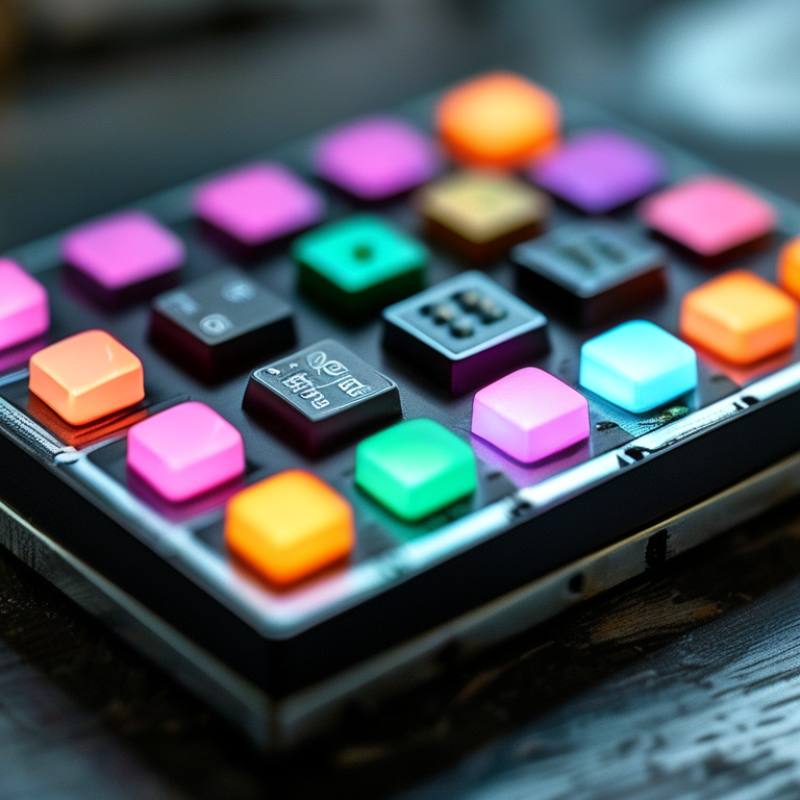
Illuminated tact switches have gained popularity in various applications due to their versatility and ease of use. These switches provide a visual indicator, often in different colors, which can enhance user experience. They are widely used in consumer electronics, automotive controls, and even in gaming devices. Users appreciate the feedback they receive from these tactile switches, as it confirms that an action has been registered.
When considering illuminated tact switches, it’s essential to evaluate their specifications. Look into the size, voltage rating, and illumination type. Some switches use LED lights, while others may employ different light sources. The choice of color can also impact usability. For instance, red might indicate an alert, while green could signal a safe operational state. However, the brightness can vary widely, which might not suit every application.
It's also important to think about the overall design of your project. While illuminated switches are functional, they should integrate smoothly into your device. An overly bright switch may be distracting or perceived as cheap, while a dimly lit switch might fail to attract attention. Testing multiple options is often necessary to find the best fit for your needs. This can be a lengthy process but can yield rewarding results that enhance your project’s functionality and appeal.
Illuminated Tact Switches: Popular Types and Their Applications
Key Specifications to Consider When Choosing Tact Switches
Choosing the right illuminated tact switch is crucial for your project. Several key specifications should guide your selection process. First, consider the switch size. The dimensions influence how easy it is to integrate into your device. Compact designs may fit better into smaller setups, while larger switches often provide a more robust feel.
Next, think about the actuation force. This parameter determines how much pressure is needed to activate the switch. A switch with a lighter actuation force may suit applications requiring quick responses. However, it can be too sensitive for some uses. The feedback type—audible click or silent operation—also impacts user experience.
Another aspect to consider is illumination. Color and brightness affect visibility and engagement. Multiple colors can indicate different functions or statuses, enhancing user interaction. However, lighting options may have varying power requirements. Finally, examine durability ratings. Switches with higher ratings tend to last longer under physical stress. Balancing these specifications can be challenging. It requires evaluating your project's specific needs alongside the switch capabilities.
How to Choose the Best Illuminated Tact Switch for Your Project? - Key Specifications to Consider When Choosing Tact Switches
| Specification | Description | Value |
| Switch Type | Momentary or Toggle | Momentary |
| Actuation Force | Force required to actuate the switch | 120g ± 20g |
| Travel Distance | Distance the button travels during actuation | 0.25mm |
| Operating Temperature | Temperature range for optimal performance | -20°C to +85°C |
| LED Voltage | Voltage required for LED illumination | 5V |
| Lifespan | Number of cycles before fail | 1,000,000 cycles |
| Mounting Type | Type of mounting for installation | Through-hole |
Types of Illumination for Tact Switches: Pros and Cons
Illuminated tact switches come in various types, each offering unique benefits and drawbacks. One common illumination type is LED backlighting. This method provides excellent visibility, especially in low-light conditions. LEDs are energy-efficient and long-lasting, which makes them a popular choice. According to industry reports, LED backlit switches can last over 50,000 hours. However, they can sometimes be overly bright, which may distract users.
Another illumination option is electroluminescent (EL) lighting. EL switches produce a soft, uniform glow. This feature enhances aesthetics while minimizing strain on the eyes. The glow can be customizable, allowing projects to match specific designs. However, EL lighting has shorter lifespans, typically around 10,000 to 25,000 hours, which can necessitate earlier replacements.
Finally, fiber optic illumination is worth mentioning. This method allows for intricate and colorful designs. Fiber optics can bring a high level of creativity to projects. However, they are complex and may require additional components, increasing overall project costs. Careful assessment of illumination options is vital; each type has trade-offs that could impact both functionality and design.
Evaluating Build Quality and Durability in Tact Switches
When selecting illuminated tact switches, evaluating build quality and durability becomes essential. A study by an industry group highlights that over 30% of switch failures are due to manufacturing defects. Therefore, understanding the materials used is crucial. High-quality switches often use polyamide or other durable plastics, which enhance resistance to wear and tear. Metal contacts are commonly found in robust models, contributing to better longevity under repeated use.
In addition to material analysis, testing methods play a significant role in determining switch reliability. Independent reports show that switches rated for 50,000 cycles often fail before reaching that benchmark due to poor construction. Engaging with user reviews can also reflect on long-term durability far better than technical specifications. Compromises in design, such as a loose fit between components, may lead to early failure. Thus, examining user feedback can help identify potential weaknesses in a switch's build quality.
Tips for Integrating Illuminated Tact Switches into Your Project
Integrating illuminated tact switches into your projects can enhance functionality and user experience. These components provide visual feedback, making devices easier to use in low-light conditions. According to a 2022 industry report, illuminated tactile switches can improve user interaction by up to 30%. This boost can significantly impact the usability of electronic devices.
When selecting illuminated tact switches, consider their size, light intensity, and actuation force. The size should fit the design specifications of your project. A common mistake is underestimating the required light intensity. It's crucial to test how bright the switch should be. Users may prefer soft lighting in some applications. Personal preferences can vary widely.
Tip: Ensure that your design allows for easy access to the switch. Consider placement and orientation. Users should not struggle to reach illuminated controls. Another tip is to prototype with different switch models. This experimentation can reveal design flaws before final production. By taking time to test, you might uncover new opportunities for improvement.
