Why Choose a Bent-axis Motor for Your Applications?
In an ever-evolving industrial landscape, the choice of motor technology is critical. Experts consistently highlight the advantages of a Bent-axis Motor for various applications. John McKenzie, a renowned motor technology expert, emphasizes, "Bent-axis Motors offer efficiency and precision unmatched by other designs."
Bent-axis Motors provide remarkable torque and efficiency, making them a popular choice in demanding environments. These motors excel in applications requiring compact designs and high performance. Their unique architecture minimizes losses and enhances overall functionality. For instance, they allow for excellent power density, making them perfect for mobile machinery.
However, the selection process is not without challenges. The integration of Bent-axis Motors necessitates a deep understanding of specific application needs. Users must evaluate their system's requirements carefully. Moreover, potential downsides, such as initial costs and complexity, should not be overlooked. Therefore, balanced consideration is essential, as the right choice impacts overall operational efficiency.
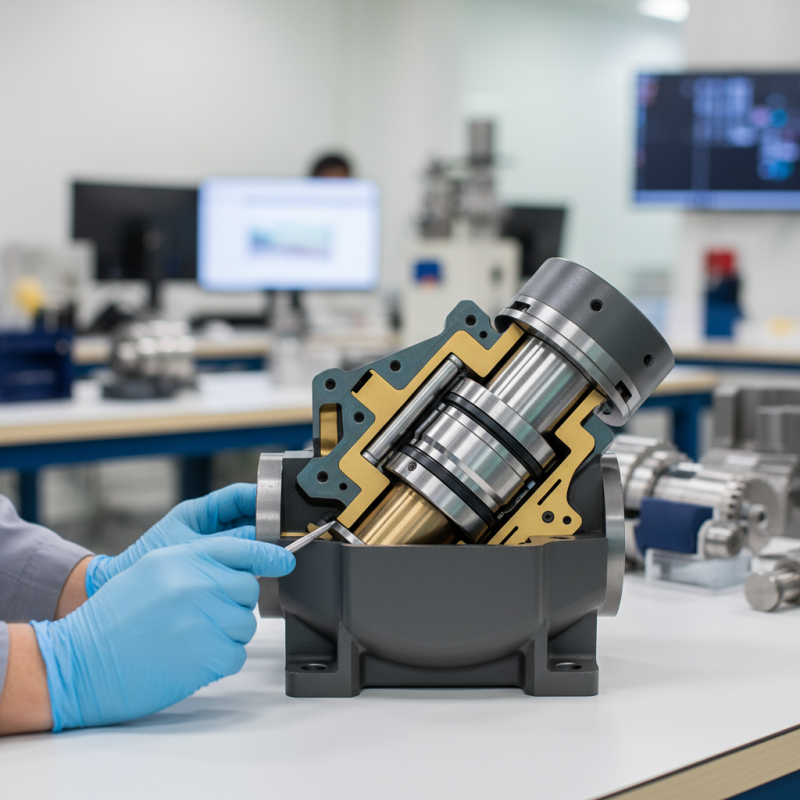
Understanding Bent-axis Motors and Their Functionality
Bent-axis motors are unique in their design and functionality. They feature a shaft that is inclined from the hydraulic axis. This design allows for high torque and efficiency. These motors are widely used in various applications, such as construction and agriculture. Their compact size makes them easy to integrate into existing machinery.
When selecting a bent-axis motor, consider the duty cycle. Are you using it for continuous operation or intermittent tasks? This can affect the motor’s lifespan and performance. Pay attention to noise levels as well. Some bent-axis motors can be noisier than others. Don't overlook these details in your decision-making process.
Tips: Always check the hydraulic fluid compatibility for better performance. Be aware of the temperature limits; overheating can lead to failures. Understand your system’s hydraulic needs before purchasing any motor. An informed choice can save time and money in the long run.
Key Advantages of Bent-axis Motors Over Other Motor Types
Bent-axis motors have unique advantages that make them a preferred choice in various applications. One of their standout features is efficiency. According to a recent industry report, bent-axis motors operate at efficiencies of 90% or higher under typical conditions. This efficiency translates to less energy consumption, making them more environmentally friendly and cost-effective.
Another significant advantage is their compact design. Bent-axis motors typically have a smaller footprint compared to other motor types, which allows for easy integration in tight spaces. Many users appreciate this trait when designing machinery. In fact, a study found that manufacturers who switched to bent-axis motors reduced installation space by 30% on average.
However, it’s essential to consider some drawbacks. For instance, bent-axis motors may require precise alignment. Misalignment can lead to premature wear or performance issues. Users need to invest time in proper installation and maintenance. This aspect often gets overlooked. Balancing the benefits against potential alignment challenges is crucial for long-term success in applications.
Why Choose a Bent-axis Motor for Your Applications? - Key Advantages of Bent-axis Motors Over Other Motor Types
| Feature | Bent-axis Motor | Radial Piston Motor | Axial Piston Motor |
| Efficiency | High efficiency at varying speeds | Moderate efficiency | High efficiency but limited to higher speeds |
| Torque Density | Very high torque density | Lower torque density | Medium torque density |
| Size/Weight | Compact and lightweight | Larger and heavier | Size depends on design |
| Maintenance | Low maintenance | Requires regular maintenance | Moderate maintenance requirements |
| Operational Range | Wide operational range | Narrow operational range | Variable operational range |
| Response Time | Fast response time | Slower response time | Moderate response time |
Common Applications Utilising Bent-axis Motors
Bent-axis motors are increasingly popular in various applications due to their unique advantages. These motors excel in high-torque, low-speed environments. They are often used in mobile machinery, like excavators and cranes. Their design enables efficient power transmission, making them ideal for heavy-duty tasks.
Another common application is in industrial automation. Bent-axis motors provide precise motion control, which is crucial in assembly lines. They can enhance the speed and accuracy of robotic systems. However, users should be cautious about the potential for overheating during prolonged use. Regular maintenance is essential to prevent failures.
In the agricultural sector, bent-axis motors are found in equipment such as harvesters. Their robustness allows for reliable performance in tough conditions. Yet, not all scenarios suit bent-axis designs. Evaluating specific needs is vital before choosing this type of motor. Balancing advantages with potential drawbacks is important for optimal outcomes.
Factors to Consider When Selecting a Bent-axis Motor
When selecting a bent-axis motor, several factors are crucial. First, consider the application requirements. A bent-axis motor is often ideal for high-performance systems. Think about the torque and speed needed. Different motors suit diverse tasks. Matching these specs is vital for efficiency.
Next, pay attention to the installation space. Bent-axis motors can be more compact than traditional designs. This can save valuable space in machinery. However, ensure that the motor's dimensions fit your system perfectly. Overlooking this may lead to costly adjustments later on.
Lastly, reflect on maintenance needs. Bent-axis motors often require less upkeep than other types. However, some designs may present challenges in accessibility. Choosing a motor with a balance between performance and serviceability is critical. It’s good to weigh the pros and cons carefully.
Maintenance and Performance Optimization for Bent-axis Motors
Bent-axis motors have gained popularity due to their efficiency and performance. However, proper maintenance is crucial for optimal functioning. Regular checks can prevent unexpected failures. Many users overlook the importance of routine inspections. A small oversight can lead to bigger issues later on.
Tips: Create a checklist for maintenance. Include fluid levels, connection tightness, and noise levels. Regularly updating this list can help keep performance in check. Also, don’t forget to monitor temperature variations. Excess heat can indicate underlying problems.
Additionally, optimizing performance involves adjusting operational parameters. Ensure alignment is correct to minimize wear. It’s important to understand the load requirements for your application. Balancing load can enhance the lifespan of the motor. Evaluate the environment as well. Dust and debris can hinder efficiency.
Tips: Use protective covers and filtration systems. These simple additions can significantly improve motor longevity. Remember, every detail matters in enhancing performance. Regular analysis can save time and costs down the line. Be proactive, and your motor will thank you.
