2026 Best Transformer Substation Solutions for Global Buyers?
In the evolving landscape of electrical infrastructure, Transformer Substations play a pivotal role in energy distribution. Renowned expert Dr. Emily Roberts, a leading engineer in the power sector, emphasizes, "The reliability of our electric grid hinges on efficient Transformer Substation design." Her insights stress the importance of innovative solutions for global buyers looking to enhance their energy networks.
As the demand for electricity surges globally, so does the need for advanced Transformer Substation technologies. Modern substations must adapt to changing energy demands while ensuring safety and efficiency. The right solutions can minimize outages and enhance service continuity. Yet, challenges persist, including the integration of renewable energy sources.
Buyers should focus on scalability and adaptability in Transformer Substation designs. Not every solution fits all contexts, and a one-size-fits-all approach may not yield results. By considering unique regional requirements and technological advancements, stakeholders can create resilient and sustainable energy architectures.
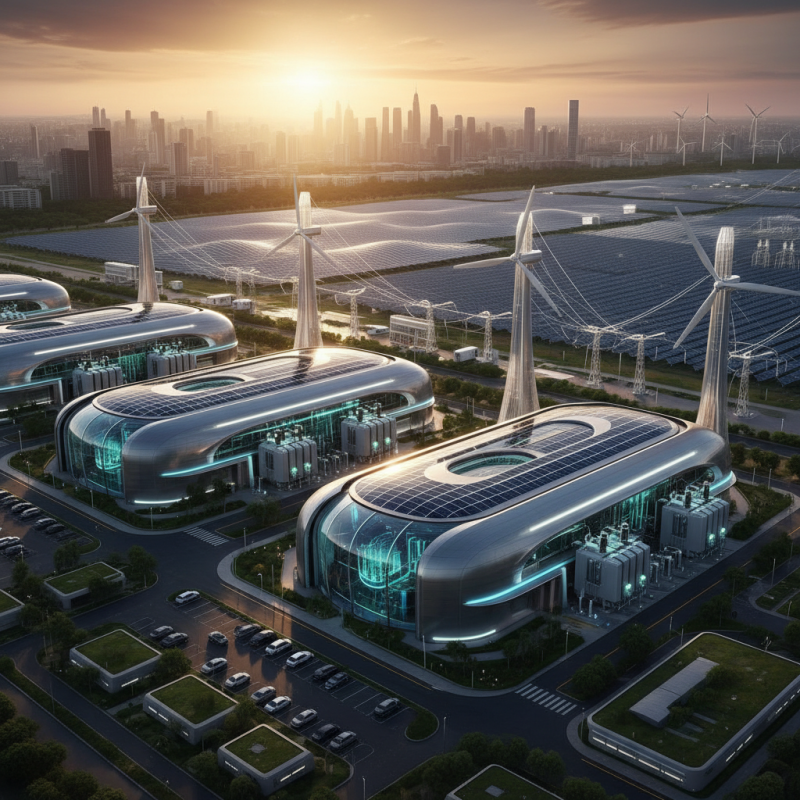
Overview of Transformer Substations: Importance and Applications
Transformer substations play a crucial role in modern power distribution systems. They help regulate voltage levels, ensuring electricity flows efficiently from power plants to homes and businesses. The need for reliable energy transmission means that these facilities are often under significant pressure to perform optimally.
Tip: Regular maintenance is key. Inspect electrical connections and cooling systems to prevent outages. Neglecting these elements can lead to costly downtimes.
Applications of transformer substations span various sectors. They are vital in industrial settings, supporting heavy machinery. In urban areas, they help manage the fluctuating demand for electricity. Without them, we could face serious disruptions in power supply.
Tip: When planning for new projects, consider location. Accessibility for maintenance is as important as the technical specifications. If it’s hard to reach, issues may go unaddressed.
The importance of transformer substations cannot be understated. As our reliance on electricity grows, so does the complexity of these systems. Balancing performance with safety requires ongoing evaluation and improvements. This reveals the need for professionals in the field to stay updated on best practices and emerging technologies.
Key Features to Consider When Selecting Substation Solutions
When selecting transformer substation solutions, consider several key features. The efficiency of energy conversion is crucial. High-efficiency transformers reduce energy loss and operating costs. This has a direct impact on overall performance. Look for solutions that offer advanced cooling systems. Effective cooling enhances reliability and longevity.
Safety features cannot be overlooked. Modern substations should comply with international safety standards. Adequate protective measures ensure both personnel and equipment are safeguarded. Think about the layout and maintenance access too. A well-designed substation allows easy inspections and repairs. This can save time and reduce downtime.
It's important to assess the adaptability of the system. As energy demands shift, flexibility in scaling capacity is vital. Some solutions may lack this versatility, leading to future challenges. Researching industry trends can provide insights into innovative options available. However, not all new technology proves reliable. Investigate real-world performance before making a decision.
2026 Best Transformer Substation Solutions for Global Buyers
| Key Features | Specifications | Benefits | Recommended Applications |
| High Efficiency Transformers | Up to 99.5% efficiency | Reduced energy losses | Renewable energy integration |
| Modular Design | Scalable up to 500 MVA | Flexible installation | Smart grid deployment |
| Smart Monitoring Systems | Real-time data analytics | Enhanced reliability | Urban electrical networks |
| Eco-friendly Materials | Bio-degradable insulations | Sustainability | Greenfield projects |
| Compact Design | Reduced footprint | Space-saving installation | Suburban areas |
Top Transformer Technologies: Innovations in 2026
The landscape of transformer technologies is rapidly evolving, driven by innovations anticipated for 2026. Key advancements focus on improving efficiency and sustainability. The International Energy Agency reported that energy losses in transformers account for approximately 2-3% of global electricity consumption. Addressing this issue is imperative as demand for electricity continues to rise.
Innovative solutions include the development of high-temperature superconducting transformers. These can increase efficiency significantly while reducing greenhouse gas emissions. Recent studies suggest that such technologies could lower energy losses to less than 1%. However, the high costs and complex manufacturing processes demand careful consideration.
Another emerging technology is the integration of digital twins in transformer substation management. This offers real-time monitoring and predictive maintenance capabilities. Studies indicate that using digital twins can reduce operational costs by as much as 30%. Despite the benefits, the need for skilled personnel to manage these systems remains a challenge. Embracing these innovations requires strategic planning and investment in training.
Comparative Analysis of Global Transformer Substation Providers
As the global demand for energy increases, transformer substations are vital. Various providers offer different solutions for these infrastructures. A strong provider must demonstrate expertise in designing and implementing reliable systems. They should also have extensive experience in the field. Understanding local regulations is crucial in delivering compliant solutions.
When comparing global providers, it is critical to analyze their technology and service options. Some manufacturers focus on advanced smart technologies. Others may prioritize cost-effectiveness. Performance metrics should include reliability, efficiency, and ease of maintenance. Buyers need to weigh short-term costs against long-term benefits. It is essential to examine installation timeframes and support services provided post-purchase.
While many companies promise high-quality solutions, not all deliver. Some may lack transparency, leaving buyers uncertain about various aspects of the service. Conducting thorough research is essential. Buyer testimonials can provide insight into real-world performance. This ensures informed decisions and fosters better outcomes in procurement processes. Engaging with multiple providers creates opportunities for negotiation and ultimately leads to better solutions.
2026 Best Transformer Substation Solutions for Global Buyers
This chart presents a comparative analysis of various transformer substation solutions based on their efficiency, reliability, and cost-effectiveness. The data is essential for global buyers looking to make informed decisions.
Future Trends in Transformer Substation Solutions for Buyers
The future of transformer substation solutions is evolving rapidly. This shift is driven by technological advancements and the demand for efficiency. Innovations in digital monitoring can enhance system reliability. Advanced analytics provide real-time insights into the performance of substations. This data-driven approach helps in decision-making, reducing downtime.
Sustainability is a crucial trend to consider. Eco-friendly materials are increasingly being integrated into substation design. Buyers will look for solutions that meet environmental standards. Energy-efficient transformers not only reduce operational costs but also contribute to lower carbon footprints. There's a growing need for modular designs, which offer flexibility and scalability.
Challenges remain, such as integrating new technologies with existing infrastructure. Upgrading older substations can be costly and complex. As buyers evaluate their options, they must consider long-term viability against initial investment. The path ahead requires careful planning and foresight. The push for modernization must balance practicality with innovation.
